
Plants
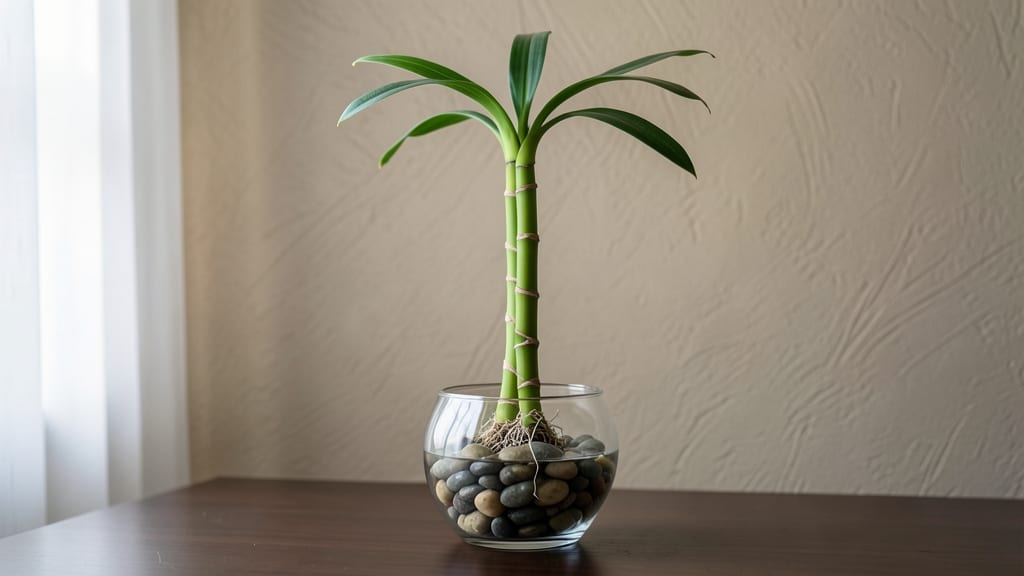
If you're wondering how tall a bamboo plant can grow, prepare to be amazed—some varieties shoot up faster than a rocket and can reach heights that dwarf even the tallest trees in your neighborhood. 🌿 This isn't just a garden plant; it's a living skyscraper that can transform your outdoor space in just a few years, with certain species hitting 60 feet or more under ideal conditions.
But here's the catch: not all bamboo is created equal. The fastest-growing varieties, like Phyllostachys bambusoides, can add 3 feet per year or more, while others stay compact and manageable.
Whether you're dreaming of a lush privacy screen or just want to add height to your garden, understanding the growth potential of different bamboo types is the key to making it work for your space.
Let me break down exactly which species shoot up the fastest, how to choose the right one for your yard, and the simple (but crucial) steps to keep it from taking over. You'll discover how to harness bamboo's incredible growth without losing control—because yes, even towering giants can be tamed.
Ready to turn your garden into a vertical jungle? I'll show you how to pick the perfect variety, plant it for maximum growth, and manage its height so it stays stunning without becoming a nuisance. Let's get started!


Bamboo growth heights: fastest-growing species and their maximum heights
When I first planted bamboo in my backyard, I had no idea it would grow so fast—or so tall! Some species can shoot up 3 feet in a single growing season, and mature heights can range from 5 feet to over 100 feet, depending on the variety.
Understanding these differences is key to choosing the right bamboo for your space and managing expectations.
Bamboo falls into two main categories: running bamboo and clumping bamboo. Running bamboo spreads aggressively via underground runners, often reaching 30 to 100 feet tall, while clumping bamboo grows in tight clusters and typically stays between 10 to 30 feet tall.
The species you pick will determine whether you’re dealing with a manageable shrub or a towering giant.
Here’s a quick look at the fastest-growing bamboo species and their maximum heights, so you can plan your garden accordingly:
| Species | Type | Max Height | Growth Rate | Notes |
|---|---|---|---|---|
| Phyllostachys bambusoides (Moso Bamboo) | Running | 60-100 ft | 3-5 ft/year | Fastest-growing; needs containment |
| Dendrocalamus asper (Giant Bamboo) | Running | 50-80 ft | 2-4 ft/year | Tropical; thrives in warm climates |
| Bambusa multiplex (Thicket Bamboo) | Clumping | 20-30 ft | 1-2 ft/year | Cold-hardy; great for privacy screens |
| Fargesia robusta (Robust Bamboo) | Clumping | 10-15 ft | 6-12 inches/year | Dwarf variety; ideal for small gardens |
| Phyllostachys aureosulcata (Yellow Groove Bamboo) | Running | 30-40 ft | 2-3 ft/year | Striking yellow stripes; invasive if unchecked |
The Phyllostachys bambusoides, or Moso bamboo, holds the record for the tallest bamboo species, often surpassing 100 feet in ideal conditions. This is the type you’ll find in massive bamboo forests in Asia, where it grows unchecked.
If you’re looking for something more manageable, clumping bamboo like Fargesia stays compact and is perfect for urban gardens or containers.
One common misconception is that all bamboo grows at the same rate. In reality, running bamboo can spread 6-12 feet per year if left unchecked, while clumping varieties grow much slower and stay in place.
This makes clumping bamboo a safer bet for smaller spaces, though it may never reach the same dramatic heights as its running counterparts.
For those who love the idea of a towering bamboo grove but lack the space, consider dwarf varieties like Fargesia nitida, which max out at 6-8 feet tall. These still offer the lush, bamboo aesthetic without the risk of overgrowth.
I planted Fargesia robusta in my front yard, and it’s now a stunning 12-foot privacy screen—without taking over my garden!
If you’re planning to grow bamboo for privacy or windbreaks, aim for species that reach 15-20 feet tall, like Bambusa multiplex. These provide ample coverage without the maintenance headaches of giant varieties.
Just be sure to check local regulations, as some areas restrict bamboo planting due to its invasive potential.
For the adventurous gardener, Phyllostachys vivax is another fast grower, reaching 40-50 feet tall in just a few years. It’s stunning but requires aggressive containment strategies if you want to keep it from spreading uncontrollably.
I’ve seen it transform a dull backyard into a lush, tropical oasis—just be prepared for the work!
Remember, bamboo’s height isn’t just about the species—soil quality, sunlight, and water play huge roles. Well-draining soil rich in organic matter and 6+ hours of sunlight daily will encourage faster, healthier growth.
If your bamboo starts leaning or growing slowly, it might be getting too much shade or struggling with poor soil.
Before you plant, measure your space and research local climate zones. Some bamboo species, like Dendrocalamus asper
How to choose bamboo for your space: small yards vs. large landscapes
Choosing the right bamboo species for your space is critical—some varieties can grow taller than a three-story building, while others stay compact enough for containers.
If you have a small urban yard, dwarf or clumping bamboo is your best bet, while larger properties can accommodate tall running bamboo for dramatic privacy screens.
Start by measuring your space and understanding your zoning laws. Some areas restrict running bamboo due to its invasive nature. For containers or small gardens, opt for varieties like Bambusa multiplex (under 10 feet) or Fargesia denudata, which rarely exceed 6 feet.
These are perfect for patios or balconies.
For medium-sized yards (10-20 feet wide), consider semi-dwarf species such as Phyllostachys aureosulcata or Bambusa oldhamii. These provide height without overwhelming your landscape. Plant them 10-15 feet apart to allow airflow and prevent crowding.
If you have a large landscape (30+ feet wide), giant bamboo like Phyllostachys bambusoides or Dendrocalamus asper will thrive. These can reach 60-100 feet tall and are ideal for creating natural privacy barriers. However, install a root barrier at least 3 feet deep to contain their spread.
| Space Type | Recommended Bamboo | Max Height | Planting Distance |
|---|---|---|---|
| Small Yard/Containers | Bambusa multiplex, Fargesia denudata | 5-10 ft | 3-5 ft apart |
| Medium Yard | Phyllostachys aureosulcata, Bambusa oldhamii | 10-20 ft | 10-15 ft apart |
| Large Landscape | Phyllostachys bambusoides, Dendrocalamus asper | 60-100 ft | 20-30 ft apart (with barriers) |
Always check the growth rate of your chosen species. Some bamboo can grow up to 3 feet per year, while others grow just a few inches annually. For example, Fargesia species are slow-growing, making them ideal for low-maintenance gardens.
Consider your climate zone too—tropical bamboo like Dendrocalamus thrives in warm areas, while hardy bamboo such as Phyllostachys can survive USDA Zone 5 winters. Always match your bamboo to your local conditions for the best results.
Finally, think about aesthetic goals. If you want a lush, tropical look, taller bamboo is ideal. For a minimalist or modern garden, dwarf varieties with slender canes create elegant lines without overwhelming the space.