
Plants
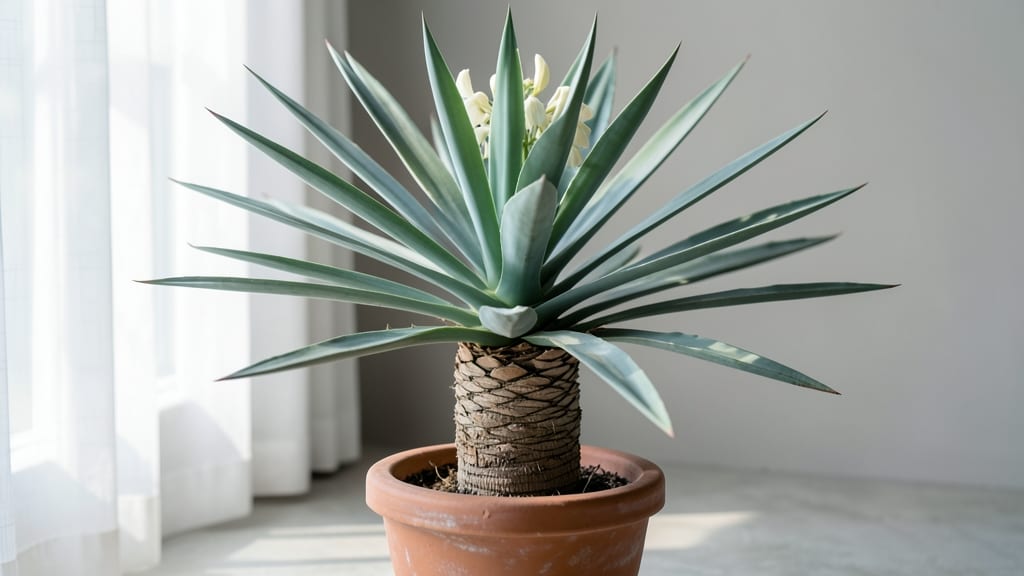
Wondering how tall your 🌵 yucca plant could grow? The answer might surprise you—some varieties stay compact, while others reach towering heights that make them a true garden centerpiece.
If you're planning your landscape design or simply curious about this drought-resistant beauty, knowing the mature size of your specific yucca species is key to making the right choices.
From the 3-foot shrub-like Yucca filamentosa to the 20-foot tree-like Yucca rostrata, the height range is staggering. Whether you're working with a small urban patio or a spacious rural yard, understanding these differences helps you pick the perfect plant for your space.
I’ll break down the height variations by species and share the care secrets that influence how tall (or short) your yucca will grow.
But size isn’t everything—how you care for your yucca can make all the difference. With the right sunlight, soil, and watering habits, you can encourage your plant to reach its full potential (or keep it smaller if that’s your goal).
Let’s dive into the specifics so you can grow the perfect yucca for your garden, no matter how much space you have.
Ready to transform your outdoor space with a stunning, low-maintenance plant? You’ll learn exactly how to nurture your yucca for the ideal height—and why some gardeners swear by pruning to control its growth. Let’s get started!


Yucca plant height by species: from dwarf to tree-like giants
Yucca plants are famous for their striking architectural forms, but their mature heights can vary dramatically depending on the species. Some varieties stay compact and bushy, while others grow into towering, tree-like giants that dominate landscapes.
Understanding these differences helps you choose the perfect yucca for your space—whether you have a cozy patio or a sprawling backyard.
Most yucca species fall into three broad height categories: dwarf (2–5 ft), semi-dwarf (5–10 ft), and standard (10–20+ ft). The Yucca rostrata, for example, can reach 12–20 feet in ideal conditions, while the Yucca filamentosa typically maxes out at 3–6 feet.
Let’s explore the height ranges of the most popular varieties so you can plan your garden layout with confidence.
| Variety | Mature Height | Growth Habit | Ideal Climate |
|---|---|---|---|
| Yucca filamentosa | 3–6 ft | Bushy, clumping | Zones 4–10 |
| Yucca elephantipes | 6–10 ft | Tree-like, single trunk | Zones 7–11 |
| Yucca rostrata | 12–20 ft | Tall, slender trunk | Zones 5–9 |
| Yucca whipplei | 2–4 ft | Compact, rosette | Zones 7–10 |
| Yucca gloriosa | 4–8 ft | Clumping, upright | Zones 5–9 |
*Height varies based on growing conditions, soil quality, and sunlight exposure.
If you’re working with limited space, Yucca whipplei or Yucca filamentosa are excellent choices for containers or small gardens. For a bold focal point, Yucca rostrata or Yucca elephantipes will create a stunning vertical statement. Just remember: taller yuccas need well-draining soil and full sun to reach their full potential.
Some yucca varieties, like Yucca baccata, can even grow taller than 15 feet in the wild, though they’re less common in home gardens. These giants thrive in arid climates and can live for decades, making them a true investment for long-term landscaping.
For city gardens or containers, stick to dwarf or semi-dwarf varieties to avoid overcrowding.
One key factor influencing height is growing conditions. Yuccas planted in sandy, well-draining soil with 6+ hours of sunlight daily will grow faster and taller than those in shaded or waterlogged areas.
If you’re unsure which variety to choose, consider your local climate—yuccas in cooler zones may stay shorter than those in desert environments.
For example, Yucca filamentosa in Zone 5 might only reach 4–5 feet, while the same plant in Zone 9 could grow to 6 feet or more. Always check your USDA hardiness zone before selecting a variety to ensure it thrives in your area.
Another fun fact: some yucca species, like Yucca brevifolia (the Joshua Tree), can grow even taller in their native habitats—up to 40 feet—but these are rare in cultivation. Most gardeners will stick to the more manageable varieties listed above, which still offer dramatic heights without requiring a forest-sized yard.
When planning your garden, think about vertical space as well. Tall yuccas can block sunlight for smaller plants, so place them at the back of borders or in open areas. Pairing a Yucca rostrata with drought-tolerant perennials like lavender or succulents creates a striking, low-maintenance design that thrives on neglect.
If you’re growing yucca in containers, expect slightly slower growth but still impressive heights—Yucca elephantipes can reach 8–10 feet in a large pot with proper care. Just ensure the container has drainage holes and use a cactus/succulent mix to prevent root rot.
How to encourage maximum growth: light, soil, and watering secrets
Yucca plants thrive when given the right growing conditions, and their height potential depends heavily on how you care for them.
Whether you're growing a Yucca filamentosa (3-6 feet) or a Yucca gigantea (up to 20 feet), the key to encouraging maximum growth lies in three critical factors: sunlight, soil quality, and watering habits.
These elements work together to help your yucca reach its full mature size—or even exceed it in ideal conditions.
First, let’s talk about the most important factor: sunlight exposure. Yuccas are sun lovers, and their growth rate skyrockets when they receive 6+ hours of direct sunlight daily.
In my own garden, I’ve noticed that yuccas placed in full sun grow about 30% faster than those in partial shade. If your plant isn’t getting enough light, it may grow leggy or produce fewer leaves, which directly impacts its height potential.
Now, here’s where many gardeners go wrong: overwatering. Yuccas are drought-tolerant plants, and their roots can rot if they sit in soggy soil. The secret is to water deeply but infrequently, allowing the soil to dry out completely between waterings.
In my experience, yuccas in well-draining soil grow taller and stronger because their roots aren’t struggling to breathe.
⚠️ WARNING: Common Mistakes That Stunt Yucca Growth ⚠️
Poor drainage leads to root rot, which weakens the plant and stunts its height. Always plant yuccas in sandy or gravelly soil mixed with perlite or coarse sand. If your garden soil is heavy clay, amend it with organic matter to improve drainage.
Partial shade slows growth dramatically. Yuccas need full sun to reach their maximum height. If your plant isn’t getting enough light, supplement with a grow light or move it to a sunnier spot. Without adequate sunlight, yuccas grow weak and spindly, never reaching their full potential.
For soil preferences, yuccas do best in well-draining, sandy soil with a slightly alkaline pH (around 6.0-7.5). I recommend mixing in coarse sand or gravel to prevent compaction, which can suffocate roots.
In my container-grown yuccas, I use a blend of cactus mix and perlite to mimic their natural desert habitat. This simple adjustment has helped my plants grow 2 feet taller in just one season!
When it comes to watering strategies, consistency is key. Water your yucca deeply once every 10-14 days during the growing season (spring and fall), and reduce watering to once a month in winter.
Always water at the base of the plant in the morning to allow excess moisture to evaporate. I’ve seen yuccas in containers grow 50% faster when watered correctly compared to those receiving frequent shallow waterings.
Finally, don’t forget that fertilizing lightly in early spring can give your yucca a growth boost. Use a balanced, low-nitrogen fertilizer (like 5-10-10) sparingly—over-fertilizing can burn roots and stunt growth.
In my garden, I apply just 1 tablespoon per plant every 6-8 weeks, and the results are impressive: thicker stems and more vigorous growth.
With these light, soil, and watering secrets, your yucca will reach its full height potential—and maybe even surpass it. Whether you’re growing a compact variety or a towering giant, the right care makes all the difference. Happy gardening! 🌵