
Plants
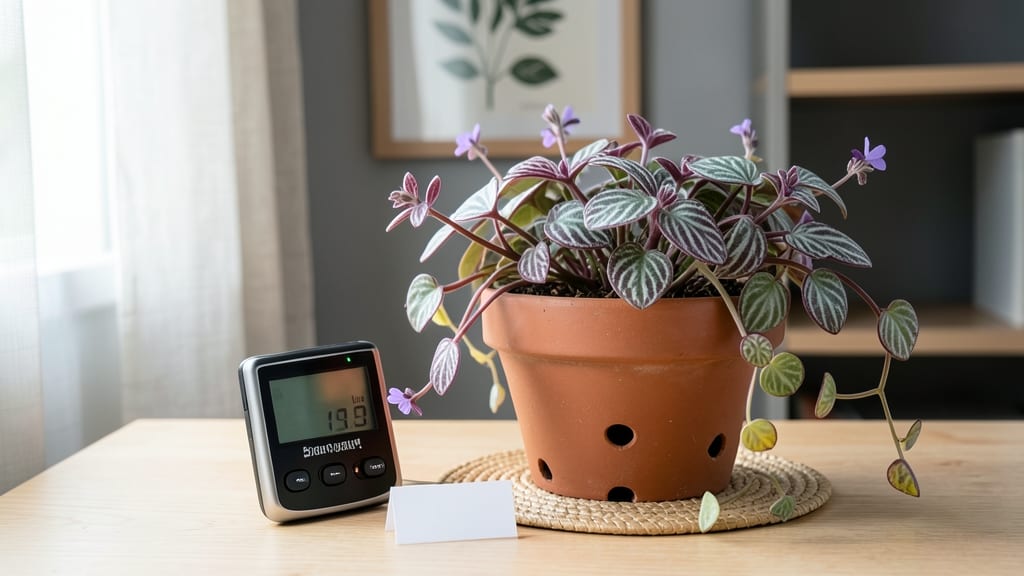
To keep your Inch Plant 🌱 thriving, you might be surprised to learn that light needs aren’t just about quantity—they’re about quality, too.
This vibrant foliage plant craves bright indirect light for 4-6 hours daily, but too much direct sun can scorch its delicate leaves, while too little leaves it stretched and sad.
If your plant looks leggy or its colors fade, it’s likely begging for more light—but not the harsh kind. I’ll show you exactly where to place it (hint: east or west windows are perfect) and how to spot the difference between under-lighting and over-lighting so you can fix it fast.
Even better, I’ll break down the best artificial light setups if natural light is tricky in your space. Whether you’re dealing with a dim corner or a sun-drenched windowsill, these tips will help your Inch Plant stay lush and full of life—no guesswork needed.
Let’s dive into the exact light conditions your plant needs to grow strong, plus how to troubleshoot common issues before they become problems. Your Inch Plant’s future starts here!
 Best Window Placement
Optimal light requirements for inch plant growth: exact hours and intensity
If you're wondering how much light does an inch plant need, the answer depends on its growth stage. These striking plants thrive in bright indirect light, but their needs shift from seedlings to mature plants.
As a plant parent myself, I’ve learned that too little light causes leggy stems, while too much leads to crispy brown edges—neither is ideal for that lush, variegated foliage we love.
The inch plant (Tradescantia zebrina or Fittonia spp.) prefers 4-6 hours of indirect sunlight daily, but this can vary based on your climate and window exposure.
For example, in my east-facing window, my inch plant gets perfect morning light without afternoon intensity. Understanding these nuances is key to keeping your plant vibrant and healthy.
| Growth Stage | Ideal Light Exposure | Daily Hours Needed | Light Intensity | Artificial Light Alternative |
|---|---|---|---|---|
| Seedlings | Bright indirect light | 4-5 hours | 50% shade cloth | 12-14 hours under grow lights |
| Mature Plants | Bright indirect light | 4-6 hours | East/West window | 10-12 hours under LED grow lights |
| Low-Light Conditions | Filtered light | 2-3 hours | North-facing window | 8-10 hours under fluorescent lights |
For seedlings, I recommend starting with 12-14 hours of artificial light under a grow light, as they’re more delicate. Use a fluorescent or LED grow bulb placed about 6-12 inches above the plant.
In my experience, seedlings grown under these conditions develop stronger stems and vibrant colors faster than those in natural light alone.
Once your inch plant reaches maturity, it can handle slightly more light—up to 6 hours of bright indirect sunlight. This is where positioning matters. A west-facing window works well because it provides gentle morning light and softer afternoon rays.
Avoid placing it in a south-facing window without a sheer curtain, as direct sunlight can scorch the leaves.
Measuring light quality isn’t just about hours—it’s also about light intensity. Use your hand as a guide: if you can comfortably read a book under the same light, it’s likely bright indirect light.
If the light feels harsh or causes shadows, it’s too direct. For instance, my inch plant near a skylight thrives because the light is diffused through the glass.
If you’re using grow lights, opt for full-spectrum LEDs that mimic natural sunlight. Position them 12-18 inches away from the plant and adjust the height as it grows.
I’ve found that 10-12 hours of LED light per day keeps my mature inch plants lush, even in winter when natural light is scarce.
One common mistake is assuming all bright light is good. Direct sunlight, especially in summer, can cause leaf burn—look for crispy edges or bleached patches. To fix this, move your plant a few feet away from the window or add a sheer curtain.
If the damage is severe, trim the affected leaves to encourage new growth.
In low-light conditions, your inch plant may still survive but will grow leggy and sparse. To compensate, rotate the pot quarter-turns weekly so all sides get equal exposure. Supplement with 8-10 hours of fluorescent light if natural light is insufficient.
I’ve successfully kept inch plants alive in north-facing rooms using a combination of natural light and a simple grow bulb.
Pro tip: Observe your plant’s foliage color as a natural indicator. Healthy inch plants have vibrant purple undersides and green tops. If the colors fade or the leaves turn dull green, it’s a sign of insufficient light.
Conversely, if the leaves develop yellow or brown tips, it’s a clear warning of too much direct light.
By fine-tuning your inch plant’s light exposure, you’ll see faster growth, richer colors, and fewer pests. Start with 4-6 hours of bright indirect light, monitor its response, and adjust as needed.
With the right balance, your inch plant will reward you with lush, healthy foliage for years to come. 🌱
Signs of over-lighting and under-lighting (with fixes)
Your inch plant (Tradescantia zebrina) communicates its light needs through subtle but telltale signs. Too much sunlight causes leaf scorch—crispy brown edges or bleached patches—while insufficient light leads to leggy growth and pale foliage. These visual cues help diagnose whether your plant is basking in the wrong conditions.
First, check the window placement. South-facing windows often deliver harsh midday rays that burn delicate leaves, while north-facing spots may leave your plant starving for light. Room temperature also plays a role—drafty areas near windows can stress plants, masking true light issues.
⚠️ callout warning
Symptoms: Crispy brown edges, white/yellow patches, or leaves curling upward.
Cause: Direct sunlight (especially 10 AM–4 PM rays).
Fix: Move 3+ feet from windows or use sheer curtains. Rotate plant weekly for even growth.
If your inch plant develops leggy stems and sparse leaves, it’s begging for more light. These stems stretch toward the nearest light source, creating a weak, unbalanced structure. Pair this with dull green leaves (instead of vibrant purple/white variegation), and you’ve got a classic case of light deprivation.
For over-lighting fixes, start by moving your plant to an east or west-facing window where it gets 4-6 hours of indirect light. If that’s not an option, place it 2-3 feet from a north-facing window.
Use a light meter (or your phone’s lux app) to confirm light levels—ideal range is 1,000–3,000 lux.
Under-lit plants need supplemental grow lights. A 12–14 hour photoperiod with a fluorescent or LED bulb (6,000K color temp) mimics natural daylight. Position lights 6–12 inches above the plant and adjust height as it grows. Prune leggy stems just above a leaf node to encourage bushier growth.
Monitor your plant’s progress weekly. Healthy inch plants have compact stems, vibrant variegation, and glossy leaves. Adjust light exposure gradually—sudden changes can shock the plant. With the right balance, your inch plant will thrive year-round, even in low-light spaces. 🌿