
Plants
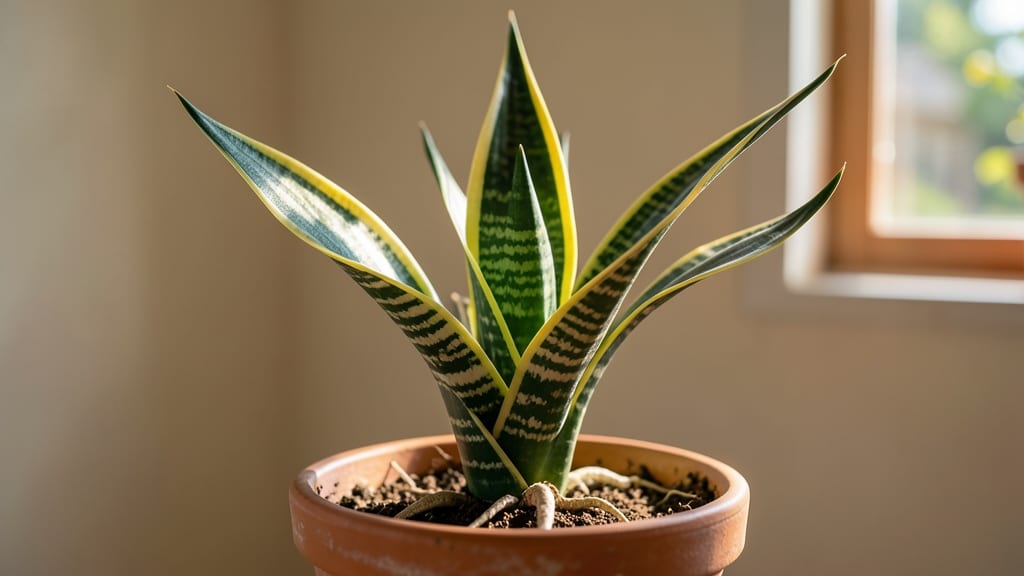
If your rattlesnake plant 🌿 keeps throwing dramatic fits—yellowing leaves, crispy edges, or just wilting—you’re probably guessing wrong about its light needs.
This tropical beauty thrives in conditions most homes miss, and the difference between a lush specimen and a struggling one often comes down to one simple factor.
Rattlesnake plants despise direct sunlight, but they also won’t flourish in dim corners. The key is finding that sweet spot of bright, indirect light—think dappled shade under a canopy or a few feet from an east-facing window. Too much sun?
Instant leaf scorch. Too little? Stunted growth and pale foliage. I’ll show you exactly how to spot the signs and adjust your setup for a plant that looks like it belongs in a greenhouse, not just your living room.
Don’t assume your bathroom or kitchen is automatically safe—some spots trick even experienced plant parents. We’ll break down the best windows, artificial light hacks, and seasonal tweaks to keep your rattlesnake plant happy year-round.
Trust me, once you nail this, your plant will reward you with those stunning striped leaves you fell in love with.
Ready to stop the guesswork? Let’s dive into the light conditions your rattlesnake plant actually craves—and how to give it exactly what it needs without overcomplicating things.
 Best Window Placement
Optimal light requirements for rattlesnake plants: low to bright indirect sunlight explained
Your rattlesnake plant (Calathea orbifolia) thrives in low to bright indirect sunlight, but getting the balance right can feel tricky. These tropical beauties originate from shaded forest floors, so direct sunlight can scorch their delicate leaves faster than you'd think.
The ideal range sits between 1,000 to 2,000 foot-candles of light—think of it as the brightness of a well-lit office without harsh overhead lighting.
Most people overestimate how much light their rattlesnake plant can handle, leading to brown crispy edges or pale, weak growth. Even a few hours of midday sun through a south-facing window can cause irreversible damage.
Understanding your home's light levels is the first step to keeping your plant happy and vibrant for years.
To measure your home's light levels accurately, use a light meter (available for under $20) or download a free app like Light Meter for smartphones. Place your rattlesnake plant where readings fall between 1,000-2,000 foot-candles.
If your space consistently measures lower, supplement with a grow light on a timer for 6-8 hours daily—just keep it 12-18 inches above the plant to avoid heat stress.
Seasonal adjustments are key because winter sunlight is weaker and summer light is more intense. In winter, move your rattlesnake plant closer to the window (within 2 feet) to compensate for reduced natural light.
During summer, increase the distance to 4-5 feet from south-facing windows to prevent leaf scorching. A sheer curtain can also diffuse harsh rays while maintaining brightness.
One common mistake is assuming all indirect light is equal. Morning sun (east-facing) is gentler than afternoon sun (west-facing), which can still be too intense. If you notice yellowing leaves or stunted growth, your plant might be getting too little light—try rotating it quarter-turns weekly for even exposure.
For brown tips, it's usually a sign of low humidity combined with fluctuating light conditions.
Pro tip: Group your rattlesnake plant with other low-light tropicals like pothos or ZZ plants to create a microclimate with stable humidity. These plants share similar light needs, making it easier to monitor and adjust conditions.
Avoid placing them near HVAC vents or drafty areas, as temperature swings can stress the plant just as much as poor lighting.
If you're still unsure about your home's light levels, start with an east-facing window placement—this provides the gentlest indirect sunlight for most of the day. Observe your plant's response over 2-3 weeks: healthy new growth and vibrant patterns mean you've nailed the light balance.
Adjust gradually if you see any stress signs, and remember: patience is key with rattlesnake plants.
For those with artificial lighting setups, LED grow lights with a 2700K-3000K color temperature mimic natural daylight best. Run them for 12-14 hours daily and maintain 12-18 inches of distance to prevent overheating. Just avoid blue spectrum lights, which can stress delicate foliage like rattlesnake plants.
Your rattlesnake plant's foliage patterns are its pride—proper light ensures those striking stripes and ruffles stay sharp. With the right lighting, you'll reward yourself with a showstopping houseplant that's the envy of every plant lover. Happy growing!
Signs your rattlesnake plant isn’t getting enough (or too much) light
Your rattlesnake plant 🌿 is sending clear visual distress signals when its light needs aren’t met. The most common red flag is yellowing leaves, which often start at the tips and spread inward.
This usually means your plant is getting too much direct sunlight or struggling with low humidity from harsh light. I’ve seen this happen when people place their rattlesnake plants near south-facing windows—what looks like gentle light is actually intense midday glare.
Another telltale sign is brown, crispy edges on the leaves. These crispy tips form when the air around your plant is too dry—a common issue in bright, dry indoor spaces with forced air heating or cooling.
The edges turn brown and papery because the plant can’t absorb enough moisture through its leaves fast enough. This isn’t always a light problem, but it’s often tied to overly bright conditions combined with low humidity.
If your rattlesnake plant looks pale and washed out, it’s begging for more light. When deprived of adequate bright indirect light, the leaves lose their vibrant striped patterns and turn a dull, greenish-gray color. This is your plant’s way of saying, “I need more light to photosynthesize properly!”
I’ve fixed this in my own collection by moving plants closer to east-facing windows or adding a grow light for a few hours daily.
Slow growth is another subtle but critical sign your rattlesnake plant isn’t happy with its light conditions. When a plant isn’t getting enough light, it stops producing new leaves and focuses all its energy on survival.
You might notice the existing leaves staying small or the plant taking months to grow just an inch. This is your plant’s way of conserving energy—like hibernating in slow motion. To fix this, I recommend rotating your plant quarter-turns weekly so all sides get even light exposure.
One of the most misunderstood signs is leaf curling. Many assume this means underwatering, but it can also signal too much direct sunlight or sudden changes in light exposure.
If your rattlesnake plant’s leaves curl upward like a turtle’s shell, it’s often a defense mechanism against intense light stress. The plant tries to reduce its surface area to minimize damage. My go-to fix?
Move the plant further from the window or add a sheer curtain to filter the light.
Finally, watch for leaf drop, which is the plant’s last resort when conditions become unbearable. If your rattlesnake plant starts shedding leaves—especially the older ones—it’s likely overheating from direct sun or struggling with extreme light fluctuations.
This is a serious warning sign that demands immediate action. I’ve saved multiple rattlesnake plants from this fate by relocating them to a shaded spot and misting the leaves daily to help them recover.