
Plants
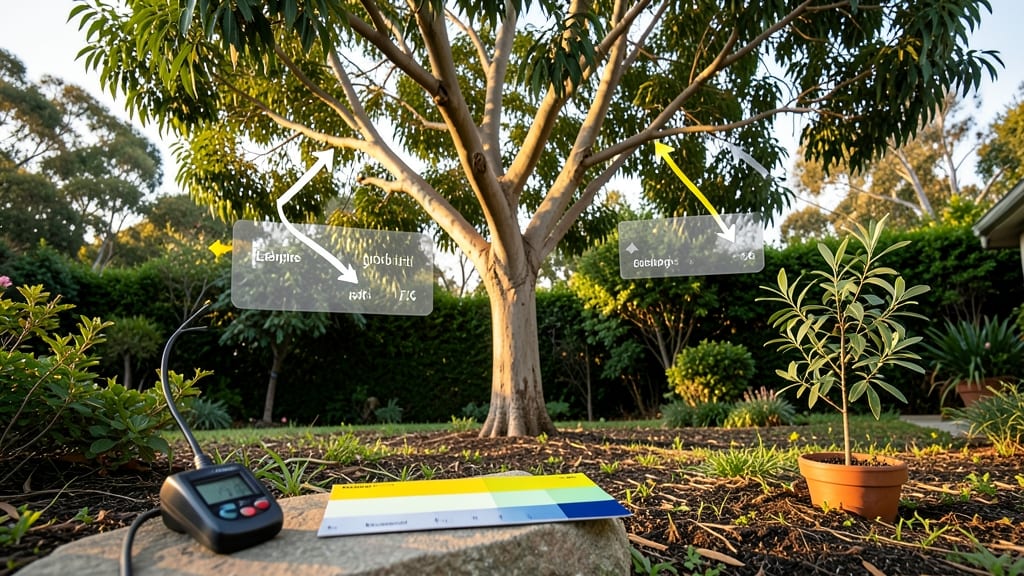
To keep your eucalyptus 🌳 thriving, you might be surprised by how much light a eucalyptus plant needs—more than you’d expect for a plant that looks so tough.
These towering trees demand at least 6 hours of direct sunlight daily, and cutting corners here is the fastest way to turn vibrant green leaves into sad, yellowing patches.
Think about it: eucalyptus grows taller than a three-story building, yet many gardeners underestimate its light needs. Without enough sun, the plant’s growth slows, leaves lose their luster, and worst of all, it becomes vulnerable to pests.
The good news? With the right placement—like a south-facing spot in your yard—you can avoid these common pitfalls entirely.
But here’s the catch: not all eucalyptus varieties are created equal. Some dwarf types tolerate partial shade, while others need full, unfiltered light to reach their full potential.
I’ll break down exactly how to match your plant’s needs to your climate, whether you’re in a sunny desert or a cloudier USDA Zone 6a region.
Ready to transform your eucalyptus from struggling to stunning? Let’s dive into the sunlight secrets that’ll have your tree thriving in no time—without the guesswork.
 Best Window Placement
Ideal light requirements for eucalyptus growth: sunlight hours and intensity
Eucalyptus plants are sun worshippers—literally. To thrive, they need at least 6 hours of direct sunlight daily, but many varieties perform best with 8+ hours. This native Australian tree evolved under harsh, bright conditions, making it highly sensitive to shade.
When placed in low-light areas, eucalyptus trees struggle to photosynthesize efficiently, leading to weak growth and yellowing leaves.
The optimal sunlight spectrum for eucalyptus falls between 400-700 nanometers, which includes visible blue and red light wavelengths—critical for chlorophyll production. Without enough of these wavelengths, your eucalyptus will show signs of stress, like pale or yellow foliage, within weeks.
Think of sunlight as the plant’s primary energy source, fueling everything from leaf expansion to root development.
Light intensity matters just as much as duration. Eucalyptus leaves are adapted to high-light environments, meaning they can handle the full force of midday sun without scorching—unlike many tropical plants.
However, direct afternoon sun in hot climates (e.g., Southern U.S.) can cause sunburn, visible as crispy, brown leaf edges. To prevent this, provide morning sun exposure and afternoon shade during peak summer months.
Scientifically, eucalyptus trees maximize photosynthesis efficiency under full-spectrum sunlight, which includes ultraviolet (UV) light. UV rays help produce flavonoids, natural compounds that protect leaves from damage. Without adequate UV exposure, your eucalyptus may develop pale, weak foliage that’s prone to pests.
This is why indoor eucalyptus (like Eucalyptus gunnii) often require grow lights to replicate natural sunlight conditions.
Regional climate plays a role in light requirements. In cooler zones (USDA 6-8), eucalyptus can thrive with 6-8 hours of sun due to longer daylight hours in summer. But in hot, arid regions (USDA 9-10), they need morning sun and afternoon shade to prevent dehydration.
Always observe your plant’s leaf color and growth rate—these are the best indicators of whether it’s getting the right amount of light.
For container-grown eucalyptus, light needs remain the same, but pot size and soil temperature become additional factors. Smaller pots overheat in direct sun, stressing roots. Use light-colored containers to reflect excess heat and ensure pots have drainage holes to prevent root rot from overwatering in bright conditions.
Rotate containers occasionally to ensure even light exposure on all sides.
If you notice yellowing leaves with green veins, it’s a classic sign of chlorosis, often caused by insufficient light or poor soil nutrition. Conversely, brown, crispy leaf edges signal sunburn, meaning the plant is getting too much direct sunlight without acclimation.
Adjust placement gradually—move potted eucalyptus to brighter spots over 1-2 weeks to avoid shocking the plant.
Pro tip: Use a light meter (or smartphone app) to measure lux levels in your garden. Eucalyptus thrives at 10,000-20,000 lux—about the intensity of direct sunlight on a clear day.
If your space falls short, supplement with LED grow lights (12,000-15,000 lux) for 12-14 hours daily to mimic natural conditions.
Signs of light overload or deficiency: how to diagnose yellowing leaves and other symptoms
Your eucalyptus plant's leaves are telling a story—if you know what to look for. Yellowing leaves often signal light deficiency, while crispy, brown edges suggest light overload. The key is understanding the difference between these two common light-related stress symptoms and how they manifest in your eucalyptus' foliage.
Eucalyptus plants need 6+ hours of direct sunlight daily, but too much or too little can both cause problems. In low-light conditions, leaves may turn pale yellow or even white, while excessive sun exposure causes brown, crispy patches or bleached spots.
Observing these patterns helps you adjust placement before the damage becomes permanent.
- ✅ Pale yellow leaves (chlorosis)
- ✅ Slow growth or stunted new shoots
- ✅ Leggy stems reaching for light
- ✅ Soft, weak foliage
- ❌ Brown, crispy edges on leaves
- ❌ Bleached or white patches
- ❌ Premature leaf drop
- ❌ Sunburned appearance
Outdoor eucalyptus trees often show light deficiency symptoms in shaded garden corners or under tall structures. If your plant is in a container, check if nearby buildings or trees are blocking sunlight. Even a few hours of direct morning sun can make a difference for recovery.
For indoor eucalyptus, symptoms like yellowing or drooping often appear near north-facing windows where light is diffused. Use a grow light for 12-14 hours daily if natural light is insufficient. Rotate the plant weekly to ensure even growth and prevent lopsided development.
Seasonal adjustments are crucial—winter light is weaker, so supplement with artificial lighting if your eucalyptus shows early signs of stress. In summer heat, provide afternoon shade to prevent light overload, especially in hot climates like USDA Zone 9+.
Regularly inspect your eucalyptus for these light-related symptoms and act quickly. A simple relocation or light adjustment can restore your plant’s vibrant green color and robust growth within weeks. Pay attention to how your eucalyptus responds to changes—it’s the best teacher! 🌳