
Plants
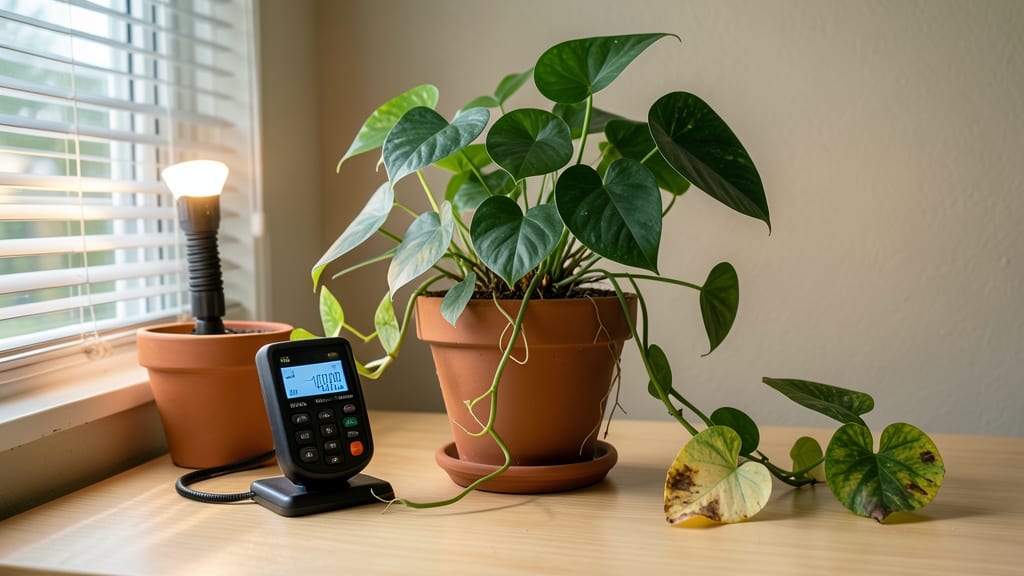
To keep your philodendron thriving, you might be surprised to learn it doesn’t need much light at all—low to bright indirect light is all this hardy plant craves.
Unlike sun-hungry succulents, philodendrons (🌿) actually prefer the gentle glow of an east-facing window or a cozy corner away from harsh rays. Too much direct sun? Watch for crispy brown edges. Too little? Your leaves might stretch thin and pale, begging for more.
Most homeowners overthink their philodendron’s lighting needs, assuming it’s a high-maintenance diva. The truth? These vines are adaptable survivors, making them perfect for offices, bathrooms, or even dimly lit living rooms.
I’ve seen them flourish under fluorescent bulbs and struggle under a south-facing window—proving that location matters more than intensity. Let’s break down exactly where to place yours for lush, healthy growth.
Whether you’re dealing with a leggy heartleaf or a bushy Xanadu, understanding light exposure is the key to preventing common problems like yellowing leaves or slow growth.
You’ll learn how to spot the ideal spot in your home, what to watch for when adjusting light levels, and even how to supplement natural light with artificial options. No more guesswork—just thriving philodendrons that reward your care with vibrant foliage.
Ready to transform your plant’s health? By the end of this guide, you’ll know exactly how much light your philodendron needs—and how to give it just the right amount—so it grows big, bold, and beautiful all year round. Let’s get started!
 Best Window Placement
Philodendron light requirements: ideal brightness levels for healthy growth
Philodendrons are masters of adaptability, thriving in conditions most houseplants would reject. Unlike sun-hungry succulents or tropical orchids, these vining beauties excel in low to medium indirect light.
The key lies in understanding their photosynthesis efficiency—they’ve evolved to capture light efficiently even in shaded environments, making them perfect for offices, bathrooms, or north-facing rooms.
Think of philodendrons as the goldilocks of houseplants: too little light, and they’ll stretch painfully toward any source; too much, and their leaves will scorch like overcooked pasta.
The ideal spot delivers 1,000 to 2,000 foot-candles of light—about what you’d find under a sheer curtain or 3–5 feet from a window. This range keeps their leaves vibrant while preventing stress.
Why does this matter? Philodendrons use C3 photosynthesis, which is less efficient in intense light but avoids the photodamage that affects sun-loving plants. Their waxy leaves also reflect excess light, acting like built-in sunscreen. However, push them into direct sunlight, and you’ll see crispy brown edges faster than you can say "oops."
Here’s the magic number: 4–6 hours of filtered light daily. That’s roughly what an east-facing window provides in the morning or a north-facing window all day. South or west windows?
Move your plant back 5–10 feet to diffuse the harsh rays. Even fluorescent office lighting can work—just rotate the plant weekly to prevent lopsided growth.
| Light Condition | Foot-Candles | Leaf Color | Growth Rate | Best For |
|---|---|---|---|---|
| Low Light (<1,000 fc) | 50–500 | Dark green, small | Slow | Bathrooms, offices |
| Medium Indirect (1,000–2,000 fc) | 1,000–2,000 | Vibrant green | Moderate | Living rooms, kitchens |
| Bright Indirect (2,000–3,000 fc) | 2,000–3,000 | Lighter green, variegation fades | Fast | Sunrooms, near windows |
| Direct Sun (>3,000 fc) | 3,000+ | Brown/yellow patches | Stunted | South/west windows |
Notice how the medium indirect light row stands out? That’s your sweet spot. Here’s how to test your home’s light: Place a white sheet of paper near your philodendron for an hour.
If it’s barely visible, you’re in the low-light zone—perfect for heartleaf philodendrons but too dim for variegated types like Philodendron Brasil.
For variegated philodendrons, aim for the higher end of the medium range (1,500–2,000 fc). Their white or yellow leaf markings need more light to stay vibrant. Think of it like a sunbathing session: just enough to keep their patterns popping without frying them.
Pro tip: Rotate your plant quarter-turns every 2 weeks to ensure even growth—uneven light causes lopsided vines.
Seasonal changes can throw off your philodendron’s light balance. In winter, when daylight shrinks, supplement with a 12–14 hour grow light (LED bulbs work best). Place it 12–18 inches above the plant for 4–6 hours daily.
Avoid cheap incandescent bulbs—they generate more heat than light, which can stress your plant. A full-spectrum LED mimics natural sunlight without the energy bill.
Watch for these tell-tale signs of light issues: Yellow leaves? Too much light or overwatering. Dark, small leaves? Not enough. Brown tips? Dry air from heaters or AC—move your plant away from vents.
And if your philodendron starts growing leggy vines, it’s stretching toward light like a sleepy cat reaching for the sun. Trim the leggy stems and move it closer to a brighter spot.
Remember, philodendrons are forgiving. Even if you’ve killed one by accident, another will thrive with the right light. Start with a north-facing window, monitor for 2 weeks, and adjust as needed.
Your plant will thank you with lush, glossy leaves and a growth spurt that’ll make your green thumb proud. 🌿
Common light mistakes that kill philodendrons (and how to fix them)
Philodendrons are forgiving plants, but even they suffer when light conditions are off. The most common mistakes—like placing them in direct sunlight or under dim fluorescent bulbs—can cause irreversible damage. I’ve seen brown crispy edges from too much sun and sad, pale leaves from not enough. Let’s fix these issues before they become permanent problems.Philodendrons hate harsh sunlight. Leaves exposed to midday sun turn brown and crispy within days. Move your plant away from south-facing windows or use a sheer curtain to diffuse light.
Yellow leaves often signal underlighting or overwatering. If your philodendron’s leaves are pale and sparse, it’s begging for more bright indirect light. Fluorescent lights? Not enough—switch to full-spectrum LED grow lights if natural light is scarce. Even a simple rotate every few weeks keeps growth even and prevents leggy stems reaching for light. Brown tips? That’s usually low humidity combined with dry air from indoor heating. Mist leaves regularly or place a pebble tray with water nearby. For leggy growth, the fix is simple: move closer to a window or add a grow light. These plants stretch toward light like sunflowers, but unlike sunflowers, they’ll never recover their compact shape once stretched.Office fluorescent bulbs emit blue light only, causing slow growth and weak stems. Upgrade to 6500K LED bulbs for full-spectrum light if keeping indoors long-term.
Seasonal changes mess with philodendrons too. In winter, shorter daylight hours slow growth, but don’t panic—just reduce watering and keep them near a bright window. If your plant looks sad in fall, a grow light for 12 hours daily mimics summer conditions. And remember: no drafts! Cold air from windows or vents stresses them, leading to yellow leaves. For outdoor philodendrons, bring them inside before temps drop below 50°F. Their tropical roots can’t handle chill. If you must keep them outside year-round, choose a sheltered spot like a covered patio. Even a few hours of morning sun is better than none—just avoid the hot afternoon rays.Philodendrons hate drafts. Keep them 3+ feet from AC vents, doors, or windows—cold stress causes leaf drop and root rot.
🌿