
Plants
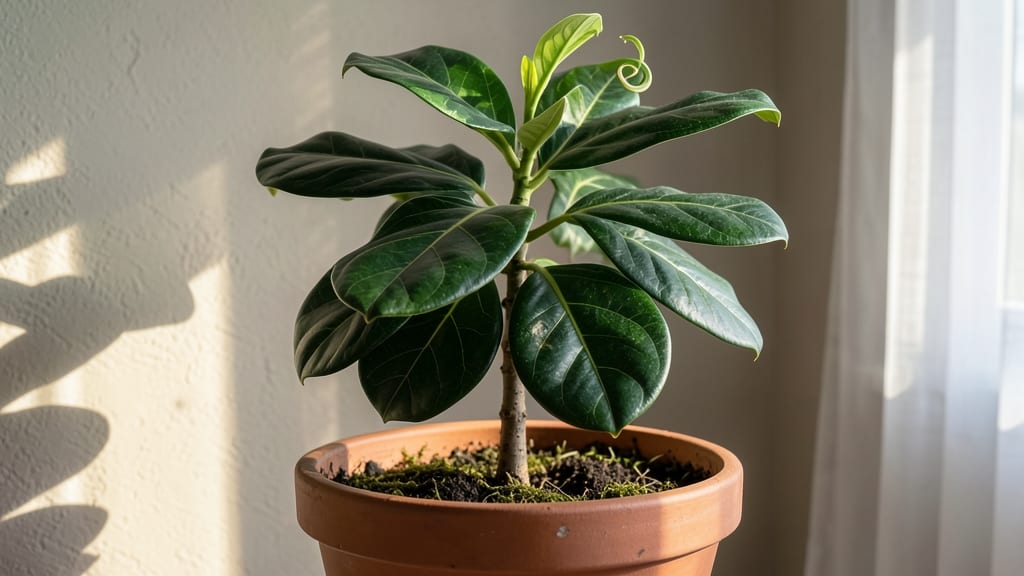
Want to know how much light a ficus plant needs to thrive without guessing? The secret lies in understanding how much light it truly needs—too little and it droops, too much and it burns.
Most ficus varieties like bright indirect light, but they can adapt to lower light conditions with some adjustments.
If you've noticed your ficus leaves turning yellow or stretching toward the window, it's likely begging for better lighting. The good news? With a few simple tweaks—like rotating the plant or choosing the right spot—you can give it the perfect conditions to flourish.
Let’s break down exactly what your ficus needs to stay happy and healthy.
Whether you're dealing with a low-light space or a sun-drenched room, knowing the signs of improper lighting will help you fix issues before they become serious. I’ll show you how to spot the difference between underlighting and overlighting, so you can create the ideal environment for your plant’s growth.
Ready to transform your ficus from struggling to stunning? By the end of this guide, you’ll have all the tools to place your plant just right—no more guesswork, just lush, vibrant leaves. Let’s get started!
 Best Window Placement
Ficus light requirements by variety: from low-light tolerant to sun-seeking types
Not all ficus plants are created equal when it comes to light needs. While some varieties thrive in dim corners, others crave bright indirect light to reach their full potential.
Understanding ficus light requirements by variety is key to preventing common issues like yellowing leaves or stunted growth. Let’s break down the ideal conditions for your favorite ficus types.
Many beginners assume all ficus plants need the same light exposure, but this couldn’t be further from the truth. For example, the Ficus elastica (rubber plant) can handle lower light levels, while the Ficus benjamina (weeping fig) prefers brighter conditions.
Misjudging these needs often leads to light deficiencies or even leaf burn. Let’s explore how to match each variety to the perfect spot in your home.
Here’s a quick reference for the most popular ficus varieties and their light preferences:
| Variety | Light Needs | Ideal Spot | Signs of Stress |
|---|---|---|---|
| Ficus elastica (Rubber Plant) | Low to medium indirect light | North or east-facing window | Yellowing leaves, slow growth |
| Ficus benjamina (Weeping Fig) | Medium to bright indirect light | East or west-facing window | Brown leaf tips, leaf drop |
| Ficus lyrata (Fiddle-Leaf Fig) | Bright indirect light | South-facing window with sheer curtain | Yellow spots, leaf scorch |
| Ficus microcarpa (Ginseng Fig) | Low to medium indirect light | Dim corner or north-facing window | Leggy growth, pale leaves |
The Ficus elastica is one of the most forgiving varieties, making it ideal for beginners or homes with limited natural light. It can tolerate as little as 100-500 foot-candles of light, which is roughly the brightness of a dimly lit office.
However, if you notice yellowing leaves or slow growth, it’s a sign your rubber plant needs slightly brighter conditions.
On the other end of the spectrum, the Ficus lyrata demands more attention. This variety thrives in bright indirect light, ideally receiving 1,000-2,000 foot-candles. Placing it near a south-facing window can work, but you’ll need to use a sheer curtain to filter out harsh afternoon sun.
Without enough light, fiddle-leaf figs develop yellow spots or crispy edges—a clear sign of light deficiencies.
If you’re unsure whether your ficus is getting the right amount of light, observe its leaves. Dark green, glossy leaves indicate optimal conditions, while pale or yellowing leaves suggest insufficient light.
Conversely, brown patches or leaf burn mean it’s receiving too much direct sunlight. Adjusting your plant’s location can often resolve these issues quickly.
For indoor growers, artificial lighting can be a game-changer. LED grow lights with a color temperature of 5000-6500K mimic natural sunlight and are perfect for supplementing low-light conditions. Place the light 6-12 inches above your ficus and provide 12-14 hours of light daily to encourage healthy growth.
This is especially useful for varieties like Ficus benjamina, which can become leggy without enough light.
One common misconception is that ficus plants thrive in direct sunlight. While they love light, most varieties cannot handle the intense rays of a south-facing window, especially during peak summer hours. Leaf scorch is a telltale sign of too much direct sun.
Instead, aim for bright indirect light by positioning your plant a few feet away from the window or using sheer curtains to diffuse harsh light.
Rotating your ficus every 4-6 weeks ensures even growth and prevents it from leaning toward the light source. This simple habit helps maintain a balanced shape and exposes all sides of the plant to consistent light levels.
Pair this with regular leaf cleaning to maximize light absorption—dusty leaves block sunlight and reduce photosynthesis.
Remember, the key to a thriving ficus lies in understanding its specific light requirements. Whether you’re growing a low-light tolerant Ficus microcarpa or a sun-loving Ficus lyrata, matching the variety to the right spot will keep your plant lush and vibrant for years to come. 🌿
How to test and adjust your ficus plant’s light exposure for optimal growth
Testing your ficus plant’s light exposure starts with simple observation. Place your hand near the plant during peak sunlight hours—if it feels warm but not scorching, the light is likely ideal.
For a more precise check, use a light meter (or a smartphone app) to measure 1,000–3,000 foot-candles of indirect light. Most ficus varieties thrive in this range, but Ficus lyrata may need slightly more (3,000–5,000 foot-candles) to maintain vibrant leaves.
If your plant isn’t getting enough light, start by relocating it to a brighter spot, like a south-facing window with sheer curtains or a west-facing window in cooler climates. Rotate the pot quarter-turns every 2–4 weeks to ensure even exposure—uneven light causes lopsided growth.
For indoor spaces with limited natural light, supplement with a grow light (LED or fluorescent) placed 6–12 inches above the plant for 12–14 hours daily.
🌱 Step-by-Step Light Adjustment Guide
- Observe leaf color: Pale or yellowing leaves = more light needed.
- Check for leaf scorch: Brown edges = direct sun exposure—move away.
- Test with a mirror: Place one near the plant for 1 hour—if it gets too hot, the light is too intense.
- Rotate the pot: Turn 1/4 turn weekly for balanced growth.
- Add a sheer curtain: Reduces harsh sunlight while maintaining brightness.
- Use a grow light: 12–14 hours/day if natural light is insufficient.
Overwatering can mask light issues, so always check soil moisture before adjusting light. If the top 1–2 inches of soil are dry, water first—wilting from underwatering mimics light deficiency symptoms.
For potted ficus, ensure the container has drainage holes to prevent root rot, which further stresses the plant under poor light conditions.
Outdoor ficus plants need gradual acclimation to brighter conditions. If moving from indoors to outside, start with 2–3 hours of morning sun and slowly increase exposure over 2–3 weeks.
Watch for leaf curling or crisping, which signals sunburn. In hot climates, provide afternoon shade with a lightweight shade cloth (30–50% coverage) to protect delicate foliage.
For low-light tolerant varieties like Ficus elastica ‘Black Prince’, avoid placing them in dark corners—even minimal light helps prevent etiolation (stretched, weak stems).
If your home has only north-facing windows, pair the plant with a reflective surface (like a white wall or mirror) to bounce extra light onto the leaves. This trick can boost brightness by up to 30% without direct sun exposure.
Remember, ficus plants are adaptable but slow to recover from light stress. If you’ve adjusted the light and still see issues after 4–6 weeks, reassess other factors like watering, humidity, or fertilizer.
A happy ficus should have deep green, glossy leaves and steady growth—not the struggle you’ve been seeing. 🌿