
Plants
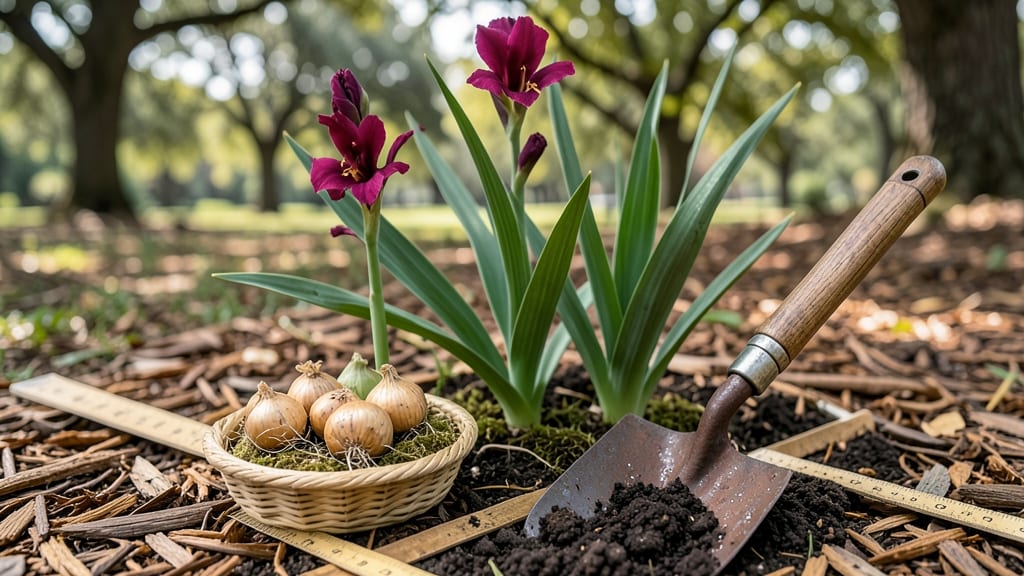
Planting gladiolus bulbs at the wrong time in Massachusetts can mean the difference between showstopping summer blooms and a garden full of flops. With Zone 6a frost dates hovering around mid-May, timing is everything—wait too long, and you’ll miss the prime window for those towering 🌸 spikes to thrive.
Most gardeners here make the mistake of rushing into the soil as soon as the snow melts, but gladiolus bulbs need warmer soil temps to root properly. The sweet spot?
Aim for mid-to-late spring, once the ground reaches a steady 60°F—typically 4-6 weeks after your last frost—to give your bulbs the head start they crave.
What you’ll discover is how a few simple adjustments—like choosing the right variety for your microclimate or adding a layer of mulch to protect roots—can turn a mediocre season into one packed with bold, 5-foot-tall blooms. Let’s break down the exact timeline and care tips tailored to Massachusetts gardens.
Whether you’re a first-time planter or a seasoned gardener, these insights will help you avoid common pitfalls and ensure your gladiolus steal the show from June through early fall. Ready to transform your garden?
Massachusetts gladiolus planting calendar by hardiness Zone (5 & 6)
Timing is everything when planting gladiolus bulbs in Massachusetts, where Zone 5 and Zone 6 climates demand precision. Coastal areas like Cape Cod may have earlier frost dates than inland regions, so adjust your schedule accordingly.
The key is planting after the last spring frost—typically mid-May—but before the soil warms too much, which can stress young bulbs.
For Zone 5, where winters are colder, aim for late May to early June planting to ensure blooms before the first fall frost. In Zone 6, you’ve got a slightly longer window—early May to mid-June—but don’t delay too long, or your glads may bolt before flowering.
Staggered planting every 2-3 weeks extends your summer display from July to September.
Soil temperature is another critical factor. Gladiolus bulbs thrive when soil reaches 60°F—wait for this warmth before planting, especially in cooler Zone 5 areas. Use a soil thermometer to check; if it’s still chilly, hold off until conditions improve. Coastal gardens may need to plant 1-2 weeks later than inland spots due to slower warming.
Here’s your week-by-week planting guide for both zones, including deadlines for summer-long blooms:
| Zone | Planting Window | Soil Temp Requirement | Bloom Timeline | Critical Deadline |
|---|---|---|---|---|
| Zone 5 | Late May – Early June | ≥60°F | July – Early September | June 15 (for late-summer blooms) |
| Zone 6 | Early May – Mid-June | ≥60°F | Late June – October | June 20 (for extended blooms) |
| Coastal MA | Late May – Early June | ≥60°F (1-2 weeks later) | July – Mid-September | June 10 (soil warmth delay) |
| Inland MA | Early May – Late May | ≥60°F (earlier warming) | Late June – October | June 5 (earlier planting) |
For Zone 5 gardeners, the June 15 deadline is non-negotiable if you want blooms before frost. Planting after this date risks bolting (premature flowering) or stunted growth.
In Zone 6, you can push it to mid-June for late-summer color, but avoid planting after July 1—gladiolus bulbs need time to establish roots before winter.
Pro tip: Use heat-tolerant varieties like ‘Green Star’ or ‘Black Pearl’ in Zone 6 for extended blooms. These varieties handle summer heat better than traditional types. For Zone 5, opt for early-blooming cultivars like ‘Picasso’ to ensure flowers before the first frost.
Always plant bulbs 4-6 inches deep and 6 inches apart for optimal airflow and reduced disease risk.
After planting, mulch heavily (2-3 inches) to retain moisture and regulate soil temperature. In Zone 5, add a light frost blanket in late September if bulbs are still visible to protect them from early frosts.
Coastal gardeners should monitor humidity levels—gladiolus are prone to botrytis rot in damp conditions, so space plants 8-12 inches apart for better airflow.
Don’t forget to stake tall varieties (like ‘Attraction’ or ‘Swan Lake’) to prevent flopping in summer winds. Use bamboo stakes or plant near a support structure early in the season.
In Zone 6, you can even try a second planting in early July for fall blooms, but choose short-day varieties like ‘Dalmatian’ to trigger flowering.
Finally, mark your calendar for late September—this is when you’ll dig up gladiolus corms in both zones before the ground freezes. Cure them in a dry, shady spot for 2 weeks before storing in paper bags (not plastic!) for next year’s showstopping display.
How to adjust planting time for early vs. late summer blooms in MA
Massachusetts gardeners can extend their gladiolus blooms from early summer to fall by using staggered planting. This simple strategy ensures you enjoy vibrant 🌸 flowers for months instead of just a few weeks.
The key is selecting varieties with different blooming timelines—typically 60-day and 90-day types—and planting them at different times.
For early summer blooms, plant 90-day varieties in late April to early May (after the last frost). These bulbs need more time to mature and will reward you with bold blooms in June and July.
Meanwhile, 60-day varieties planted in late May to early June will burst into color by late July and August, extending your display.
Here’s a pro tip: Heat-tolerant varieties like 'Red Shades' or 'White Friendship' thrive in Massachusetts’ summer heat. Plant these slightly later (early June) to avoid early bolting from warm soil. Always check the back of seed packets for specific days-to-bloom estimates.
🌱
Early vs. Late Summer Gladiolus Planting
| Planting Time | Variety Type | Bloom Window | Best For |
|---|---|---|---|
| Late April–Early May | 90-day varieties | June–July | Early summer shows |
| Early June | 60-day varieties | Late July–August | Extended fall color |
| Mid-June (heat-tolerant) | 'Red Shades', 'White Friendship' | August–September | Late-season gardens |
If you’re in Zone 5 (western MA), aim for mid-May planting to avoid late frosts. For Zone 6 (coastal areas), early April plantings work—but cover bulbs with frost cloth if nights dip below 40°F.
Remember, soil temperature matters more than air temperature: use a soil thermometer to confirm it’s at least 60°F before planting.
For late-season blooms, consider a second planting in early July. Choose short-day varieties like 'Green Star', which respond to shorter daylight hours in late summer. These will bloom in September, just before frost, adding a final splash of color to your garden.
Protect late plantings with row covers if early frosts threaten. A little extra care ensures your gladiolus steals the show well into fall! ☀️