
Plants
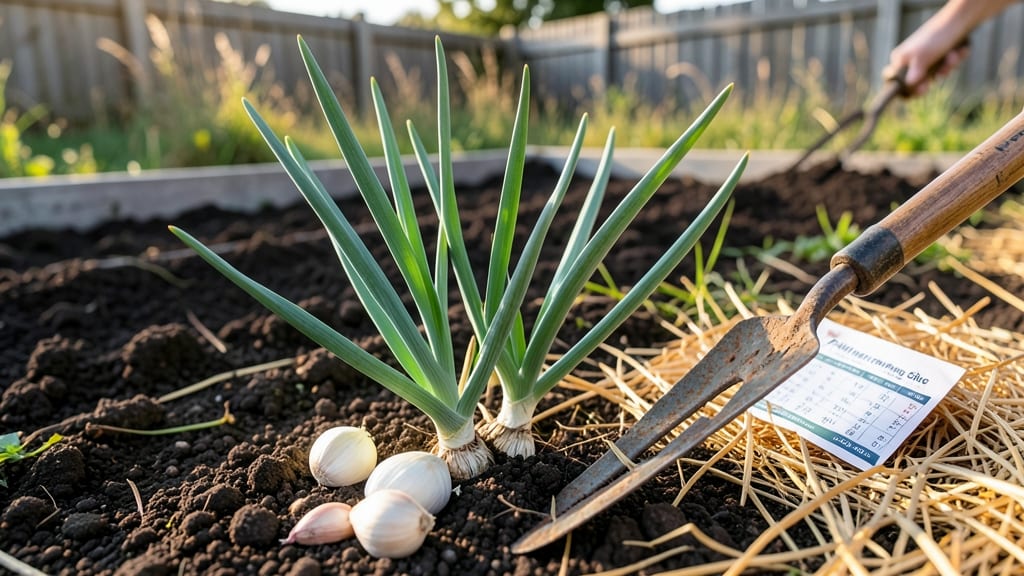
Timing your garlic planting in Zone 6b isn't just about the calendar—it's about outsmarting the 6-week window before the ground freezes solid. Miss it, and you risk bolting (those bitter, flower-stalked cloves) or stunted bulbs that never reach their full flavor potential.
I've learned the hard way that fall planting—between October and November—is your golden ticket to plump, robust garlic. But here's the catch: Zone 6b's unpredictable frosts mean you can't just follow a generic guide.
You need a climate-proof approach that accounts for early freezes, snow cover, and the 165 frost-free days that define this zone.
What if I told you the secret isn't just when you plant, but how you prep your soil and cloves? We're talking soil insulation tricks, mulching hacks, and even backup planting dates for those "oops" moments when winter arrives early.
Let me walk you through the exact steps to guarantee garlic that rivals the grocery store—without the 3x price tag.
By the end, you'll know exactly when to plant, which varieties handle Zone 6b's short season best, and how to adjust your schedule if Mother Nature throws you a curveball. No more guessing—just bold, flavorful garlic that makes your kitchen (and your neighbors) jealous.
Optimal planting windows for Zone 6B garlic: month-by-month breakdown
In Zone 6B, garlic thrives when planted in fall—but timing is everything. The 6-week window before your first hard frost separates success from failure. Miss it, and you risk bolting (flowering prematurely) or stunted growth.
Get it right, and you'll harvest plump, flavorful bulbs by July. Let's break down the exact months and tasks for both hardneck and softneck varieties.
Zone 6B's average last frost date is mid-November, but your local microclimate may vary. Check your USDA Plant Hardiness Zone Map and adjust accordingly. For example, if you're in western Zone 6B (like Colorado), you might plant 2 weeks earlier than someone in eastern Zone 6B (like Pennsylvania).
Always aim to plant 4-6 weeks before the ground freezes.
Hardneck garlic (like 'Music' or 'German White') needs cold vernalization to form bulbs, while softneck garlic (like 'Silverskin') is more flexible but still benefits from early planting. Both types follow the same fall planting timeline, but hardnecks are hardier in Zone 6B's winters. Here’s your month-by-month guide:
If you miss the fall window, don’t despair—you can still plant garlic in spring (March–April) in Zone 6B, but yields will be smaller and flavor milder.
Spring-planted garlic often bolts before bulbing, especially if temperatures rise quickly. For the best results, stick to fall planting and use the 6-week rule as your guide.
Pro tip: Use a garlic thermometer to monitor soil temps. Garlic roots need consistent chilling (40–50°F) for 6–8 weeks to form bulbs properly. If your winter is mild, consider planting earlier in October to ensure enough cold exposure.
Conversely, if you face early freezes, shift to late November for softnecks.
Hardneck garlic in Zone 6B often produces scape shoots in late spring (May–June). These curly stems are edible but should be removed promptly to redirect energy to bulb growth.
Twist them off by hand or cut with scissors—just don’t pull from the base! This simple step can double your bulb size by
How to adjust your planting schedule for extreme Zone 6B weather
Zone 6B's unpredictable frosts can turn your garlic dreams into a bitter disappointment if you're not prepared. One year, my garlic thrived with a late November planting, while the next, a sudden freeze in early October left me scrambling.
The key isn't just when you plant—it's how you adapt to Mother Nature's mood swings.
I've learned that soil insulation and strategic mulching can buy you critical 2-4 weeks of flexibility. For example, a thick layer of straw mulch (4-6 inches) can delay frost penetration by 10-15°F, giving your garlic roots time to establish before winter sets in.
This buffer is your secret weapon against Zone 6B's early freezes that can strike as early as October.
But what if winter arrives earlier than expected? That's where backup planting dates come into play. I've successfully used container gardening to extend my planting window by 3 weeks—simply move pots to a garage or unheated shed during extreme cold snaps and return them when temperatures stabilize.
This low-tech hack has saved my garlic harvest more times than I can count.
Here's the non-negotiable rule: Always plant 4-6 weeks before your average first frost date. In Zone 6B, that typically means mid-October to early November.
But if your local forecast calls for an early freeze, don't panic—just adjust your mulching strategy or consider high-tunnel protection for an extra layer of insulation.
Planting garlic in Zone 6B after mid-November risks bolting (flowering) the following spring. The plant needs 60-90 days of cold to properly form bulbs. If you miss the fall window, your only option is spring planting—but yields will be 50-70% smaller compared to fall-planted garlic.
For late springs (another Zone 6B specialty), I recommend planting a second crop in early March if your soil isn't workable earlier. Choose fast-maturing varieties like 'Silverskin' or 'Artichoke' that can handle the shorter growing season.
These varieties tolerate cooler soil temperatures better than their hardneck cousins, giving you a second chance at harvest.
Pro tip: Use a soil thermometer to track temperatures. Garlic roots need soil temps between 40-50°F to establish properly. If your soil is warmer than 50°F in fall, delay planting until temperatures drop—this prevents premature sprouting that weakens winter hardiness.
I keep mine handy year-round and adjust my schedule based on real-time data, not just calendar dates.
Remember, Zone 6B gardening is about flexibility. The plants that survive our unpredictable climate are the ones that get a little extra care during critical transition periods—like the 6-week window before freeze or the spring thaw.
With these adjustments, you'll turn Zone 6B's challenges into your garlic-growing superpower. 🌱