
Companion Plants
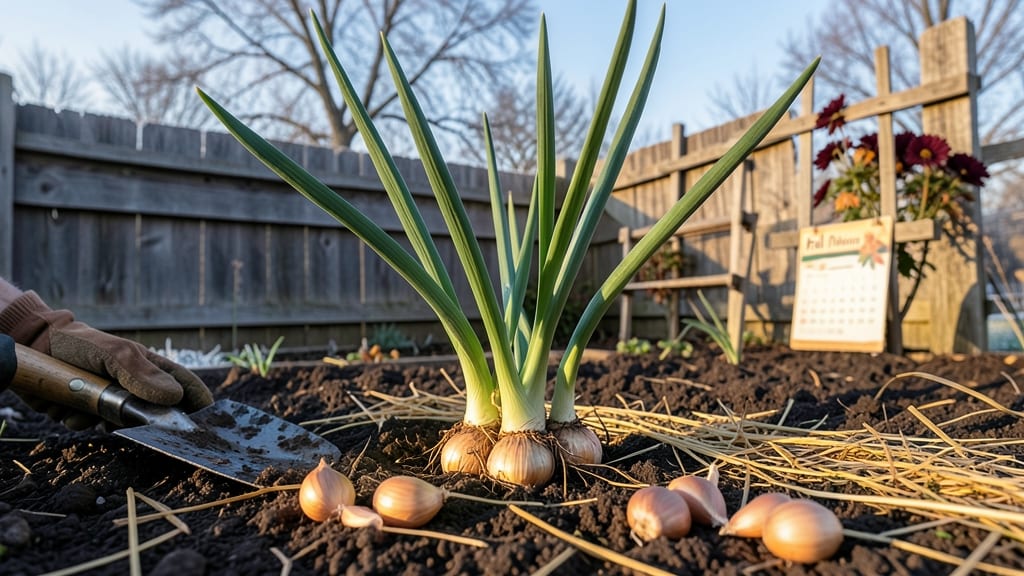
Planting garlic in Zone 6 during the wrong fall window could mean the difference between a bountiful harvest of flavorful 🧄 bulbs and wasted effort.
Unlike many vegetables, garlic thrives when planted in cool weather, but timing is everything—too early, and it may bolt; too late, and it won’t establish roots before winter.
For Zone 6 gardeners, the ideal time to plant garlic is between mid-October and mid-November, giving the cloves enough time to root before the ground freezes.
This window ensures hardneck varieties (the best choice for Zone 6) develop the chilling period they need to form strong bulbs by next summer.
But what if your fall doesn’t cooperate? I’ll show you how to adjust for early frosts or unseasonably warm spells, so you can still get a great harvest. Plus, I’ll share the key soil prep steps and spacing tricks that make all the difference in garlic success.
Whether you’re a first-time grower or a seasoned gardener, these insights will help you avoid common mistakes and maximize your garlic’s potential. Let’s get those cloves in the ground at the perfect time!
The ideal fall planting window for Zone 6 garlic (with exact dates)
Garlic thrives in Zone 6 when planted during a 6-week fall window, typically between mid-October and mid-November. This timing ensures garlic gets the 40-60 days of cold weather it needs to form bulbs properly.
Planting too early risks premature bolting (flowering), while planting too late may result in small, underdeveloped bulbs.
Your exact planting dates depend on your last frost date and soil temperatures. In most of Zone 6, aim to plant 4-6 weeks before the ground freezes. For example, if your first hard frost hits November 15th, plant between October 1st and October 15th.
This gives garlic enough time to establish roots before winter dormancy.
Soil temperatures below 50°F (10°C) trigger garlic’s cold requirement. Use a soil thermometer to confirm your garden is ready—ideal temps are between 40-50°F (4-10°C). If your soil stays warm late into fall, wait until temps drop naturally to avoid bolting.
Microclimates matter! Gardens in northern Zone 6 (like Chicago or Minneapolis) may need earlier planting (late September), while southern Zone 6 (like Atlanta or Nashville) can plant as late as early November. Observe nearby gardens or check your local cooperative extension service for precise deadlines.
Zone 6 Garlic Planting Timeline
| Stage | Action | Key Details |
|---|---|---|
| Soil Prep | Test pH (6.0-7.0) | Add compost; avoid fresh manure |
| Planting Window | Mid-October to Mid-November | 4-6 weeks before freeze; soil <40°F |
| Depth | 2 inches deep | Pointy end up; 4-6" apart |
| Winter Care | Mulch 2-4 inches | Straw or leaves; protect from heaving |
| Spring Growth | Remove mulch early | When soil thaws; avoid wet roots |
If you miss the fall window, spring planting is possible but yields are smaller and flavor milder. For spring planting, use smaller cloves (like those from grocery stores) and plant in early March when soil reaches 50°F (10°C). However, spring garlic lacks the full bulb development of fall-planted varieties.
Watch for soil heaving in winter—when frozen soil expands and contracts, pulling garlic cloves to the surface. Protect beds with 2-4 inches of mulch (straw or leaves) to insulate roots. In mild winters (like southern Zone 6), garlic may sprout early, so monitor for green shoots in February.
Garlic planted in late November or December may not get enough cold exposure, leading to small bulbs or bolting. If you’re unsure about your frost dates, use a garlic planting calendar or local gardening apps like Gardenate or PlantNet for real-time alerts.
Remember: Hardneck garlic (best for Zone 6) needs longer chilling than softneck. If you live in a warmer microclimate (e.g., near a lake or urban heat island), plant on the earlier side of the window to ensure adequate cold exposure.
Once planted, garlic is low-maintenance until spring. Just water occasionally during winter thaws and remove mulch in early spring to prevent rot. By June, you’ll see lush green leaves—a sign your garlic is thriving!
How to adjust your planting schedule for hardneck vs softneck garlic in Zone 6
In Zone 6, choosing between hardneck and softneck garlic isn’t just about flavor—it’s about timing. Hardnecks (like ‘German Red’ or ‘Music’) thrive when planted in early fall to meet their chilling requirement of 40–60 days below 40°F.
Softnecks (like ‘Silverskin’) are more flexible but still benefit from cooler soil temps for root establishment.
Hardnecks need 6–8 weeks before winter dormancy to form bulbs, while softnecks can handle later planting but may produce smaller cloves. If you miss the ideal window, don’t panic—I’ll show you how to troubleshoot bolting or stunted growth later in this guide.
| Variety | Best Planting Window | Chilling Requirement | Bulb Maturity Time | Zone 6 Risk |
|---|---|---|---|---|
| Hardneck (e.g., 'German White') | Mid-October to early November | 40–60 days below 40°F | 90–105 days | Bolting if planted late |
| Softneck (e.g., 'California Early') | Late October to December | 20–30 days below 40°F | 105–120 days | Smaller bulbs if planted early |
For hardnecks, aim to plant by mid-November at the latest—any later, and they may not get enough cold to form scapes (those prized garlic shoots) or bulbs. Softnecks are more forgiving but still need 4–6 weeks of cool soil to establish roots before winter.
If your soil stays warm past November, opt for softnecks or use row covers to chill hardnecks artificially.
Watch for premature bolting (flowering) in hardnecks planted too early—they’ll send up stems instead of bulbs. To fix this, remove flower stalks immediately and focus on even moisture to redirect energy to bulb growth. For softnecks, late planting might delay harvest but won’t ruin the crop entirely.
Pro tip: Test your soil’s chilling capacity by burying a thermometer at planting depth. If temps stay above 50°F for weeks, hardnecks will struggle. Adjust by choosing earlier-maturing varieties or planting in a north-facing bed where soil cools faster.
Remember, garlic’s growth cycle is a marathon, not a sprint. Hardnecks need that winter chill to trigger bulb formation, while softnecks play it safer with a broader window. With these adjustments, you’ll avoid the heartbreak of underwhelming harvests and instead enjoy plump, flavorful bulbs ready by next summer. 🌱