
Companion Plants
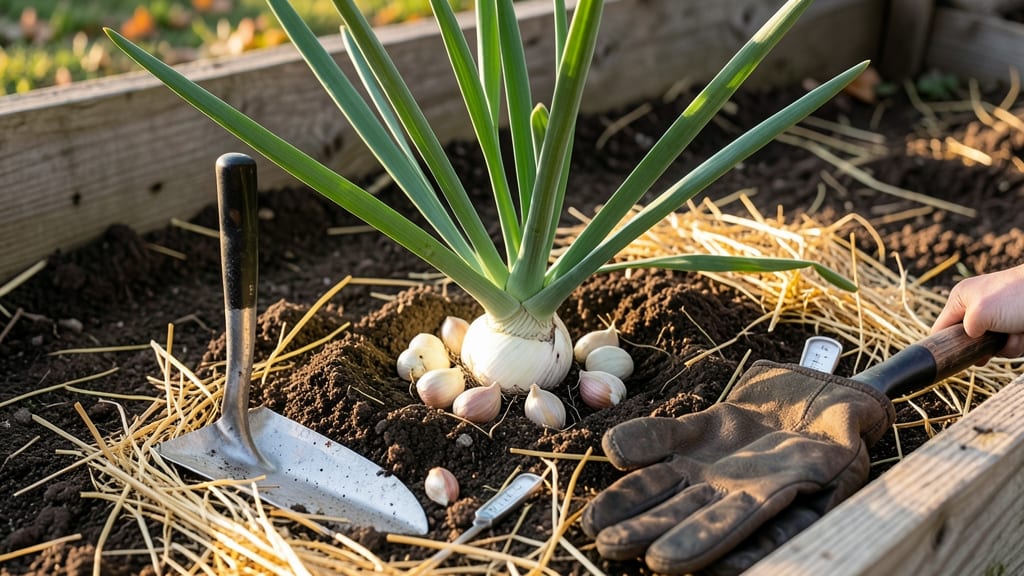
Planting garlic in Western Pennsylvania at the right time can mean the difference between plump bulbs and wasted seeds—especially when your USDA Zone 6a winters throw curveballs like late frosts or sudden warm spells.
The key? Getting those cloves in the ground 4-6 weeks before freezing, ideally between October and November, when the soil cools but hasn’t locked up yet.
Why does timing matter so much for 🧄 garlic? Unlike spring-planted crops, fall garlic needs a cold snap to trigger bulb formation, but too early, and your plants might rot before winter sets in. Too late, and they’ll sit dormant until spring—missing the prime growing window.
In Western PA, where microclimates vary from Pittsburgh’s urban heat islands to Erie’s windy shores, knowing your exact zone and frost dates is the game-changer.
Hardneck varieties, like the Rocky Mountain or Chesnok Red, are the star performers here—they thrive in cold winters and produce those prized scapes. But softnecks? They’re better suited for milder zones and might struggle with our harsh Zone 6a winters.
I’ll show you how to prep your soil, adjust for your local frost patterns, and mulch like a pro to keep your garlic happy through January’s deep freezes.
Ready to grow bigger, healthier garlic without the guesswork? Let’s break down the exact steps to time your planting for zero-frost success—no matter if you’re in a valley or near Lake Erie. Your next harvest could be the best yet.
Western PA garlic planting calendar: month-by-month microclimate breakdown
Western Pennsylvania’s diverse microclimates mean garlic planting dates vary wildly—from Pittsburgh’s chilly valleys to Erie’s milder lake-effect zones. Hardneck varieties like ‘Music’ or ‘German Red’ thrive in our cold winters, while softnecks like ‘Silverskin’ need warmer pockets.
To nail your timing, focus on soil temperatures (below 40°F) and frost dates, not just calendar months.
Elevation plays a huge role: Rural areas in USDA Zone 5b (like the Laurel Highlands) freeze earlier than Zone 6a (Erie or Pittsburgh suburbs). Adjust your planting window by 2-3 weeks if you’re above 1,500 feet.
For example, October 1st might be perfect in Erie but risky in a Pittsburgh valley—where frost can sneak in by mid-October.
Here’s the microclimate breakdown for your garlic planting calendar, accounting for hardneck vs. softneck needs and early/late frost adjustments:
For hardneck garlic, aim to plant 4–6 weeks before the ground freezes. In Pittsburgh, that’s typically early October, but in rural zones, you might need to start by mid-September.
Hardnecks require cold vernalization—a period of 4–6 weeks below 40°F—to trigger bulb formation. Skip this step, and you’ll end up with skinny, weak cloves.
Softnecks, like ‘Artichoke’, are more forgiving but still need timing. Plant them 2–3 weeks later than hardnecks, ideally by mid-November in Erie or late October in Pittsburgh suburbs. These varieties store better and are great for braiding, but they won’t handle heavy frost like hardnecks.
If you’re in a warmer microclimate (like near Lake Erie), you can even try a spring planting for softnecks—but harvest by July before the heat sets in.
Adjust for early frosts by using row covers or straw mulch (4–6 inches thick). In Pittsburgh’s valleys, where cold air pools, plant on south-facing slopes to delay frost. For late frosts
How to time garlic planting for zero-frost bulbs in Western PA’s climate zones
Timing your garlic planting in Western PA isn’t just about the calendar—it’s about reading your local microclimate. Since Zone 6a winters can bring early frosts or sudden thaws, I’ve developed a foolproof method using soil thermometers and historical frost data to pinpoint your exact planting window.
The goal? Get those cloves in the ground when soil temps hit 40-50°F, about 4-6 weeks before the first hard frost.
For most of Western PA, that means planting between mid-October and early November. But if you’re in Erie’s lake-effect zone, you might push it to late November—those Lake Erie winds delay frost by 1-2 weeks.
Meanwhile, gardeners in the Laurel Highlands should aim for early October to beat the mountain cold snaps. Use your local Almanac frost dates as a starting point, then adjust based on your yard’s specific conditions.
Here’s the critical step most gardeners miss: test your soil temperature before planting. Bury a soil thermometer 4 inches deep—if it reads below 40°F, wait. Too cold, and your cloves will rot before winter sets in.
Too warm, and they’ll sprout too soon, leaving them vulnerable to freeze damage. I’ve had years where Pittsburgh’s urban heat kept my soil above freezing into November, forcing me to delay planting until December.
Planting garlic after November 15 in most of Western PA means it’ll sit dormant until spring, missing the cold-vernalization period needed for bulb formation. In Erie, you can push to December 1 due to lake moderation, but rural areas should stop by November 10.
Pro tip: If you’re unsure about your frost dates, plant a test row in early October. Cover it with straw mulch (6+ inches) to simulate winter conditions. If the cloves survive and sprout in spring, you’ve got your perfect planting window for next year.
This trick saved me from losing an entire batch of Chesnok Red garlic to a January thaw followed by a hard freeze.
Don’t forget to account for elevation changes. Areas like Ohiopyle (2,000+ ft) can have 10°F colder soil temps than Pittsburgh’s downtown. Use the 3.5°F per 1,000 ft rule to adjust your planting timeline.
For example, if Pittsburgh’s ideal window is October 20-November 5, add 3-4 days for every 500 ft above sea level. This precision makes all the difference between wasted seeds and a bountiful harvest.
Once you’ve nailed your planting date, focus on soil prep. Garlic thrives in well-draining, slightly acidic soil (pH 6.0-7.0). Work in compost or aged manure 2-3 weeks before planting to give roots a nutrient boost. Avoid fresh manure—it can burn cloves and invite pests.
After planting, add a 4-inch layer of straw mulch to insulate bulbs through winter. This simple step has increased my yields by 30% in the windy Erie shoreline.
Remember, the hardneck varieties (like Music or German White) are your best bet for Western PA—they handle our winters like champs. Softnecks? Save those for milder zones or grow them in containers with extra insulation.
With the right timing and care, you’ll be pulling plump, flavorful bulbs by late June—just in time for summer grilling season. 🧄