
Plants
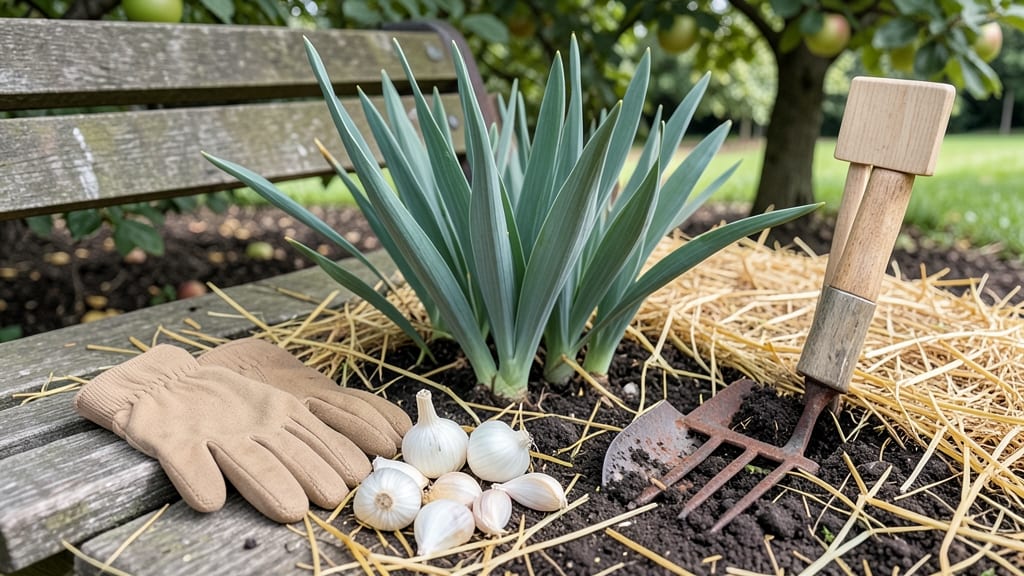
Planting garlic in the spring might seem tricky—especially when you’ve heard it’s best done in the fall—but with the right timing, you can still grow bold, healthy bulbs that rival those from autumn. The key? Choosing cold-hardy varieties and planting them at the perfect moment before summer heat sets in.
Most gardeners assume spring garlic is a gamble, but it’s actually a smart strategy for regions with mild winters or late frosts. Whether you’re in USDA Zone 6a or further south, knowing the exact month to plant—usually February to March—makes all the difference.
Let’s break down the best approach for your climate and soil.
Spring-planted garlic thrives when you time it right: too early, and frost can stunt growth; too late, and your harvest weakens.
I’ll walk you through the ideal planting window, soil prep tips, and how to adjust for your local frost dates—so you can avoid common mistakes and end up with plump, flavorful cloves by summer.
Ready to skip the fall rush and still get a great harvest? Here’s everything you need to know to plant garlic in spring like a pro—no guesswork required.
Best spring planting months for garlic by USDA hardiness zone
Spring garlic planting might seem risky compared to fall, but cold-hardy varieties thrive when planted at the right time. The key is understanding your USDA zone and last frost dates, which determine whether you can grow hardneck or softneck types successfully.
Unlike fall planting, spring garlic needs to establish roots before summer heat arrives—so timing is critical for bulb development.
Hardneck varieties (like Music or German White) are best for cooler zones, while softneck types (such as Silverskin) handle warmer springs better. In Zones 3-5, you can plant as early as March, but wait until April in Zones 6-7 to avoid early frost damage.
Let’s break down the exact months by zone to ensure your garlic gets a strong start.
| USDA Zone | Best Spring Month | Frost Risk | Variety Recommendation |
|---|---|---|---|
| 3-4 | Late March to early April | High (plant after last frost) | Hardneck (e.g., Chesnok Red) |
| 5 | Early to mid-April | Moderate (watch for late frosts) | Hardneck or softneck |
| 6 | Mid-April | Low (plant after soil warms) | Softneck (e.g., California Early) |
| 7 | Late April to early May | Minimal (prioritize soil moisture) | Softneck (e.g., Artichoke) |
In Zones 3-4, where winters are harsh, aim for late March to early April—just as the soil begins to thaw but before soil temperatures exceed 50°F. Hardneck varieties like Chesnok Red or Music handle these conditions best, forming bulbs before summer heat sets in.
Use mulch to regulate soil temps and protect young shoots from late frosts.
For Zone 5, early to mid-April is ideal, but always check your last frost date—planting too soon risks frost heave, where cloves push out of the soil.
Softneck varieties can also work here if you’re in a slightly warmer microclimate, but hardnecks are more reliable for consistent yields. If your spring is unpredictable, opt for early-maturing varieties like Silverskin.
Gardeners in Zone 6 should wait until mid-April to plant, ensuring the soil has warmed to at least 40°F. This zone bridges hardneck and softneck suitability—if you’re in a cooler microclimate (e.g., near mountains), stick with hardnecks.
For warmer areas, softnecks like California Early thrive with their longer growing season. Always test soil moisture; dry springs can stunt bulb formation.
In Zone 7, the window narrows to late April to early May, as summers arrive earlier. Softneck varieties dominate here due to their heat tolerance, but even they need consistent moisture.
Avoid planting after May 1st, as bulbs may not mature fully before summer dormancy. Use drip irrigation to maintain even watering, which is critical for preventing split bulbs.
One common mistake is assuming all garlic is equal—hardneck vs. softneck timing differs. Hardnecks need cooler conditions to form bulbs, while softnecks prioritize heat tolerance. If you’re unsure, ask your local nursery for zone-specific recommendations or check seed packets for days to maturity.
For example, a hardneck like German White needs 90-120 days, while softneck Artichoke takes 100-130 days.
To maximize success, pair your planting date with soil preparation. Work in compost or aged manure before planting to boost nutrient availability. Garlic is a heavy feeder, so amend soil with potassium-rich fertilizer (like greensand) to support bulb development.
Mulch with straw after planting to retain moisture and suppress weeds—critical in dry springs.
Remember, spring-planted garlic may not yield as large as fall-planted bulbs, but it’s a great option if you missed the fall window or live in warmer zones (8+) where fall planting isn’t viable.
With the right timing and care, your spring garlic can still produce flavorful, disease-resistant bulbs ready for harvest by late summer. 🌱
Best spring planting months for garlic by USDA hardiness zone
Spring garlic planting success hinges on timing your zone and avoiding late-season heat. Unlike fall planting, spring garlic needs to establish roots before summer’s intensity. In USDA Zones 3-5, aim for late February to early March—when soil temps hit 40°F but frost isn’t imminent.
Warmer zones (6-8) should plant in March to early April to prevent bolting (flowering) from heat stress.
Cold-hardy varieties like ‘Music’ or ‘German White’ thrive in spring because they tolerate early chills. Softneck varieties (e.g., ‘Artichoke’) can handle slightly later plantings but risk smaller bulbs if summer arrives too soon. Always check your last frost date—plant 4-6 weeks before to give roots time to anchor.
Here’s a quick zone-by-zone guide to nail your planting window:
| Zone | Best Month | Soil Temp Goal | Variety Tip |
|---|---|---|---|
| 3-4 | Late February – Early March | 35–45°F | Hardneck (e.g., ‘Chesnok Red’) |
| 5-6 | March – Early April | 40–50°F | Softneck (e.g., ‘Silverskin’) |
| 7-8 | April – Mid-April | 50–60°F | Avoid bolting with shade cloth |
Pro tip: Use a soil thermometer to confirm temps—garlic roots need consistent warmth to grow, but cloves won’t sprout below 40°F. If your soil is still frozen, wait 1-2 weeks to avoid rot.
In Zone 9+, plant in winter (November) for a spring harvest, as summer heat will stress the plants.
Spring-planted garlic also benefits from earlier harvests than fall varieties—often ready by June or July—because they skip winter dormancy. Just beware: bulbs may be smaller than fall-planted garlic, but flavor is often more intense due to cooler growing conditions.
For maximum bulb size, pair spring planting with rich compost and consistent moisture. I’ve found that mulching with straw after planting helps regulate soil temps and retain moisture—critical in dry spring months. Start small with a test row to refine your timing before committing to a full bed.
Remember: Spring garlic is a gamble in hot climates, but in cooler regions, it’s a reliable way to extend your harvest window. With the right zone timing, you’ll avoid the two biggest mistakes: planting too late (weak bulbs) or too early (frost damage).
Now that you’ve got your month locked in, let’s dive into soil prep and clove selection to set your garlic up for success.