
Plants
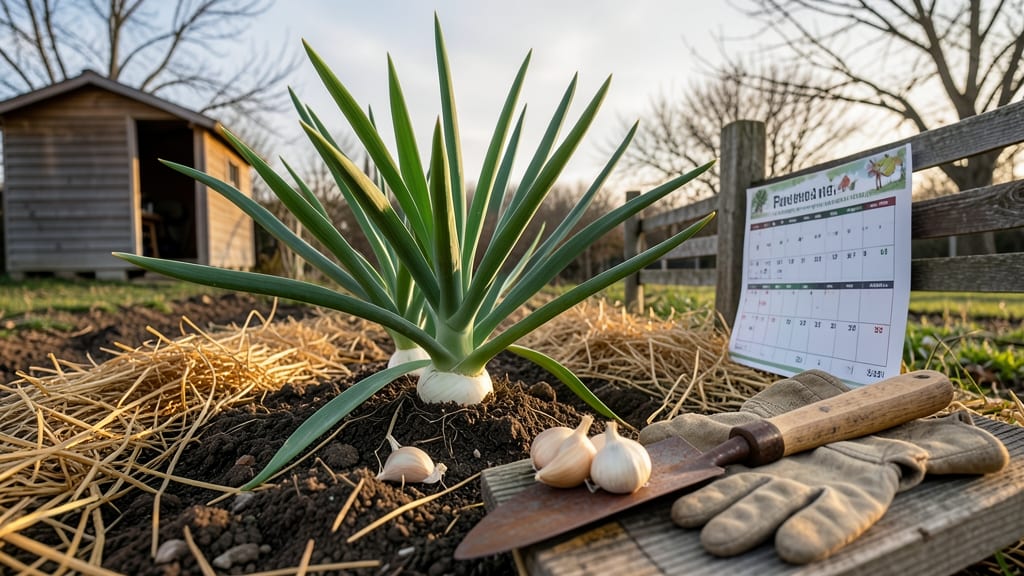
Planting garlic in San Diego at the wrong time means missing out on that rich, homegrown flavor—especially when your coastal, inland, or desert microclimate demands precision timing.
Unlike other regions, San Diego’s frost-free winters and warm soils create a unique window where October through November becomes your sweet spot for planting 🧄.
Most gardeners assume garlic needs cold to thrive, but in USDA Zone 10a, the real challenge is avoiding summer heat stress. Plant too early, and your cloves might bolt; too late, and you risk stunted growth.
The key is understanding how your specific microclimate behaves—coastal areas can handle late fall plantings, while inland zones need cooler soil temperatures.
I’ve tested different varieties and planting schedules, and what I’m about to share will help you avoid common mistakes. Whether you’re a first-time grower or a seasoned gardener, these timing tips will ensure your garlic bulbs develop properly and deliver that bold, aromatic harvest between April and June.
Ready to grow garlic that rivals the grocery store? Let’s dive into the exact planting schedule and soil prep tricks that work best for San Diego’s diverse climate.
San Diego’s 3 garlic planting zones: coastal vs. inland vs. desert timing
San Diego’s unique microclimates mean your garlic’s success hinges on planting timing. While coastal areas enjoy milder winters, inland valleys and desert edges face heat spikes and drought—all requiring precise scheduling.
Get it wrong, and you’ll risk bolting, poor bulb formation, or stunted growth. Let’s break down the ideal planting windows for each zone, including temperature thresholds and frost-free strategies.
Unlike northern climates, San Diego’s USDA Zone 10a offers year-round growing potential, but garlic thrives best when planted during cool fall months. The key difference? Coastal areas can plant earlier (October), while inland desert zones must finish by late November to avoid summer heat stress.
Even without frost, temperature consistency is critical—garlic needs 50-60°F soil temps to establish roots before winter dormancy.
Why timing matters: Plant too early, and coastal garlic may rot from excess winter moisture. Plant too late inland, and desert garlic bolts prematurely from spring heat waves. The solution? Zone-specific calendars that align with local chill hours and rainfall patterns.
Here’s your microclimate breakdown, including temperature thresholds and harvest windows to maximize bulb size and flavor. Use this as your planting roadmap—whether you’re in La Jolla, Escondido, or Borrego Springs.
| Zone | Planting Window | Ideal Soil Temp | Frost Risk | Harvest Window | Key Challenge |
|---|---|---|---|---|---|
| Coastal (e.g., La Jolla, Del Mar) | October–November | 50–60°F | Low (rare below 35°F) | April–June | Winter moisture |
| Inland (e.g., Escondido, Temecula) | November–December | 55–65°F | None | May–July | Spring heat spikes |
| Desert (e.g., Borrego Springs, Palm Springs) | October–Late November | 50–60°F | None | April–June | Drought stress |
Pro Tip: Use organic mulch (straw or wood chips) to regulate soil temps in all zones.
For coastal gardeners, the October–November window aligns with reduced rainfall and cooler nights, giving garlic time to root before December’s occasional drizzle. Aim to plant by November 15th to avoid overwintering issues—coastal garlic planted after this may develop soft rot from prolonged moisture.
Inland zones like Escondido and Temecula should wait until November–December to avoid summer bolting. These areas experience hotter springs, so planting earlier risks garlic flowering prematurely instead of bulbing. December plantings give you a 3–4 month buffer before April’s heat waves.
Desert regions present the tightest window: October–late November. By December 1st, daytime temps often exceed 70°F, triggering bolting. Use shade cloth (30–50%) if planting in exposed desert beds to extend the rooting period.
All zones share one critical rule: Plant 4–6 weeks before your area’s first significant rainfall. In San Diego, this means avoiding late-November plantings in coastal areas (when storms arrive) and prioritizing well-draining soil in desert zones. Amend clay soils with compost or sand to prevent waterlogged cloves.
Remember: Garlic’s growth cycle is 10–12 months in San Diego. Coastal plantings mature 2–3 weeks earlier than inland ones due to milder winters. Track your local chill hours (aim for 300–500 hours below 60°F) to predict harvest timing accurately.
Need a quick reference? Bookmark this: Coastal = October; Inland = November; Desert = October–Late November. And always plant cloves pointy-end up, 2 inches deep, for uniform bulbs. Happy planting—your bold, flavorful harvest starts now! 🧄
Garlic variety selection for San Diego’s climate: hardneck vs. softneck vs. Artichoke
San Diego’s unique microclimates demand careful garlic variety selection to thrive. Coastal areas benefit from mild winters, while inland regions face hotter summers. Choosing the right garlic type ensures robust growth and flavorful harvests year-round.
Hardneck varieties like 'Silverskin' excel in coastal zones, while 'Creole' thrives inland. Artichoke garlic, a hybrid, adapts well to desert edges. Each type offers distinct flavor profiles and growth cycles tailored to San Diego’s diverse conditions.
| Variety | Best Zone | Flavor Profile | Growth Cycle | Harvest Time |
|---|---|---|---|---|
| Silverskin | Coastal | Mild, sweet | 90-120 days | April-May |
| Creole | Inland | Bold, spicy | 100-130 days | May-June |
| Artichoke | Desert | Balanced, robust | 110-140 days | June-July |
Hardneck varieties like 'Silverskin' produce smaller bulbs but boast delicate, sweet flavors. Ideal for coastal areas, they mature quickly in 90-120 days, perfect for early spring harvests. Their hardneck stems also yield flavorful scape shoots.
Softneck varieties such as 'Creole' dominate inland gardens, offering larger bulbs with bold, spicy notes. Their extended 100-130 day cycle suits San Diego’s warmer inland winters, ensuring late spring harvests. These are also the storage champions of garlic varieties.
Artichoke garlic, a hybrid cross, thrives in desert edges, combining the best of both worlds. Its 110-140 day growth cycle aligns with hotter inland summers, delivering robust, balanced flavors. This variety is perfect for gardeners seeking versatility in flavor and adaptability.
For coastal gardens, prioritize Silverskin for its mild sweetness and quick harvest. Inland areas should opt for 'Creole' to maximize bulb size and spice. Desert gardeners will love Artichoke garlic for its heat tolerance and balanced profile.
Experiment with small batches of each variety to discover your favorite flavor and growth performance in your specific San Diego microclimate. Happy planting! 🌱