
Plants
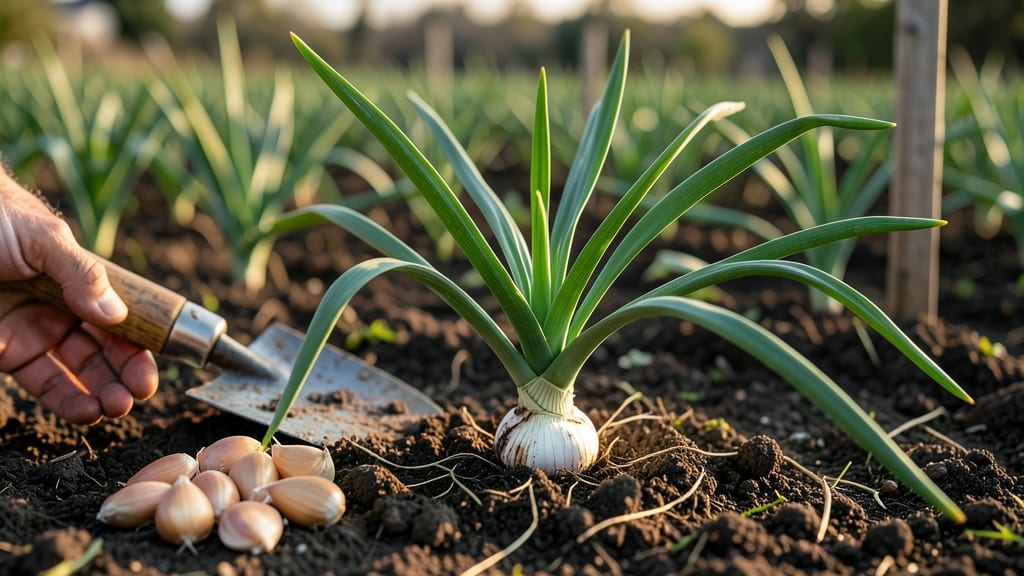
Planting 🧄 garlic in Tennessee isn’t just about sticking cloves in the dirt—it’s about timing your move to match the state’s unique climate zones and frost patterns.
If you miss the sweet spot between October and November, you could end up with stunted bulbs or even lost harvests entirely, especially in USDA zones 6a-7b.
Most gardeners swear by fall planting, but here’s the catch: hardneck varieties (like the ones that produce scapes) thrive when planted early, while softneck types can handle a slightly later window.
The key is getting those cloves in the ground 4-6 weeks before the first frost, so they establish roots before winter sets in.
Don’t stress if you’re new to this—we’ll break down exactly how to adjust your planting schedule based on whether you’re in East Tennessee’s cooler hills or the warmer valleys of Middle and West Tennessee. Plus, I’ll share my top tips for protecting your garlic through winter without overcomplicating things.
Ready to grow garlic that’s plump, flavorful, and ready to harvest by late June or July? Let’s dive into the perfect planting timeline for your Tennessee garden.
Best planting months for garlic in Tennessee: hardneck vs softneck breakdown
Tennessee’s USDA zones 6a-7b create a perfect balance for growing two garlic types: hardneck and softneck. The ideal planting window depends on your variety and local frost dates, which typically range from mid-October to mid-November for fall planting.
In Tennessee, hardneck varieties thrive in cooler zones (6a-6b), while softneck varieties do better in warmer regions (7a-7b).
For hardneck garlic, aim to plant 4-6 weeks before the ground freezes, usually between October 1st and November 15th. This timing ensures bulbs establish roots before winter dormancy.
In contrast, softneck garlic can handle slightly warmer soils, so you can extend planting until December 1st in southern Tennessee. Both types benefit from fall planting because they need cold exposure to form bulbs.
If you miss the fall window, early spring planting (February) is possible, though bulbs may be smaller. Spring-planted garlic lacks the cold stratification needed for full bulb development. Always check your local last frost date—Tennessee’s varies from mid-April in the mountains to early April in Memphis.
Here’s how Tennessee’s climate zones influence your planting schedule:
To maximize bulb size, plant cloves pointy-end up in well-draining soil with a pH of 6.0–7.0. In Tennessee, East Tennessee’s cooler microclimates suit hardneck varieties like Music or Chesnok Red, while Middle and West Tennessee gardeners often prefer softneck varieties like California Early or Inchelium Red.
After planting, mulch with 2–4 inches of straw or leaves to insulate bulbs during winter. This protects against freeze-thaw cycles and soil heaving, which can damage emerging shoots. In USDA Zone 7b, mulching is especially critical—temperatures can fluctuate wildly between 10°F and 70°F in a single week.
Harvest time arrives in late June to July when lower leaves turn brown and bulbs feel firm when squeezed. In Tennessee, hardneck varieties often bolt (flower) in spring, while softnecks stay low and produce larger bulbs.
If you’re unsure about timing, dig up one bulb in May to check for papery skin—a sure sign it’s ready.
Pro tip: Label your garlic beds by variety and planting date. Tennessee’s humid summers can lead to fungal diseases like white rot, so avoid overwatering and ensure 6+ hours of sunlight daily. With the right timing, your garlic will thrive even in Tennessee’s variable climate.
Best planting months for garlic in Tennessee: hardneck vs softneck breakdown
Tennessee’s USDA zones 6a-7b create a unique challenge for garlic growers—get the timing wrong, and you’ll either have bulbs that never mature or ones that rot before harvest.
The golden window for planting is October through November, but hardneck and softneck varieties each have their own ideal schedule to maximize bulb size and flavor.
Hardneck garlic, like ‘Music’ or ‘German White’, thrives in cooler climates and needs a longer cold period (at least 40 days below 40°F) to form bulbs.
Softneck varieties, such as ‘Silverskin’ or ‘Artichoke’, are more adaptable and can handle slightly warmer winters, making them a better fit for West Tennessee’s milder zones.
Here’s the breakdown you need to avoid common mistakes and ensure a late June-July harvest:
If you’re in East Tennessee’s higher elevations (like Knoxville or the Smoky Mountains), aim for early October planting to ensure enough cold exposure. Gardeners in Nashville or Memphis can push planting to mid-November without sacrificing bulb quality, thanks to milder winters.
Pro tip: Use a soil thermometer to confirm the ground has cooled to 50-60°F before planting. Cold soil speeds up root establishment, giving your garlic a head start before winter sets in.
Remember, garlic planted in fall will produce bulbs the following summer, so mark your calendar for late June-July harvests—that’s when those plump, flavorful cloves will be ready to pull!