
Plants
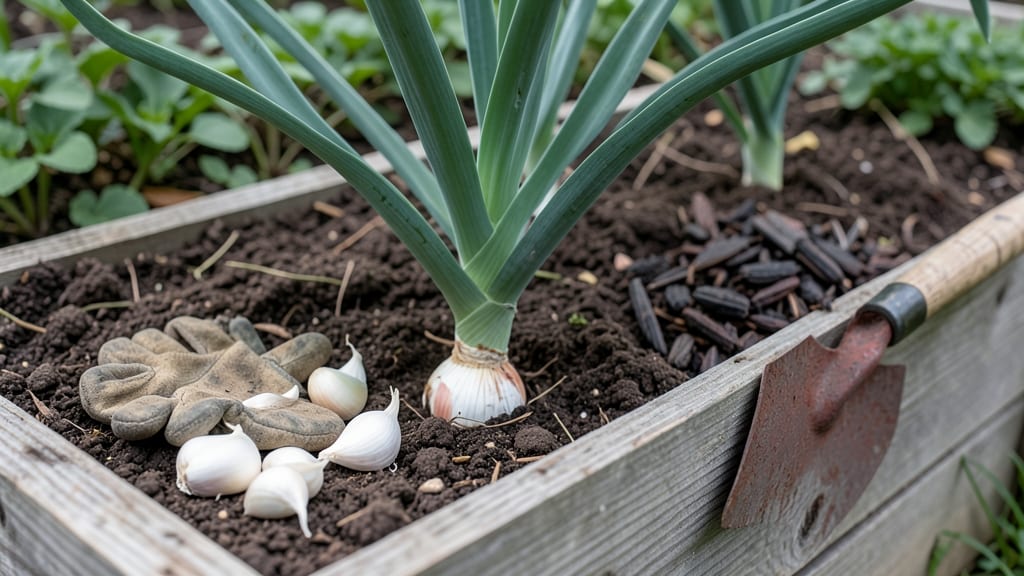
Planting garlic in North Carolina’s spring can feel like a gamble—get the timing wrong, and you might end up with weak 🧄 bulbs instead of the bold, flavorful harvest you’re after.
The key to success lies in understanding your local frost dates and soil conditions. Unlike fall planting, which is the preferred method for most gardeners, spring garlic thrives when planted 6-8 weeks before your last expected frost—typically between late February and early March in zones 6b-8a.
But here’s the catch: North Carolina’s spring weather can be unpredictable, with frost risks lingering into April. I’ll break down exactly how to time your planting for the best results, including soil prep tips and regional adjustments to ensure your garlic gets the strong start it needs.
Whether you’re a seasoned gardener or just starting out, these insights will help you avoid common mistakes and grow garlic that’s ready for harvest by late June. Let’s get those cloves in the ground at the perfect moment!
NC spring garlic planting timeline: exact weeks before last frost for optimal growth
North Carolina’s spring garlic planting window is short but critical—planting too early risks frost damage, while waiting too long delays bulb development. For Zone 7-8, aim for 6-8 weeks before your last spring frost, typically between mid-February and early March.
This timing ensures cloves establish roots before warm soil triggers rapid growth. Miss this window, and you’ll sacrifice flavor and size in your harvest.
Unlike fall planting (the preferred method), spring garlic requires precise timing because it grows faster in warmer soil. The soil temperature threshold is 40-50°F—plant when the ground consistently holds this warmth, but before temperatures climb above 55°F.
Coastal NC areas (like Wilmington) can plant 1-2 weeks earlier than Piedmont regions (e.g., Raleigh or Asheville) due to milder microclimates.
Regional variations matter: The Piedmont (Zone 7a) has later frosts (mid-April), while the Coastal Plain (Zone 8a) sees frost risks by late March. Use your local frost date (check the NC State Climate Office) to calculate your exact planting deadline. For example, if your last frost is April 15, plant by March 1 to ensure 8 weeks of root development before harvest.
| Region | Last Spring Frost | Ideal Planting Window | Soil Temp Threshold | Key Adjustment |
|---|---|---|---|---|
| Piedmont (Raleigh, Greensboro) | Mid-April | Feb 20 – Mar 5 | 45–50°F | Wait for consistent 45°F soil temps; use black plastic mulch to warm soil faster. |
| Coastal Plain (Wilmington, Fayetteville) | Late March | Feb 10 – Feb 25 | 40–45°F | Plant earlier but protect with row covers if frost threatens. |
| Mountains (Asheville, Boone) | Early April | Mar 1 – Mar 15 | 48–50°F | Use cold-hardy varieties (e.g., ‘Silverskin’) and deep mulch for insulation. |
| 🌱 Pro Tip: Test soil temp with a soil thermometer at 4-inch depth for accuracy. | ||||
To maximize success, prep your soil 2-3 weeks before planting. Work in 2–3 inches of compost and a balanced fertilizer (10-10-10) to boost early root growth. Garlic cloves need well-draining soil—amend heavy clay with sand or perlite if needed.
Choose hardneck varieties (like ‘Music’ or ‘German White’) for NC’s climate, as they handle temperature swings better than softneck types.
Plant cloves 2 inches deep, 4–6 inches apart, with the pointy end up. Space rows 12 inches apart to allow airflow and reduce fungal risks. After planting, apply a 2-inch layer of straw mulch to retain moisture and regulate soil temperature.
This mulch also suppresses weeds, saving you weekly tilling—a must in NC’s humid springs.
Monitor your garlic’s progress with these 3 key milestones:
- Sprouts emerge (3–4 weeks after planting).
- Leaves reach 6–8 inches tall (soil temps hit 55°F).
- Bottom leaves yellow (bulbs are forming—harvest in 6–8 weeks).
If your garlic bolts (sends up a flower stalk) before bulbing, it’s a sign you planted too late. This usually happens when soil temps exceed 70°F too early.
For container growing, use pots at least 12 inches deep with drainage holes. Fill with a mix of potting soil and compost, and plant 3–4 cloves per 5-gallon pot. Containers warm up faster than ground soil, so plant 1 week later than your outdoor schedule.
Place pots in a south-facing spot or under grow lights for 12+ hours of light daily.
If you miss the spring window, don’t despair—fall planting (October–November) is still your best bet for larger bulbs. But spring garlic is worth the effort: it’s hardier, bolts less, and matures faster
How to adjust garlic planting dates for NC’s microclimates and frost risks
North Carolina’s diverse microclimates and unpredictable spring frost patterns can throw off even the most experienced garlic growers.
While the general rule is to plant 6-8 weeks before your last frost, elevation changes and coastal influences mean your Asheville garden might need a different timeline than your Coastal Plain plot.
I’ve planted garlic in both zones and learned the hard way that blindly following a one-size-fits-all schedule leads to frost damage or stunted growth.
For most of NC (zones 7a-8a), aim for planting between late February and early March. However, gardeners in higher elevations like the Blue Ridge Mountains should push planting back to mid-March to avoid late frosts.
Coastal areas can sometimes plant as early as February 15th, thanks to warmer soil temperatures. The key is checking your local USDA frost date maps and adjusting accordingly.
⚠️ CRITICAL WARNING: Late Spring Frosts in NC ⚠️
Don’t Plant Too Early!
North Carolina’s spring frosts can linger well into April, especially in the Piedmont region. Planting garlic in January or early February risks exposing young shoots to 28°F or lower temperatures, which can kill emerging plants. Even hardened garlic cloves struggle to survive below 20°F, so always verify your last frost date using the NC State Climate Office or Almanac frost calculators.
Pro Tip: Use organic mulch (straw or leaves) to protect newly planted cloves. A 2-3 inch layer can raise soil temps by 3-5°F and shield tender sprouts from light frosts.
Elevation plays a huge role in NC’s microclimate variations. Every 1,000 feet gain in elevation typically delays spring by about 1 week. For example, gardeners in Boone (Zone 6b) should wait until March 10th or later, while those in Raleigh (Zone 7b) can plant by February 25th.
To test your soil’s readiness, stick a thermometer 2 inches deep—garlic cloves won’t sprout reliably until soil hits 40-50°F consistently.
Organic mulching is my secret weapon for extending NC’s planting window. After planting, cover beds with straw or shredded leaves to insulate roots and retain moisture. This technique lets me plant 2-3 weeks earlier in cooler zones without frost risk.
Just remember to pull mulch back slightly after sprouts emerge (around 4-6 inches tall) to prevent rot. I’ve also had success using black plastic mulch in high-elevation areas to warm soil faster.
Before planting, verify your local frost dates using these NC-specific resources:
- NC State Climate Office (climate.ncsu.edu)
- Old Farmer’s Almanac (almanac.com)
- Local Cooperative Extension offices
Timing isn’t everything—soil prep matters just as much. Work in compost or aged manure before planting to improve drainage, especially in clay-heavy Piedmont soils. I’ve found that garlic planted in well-amended beds recovers faster from spring temperature swings.
Once planted, maintain consistent moisture (1 inch per week) until bulbs form. With these adjustments, you’ll grow garlic that’s ready for harvest by late June or July, regardless of NC’s unpredictable spring weather.