
Planting
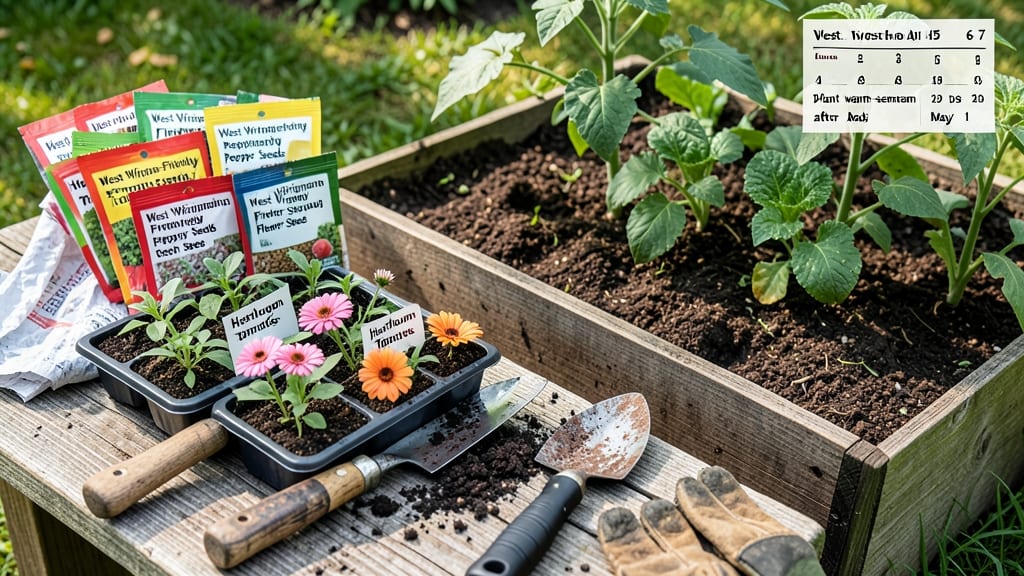
Timing your garden planting in West Virginia’s Heat Zones 7A/7B can mean the difference between a bountiful harvest and a sad, frost-nipped failure. The last frost date in your area isn’t just a number—it’s the critical deadline that determines whether your seeds sprout or your soil stays frozen.
I’ve spent years watching gardens thrive (and wither) in WV’s unpredictable climate, and the key isn’t just when you plant—it’s understanding how microclimates, elevation, and even your backyard’s exposure can shift those deadlines by weeks.
Whether you’re sowing cool-season greens in spring or heat-loving tomatoes in summer, getting this right saves you time, money, and frustration.
What you’re about to discover isn’t just a calendar—it’s a game-changer for extending your growing season, protecting tender plants, and even cheating frost with simple tricks. No more guessing if your lettuce will bolt or your peppers will shrivel.
Let’s break down the exact windows you need to know, tailored for WV’s unique conditions.
From the moment soil warms enough to work (usually late April to early May in most areas) to the last safe planting dates before winter’s first chill, we’ll cover it all. Ready to turn your garden dreams into reality without the frost-related heartbreak?
WV heat zone 7A/7B planting deadlines by season (with frost risk zones)
West Virginia’s Heat Zones 7A/7B create a unique gardening challenge with last frost dates that can vary by 1-2 weeks between zones. In 7A, the average last frost occurs around April 15, while 7B sees it closer to April 22.
These dates separate cool-season crops from warm-season plants, and missing them means frost-killed seedlings or stunted growth.
For Zone 7A, the first frost typically arrives October 20-25, while Zone 7B holds off until October 27-30. This 3-week window determines when to plant fall crops like kale, spinach, and radishes.
Understanding these frost risk zones helps you time succession planting and harvest windows for maximum yield.
Here’s your seasonal planting calendar for WV’s Heat Zones 7A/7B, including last frost dates, ideal transplant times, and warm-season starter deadlines to avoid frost damage.
| Season | Plant Type | Zone 7A Deadline | Zone 7B Deadline | Notes |
|---|---|---|---|---|
| Spring | Cool-Season Crops (Lettuce, Peas, Spinach) | March 15 (direct sow) | March 22 (direct sow) | Start indoors 6-8 weeks before last frost. |
| Spring | Warm-Season Crops (Tomatoes, Peppers, Basil) | April 25 (after frost) | May 2 (after frost) | Use row covers for early starts in Zone 7A. |
| Summer | Succession Planting (Beans, Zucchini, Cucumbers) | June 15 (every 2 weeks) | June 22 (every 2 weeks) | Extend harvest until first frost. |
| Fall | Cool-Season Crops (Broccoli, Carrots, Kale) | August 1 (for transplant) | August 8 (for transplant) | Direct sow until September 15. |
| Fall | Garlic & Onions (Plant for Spring Harvest) | October 10 (before ground freezes) | October 17 (before ground freezes) | Mulch heavily to protect from winter freeze. |
For Zone 7A, spring planting of cool-season crops like lettuce and peas should begin by March 15 for direct sowing.
If you’re starting indoors, begin 6-8 weeks before your last frost date (around February 15) to ensure seedlings are ready for transplanting. Warm-season crops like tomatoes and peppers must wait until after April 25 to avoid frost damage.
In Zone 7B, you have slightly more time: direct sow cool-season crops by March 22 and transplant warm-season plants after May 2. This extra 7-day window lets you experiment with earlier varieties or succession planting for a longer harvest.
Always check soil temperatures—warm-season plants need 60°F+ soil to thrive.
Summer in WV is short, so succession planting is key. For beans, zucchini, and cucumbers, start your first planting by June 15 in Zone 7A and June 22 in Zone 7B, then repeat every 2 weeks until July 15.
This ensures a continuous harvest before the first frost. Use lightweight row covers to extend the season by 2-3 weeks if needed.
Fall planting in WV rewards patience. Cool-season crops
How to extend your WV gardening season without risking frost damage
West Virginia’s last frost dates can arrive as late as May 15 in Zone 7A and May 1 in Zone 7B, leaving little room for error. But with smart strategies, you can safely extend your growing season by 4-6 weeks without risking frost damage.
The key lies in combining frost protection methods with strategic planting techniques tailored to WV’s microclimates.
From cold frames that trap heat to row covers that create insulating bubbles, each method has unique benefits. I’ve tested these techniques across WV’s valleys and mountain regions—where frost pockets form—and found the most reliable solutions for pushing your planting windows.
Let’s compare the best options to help you decide which fits your garden’s needs.
Frost Protection Methods: Pros & Cons
🌱 Cold Frames
Pros
- Extends season by 4-6 weeks in both directions
- Works for seedlings and mature plants
- No electricity needed
Cons
- Requires daily monitoring for ventilation
- Limited headspace (24-30 inches max)
- Can overheat in summer months
🌿 Row Covers
Pros
- Lightweight and easy to install
- Allows 60-70% sunlight penetration
- Protects against light frosts (28°F)
Cons
- Must be secured tightly to prevent wind damage
- Limited to cool-season crops only
- Reduces pollination for some plants
🔥 Heat Tolerant Varieties
Pros
- No extra hardware or setup needed
- Thrives in Zone 7B heat after last frost
- Often disease-resistant
Cons
- Limited to warm-season crops only
- May require more frequent watering
- Not effective for early spring planting
For mountain gardens in WV, where frost pockets form in valleys, I recommend combining row covers with black plastic mulch. The mulch warms the soil while the covers protect tender foliage.
In valley regions, cold frames work best because they create a more controlled microclimate—ideal for starting tomato and pepper seedlings 3-4 weeks earlier than usual.
Another game-changer is succession planting. By staggering plantings every 2-3 weeks after your last frost date, you ensure a continuous harvest. For example, plant bush beans in early May, then again in late May and early June.
This technique works especially well for leafy greens like lettuce and spinach, which bolt quickly in WV’s heat.
Remember, soil temperature matters just as much as air temperature. Use a soil thermometer to confirm when it reaches 50°F for cool crops or 60°F+ for warm crops.
In my Zone 7A garden, I’ve seen 4-5°F differences between shaded and sunny soil—enough to determine success or failure for early plantings.
Start with one method that fits your garden’s scale and budget. Once you’ve mastered it, layer in additional techniques like drip irrigation for consistent moisture or windbreaks for exposed areas.
With these strategies, you’ll turn WV’s short growing season into a year-round harvest—one frost-free victory at a time. 🌱