
Planting
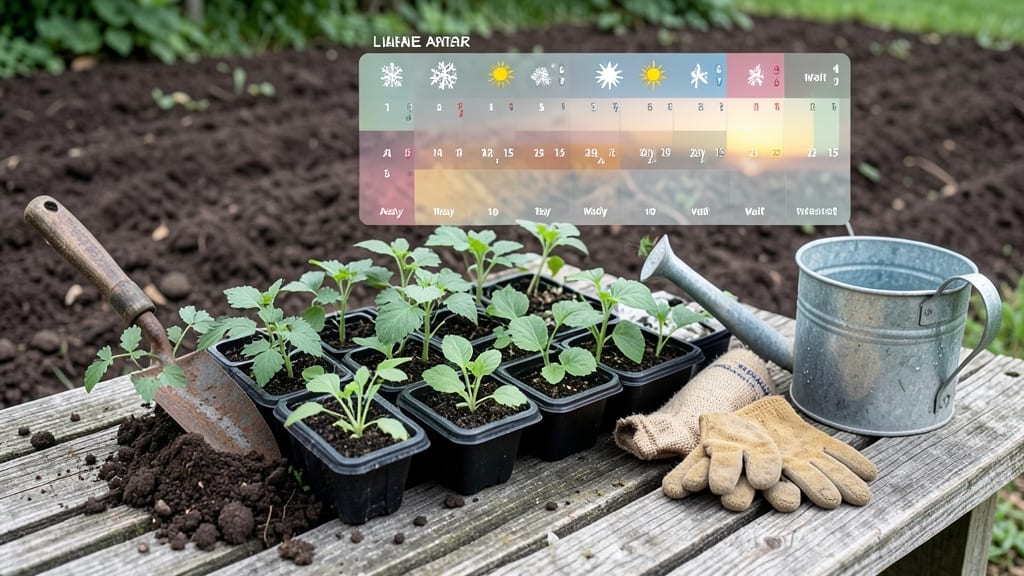
Timing your garden planting in Nebraska can feel like playing a high-stakes game of chance—one wrong move, and frost ruins your hard work before it even begins.
The key to success isn’t guessing; it’s knowing your county’s last frost dates, which can vary by 2-3 weeks from one end of the state to the other.
Whether you’re a first-time gardener or a seasoned grower, getting this right means the difference between a bountiful harvest and wasted effort. I’ll break down the exact planting windows for your region, so you can start seeds indoors or sow directly in the soil at the perfect moment—no more second-guessing.
Nebraska’s climate throws curveballs, from late spring freezes to early summer heat waves, but with the right strategy, you can work with Mother Nature instead of against her. Let’s dive into the county-specific frost dates and planting tips that’ll help your 🌱 garden thrive all season long.
From the Panhandle’s shorter growing season to the Southeast’s longer frost-free days, we’ll cover everything you need to know to plant with confidence. Ready to turn your garden dreams into reality? Let’s get started.
Nebraska’s last frost dates by county: a county-by-county planting timeline
Nebraska’s last spring frost dates vary dramatically across its 93 counties, with the Panhandle region often seeing frost 2-3 weeks earlier than the Southeast. These differences mean your planting window could shift from late April in Dawes County to mid-May in Sarpy County.
Understanding these variations helps you avoid frost damage to tender seedlings while maximizing your growing season.
For most Nebraskans, the average last frost date falls between April 15 and May 15, but microclimates—like urban heat islands or sheltered valleys—can push these dates by 5-7 days.
The USDA Plant Hardiness Zone Map divides Nebraska into zones 4a to 6a, but frost dates are more critical for gardeners than hardiness zones. I’ll break down the county-specific frost dates to help you plan with precision.
🌱 Did You Know? Nebraska’s first fall frost typically arrives between October 1 and November 1, with the Panhandle freezing earliest and the Missouri River valley lingering the longest. This means your fall planting window for cool-season crops like kale or spinach could be as short as 6 weeks in some areas.
| Region | Last Spring Frost | First Fall Frost | Growing Season Length |
|---|---|---|---|
| Panhandle (e.g., Dawes, Box Butte) | April 10–April 25 | September 25–October 10 | 140–160 days |
| West-Central (e.g., Hall, Lancaster) | April 25–May 5 | October 10–October 25 | 160–180 days |
| East-Central (e.g., Douglas, Sarpy) | May 5–May 15 | October 25–November 5 | 170–190 days |
| Southeast (e.g., Thurston, Cass) | May 10–May 20 | November 1–November 10 | 180–200 days |
🌡️ Note: Check your local cooperative extension office for yearly adjustments—2023 saw late-spring freezes shift dates by 2 weeks in some areas.
If you’re in the Panhandle, you can start warm-season crops like tomatoes or peppers as early as May 1, but gardeners in Southeast Nebraska should wait until May 20 to avoid frost damage.
For cool-season crops like lettuce or spinach, you can plant 4-6 weeks before your last frost date—so late March in the Panhandle or early April in the East.
Microclimates play a huge role in Nebraska. For example, Lincoln’s urban areas often warm up 3-5 days earlier than rural Lancaster County due to the heat island effect.
If you’re near a large body of water (like Lake McConaughy), your last frost date might be 5-7 days later than inland areas. Always observe your local microclimate by monitoring soil temperature—aim for 50°F for cool-season crops and 60°F for warm-season plants.
For fall planting, use the first frost date to work backward.
If your area frosts by October 25, you have about 60 days to grow fast-maturing crops like bush beans or radishes. Cold-hardy crops like kale or carrots can handle light frosts, so you can plant them 6-8 weeks before your first frost.
Pro tip: Use frost cloth or row covers to extend your
How to adjust planting dates for Nebraska’s unpredictable weather patterns
Nebraska’s climate throws curveballs—like the 2023 late-spring freeze that caught many gardeners off guard. When your last frost date shifts by 2-3 weeks, standard planting guides become useless. The key is flexibility: using 10-day forecasts, frost blankets, and cold-hardy varieties to stretch your growing season safely.
Start by checking the National Weather Service’s frost predictions for your county. Unlike fixed charts, these update weekly. For example, Lincoln’s average last frost is May 15, but in 2023, it hit May 30. Adjust by planting heat-loving crops like tomatoes only after 3 consecutive frost-free days.
Here’s how to adapt your timeline when frost dates fluctuate:
- 1 Wait for soil warmth: Use a soil thermometer—most veggies need 50°F+ for roots to thrive. In Nebraska’s Panhandle, this can mean waiting until mid-May even if frost risk drops.
- 2 Layer frost blankets: For early starts, cover seedlings with frost cloth rated for -25°F. This buys you 2-3 extra weeks for cool-season crops like peas or spinach in USDA Zone 5 areas.
- 3 Pick fast-maturing varieties: In short-season zones (e.g., Southeast NE), choose 45-day tomatoes like ‘Early Girl’ over 75-day heirlooms. Check seed packets for “days to maturity” labels.
- 4 Stagger plantings: Sow half your seeds at the “safe” date, then repeat in 10-day intervals. This spreads harvests and reduces risk if a late frost hits one batch (e.g., 2022’s June freeze in Omaha).
- 5 Monitor 10-day forecasts: If a cold snap is predicted, move potted plants indoors or under greenhouse plastic. For in-ground crops, use row covers for nights below 32°F.
Don’t rely solely on average frost dates. For instance, Scotts Bluff County (Panhandle) saw its last frost shift from April 20 to May 5 over the past decade. Use local gardeners’ Facebook groups or Nebraska State Climate Office data to refine your timeline.
For fall planting, Nebraska’s first frost can arrive as early as October 1 in the Southeast but linger until November 15 in the Northwest. Plant cold-hardy crops like kale or radishes 6 weeks before your expected frost date, using row covers to extend harvests into winter.
Pro tip: Keep a gardening journal to track your actual frost dates each year. Over time, you’ll spot patterns—like how La Niña years often delay spring frosts in Central Nebraska. Adjust your schedule accordingly to beat Nebraska’s weather instead of fighting it. 🌱