
Planting
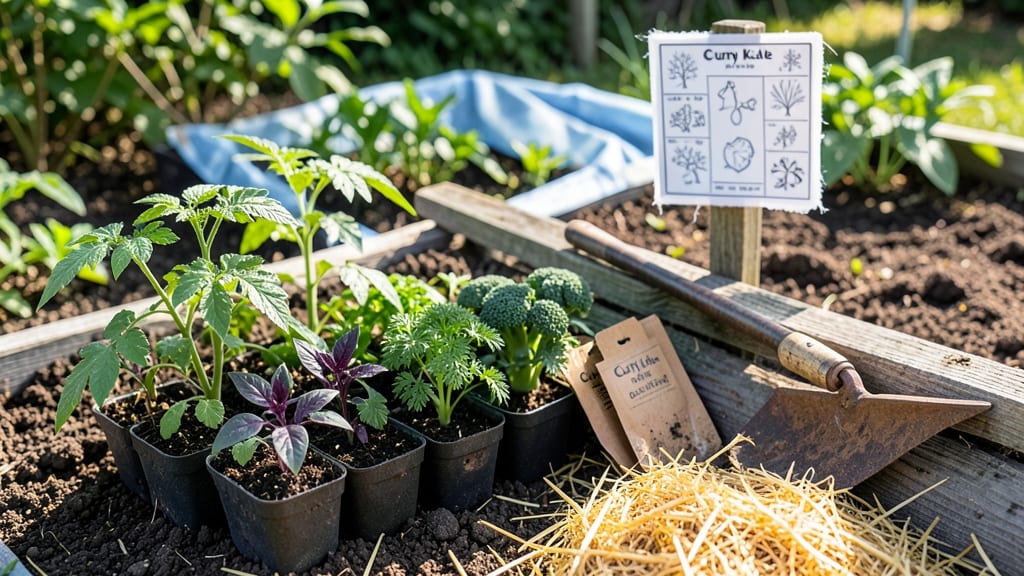
Timing your garden planting in Maine isn’t just about following a calendar—it’s about beating the frost, whether you’re coastal or inland. With last frosts creeping into mid-May and first frosts arriving by mid-October, one wrong move could mean wilted seedlings or wasted seeds.
The good news? Knowing your zone and using frost-date tools turns guesswork into a reliable harvest.
I’ve spent years testing planting windows in 5b-6b zones, and the difference between success and failure often comes down to 30 days—sometimes less. Coastal gardens enjoy slightly longer growing seasons, while inland areas face earlier frosts.
Let me show you how to pinpoint the perfect window for your 🌱 General Garden, whether you’re sowing cold-hardy peas in April or rushing fall crops in July.
This isn’t just theory—it’s actionable advice. You’ll learn how to adjust for soil temperature, use free frost calculators, and pick the 5 most resilient crops for Maine’s short season. No more second-guessing when to plant; just a clear, zone-specific roadmap to a thriving garden.
Ready to stop gambling with your seeds? Let’s dive into the exact dates, tools, and tricks that’ll have your garden flourishing—no matter where in Maine you’re growing.
Maine’s frost dates by zone: coastal vs inland planting timelines
Maine’s USDA zones 4a–6b create dramatic differences in frost dates between coastal areas and inland regions. Coastal zones like Zone 5b (Portland) often see last frosts by May 15, while inland Zone 4a (Presque Isle) can wait until June 1.
These variations mean your planting windows must adapt—or risk frost damage.
Understanding these microclimates is critical. Coastal areas benefit from warmer ocean breezes, delaying first frosts until October 10–15, while inland zones may face frost as early as September 20.
For vegetables like tomatoes or peppers, this means fall planting must happen by July 15 inland versus August 1 coastal.
Here’s how to navigate Maine’s frost-date maze with precision:
For perennials like daylilies or hostas, coastal gardeners can plant as early as April 15, while inland zones should wait until May 1. The key is soil temperature: aim for 50°F or warmer before planting heat-loving annuals like marigolds or zinnias.
Pro tip: Use row covers to extend your spring planting by 2–3 weeks in Zone 4a. For coastal zones, prioritize late-summer crops like kale or spinach, which thrive in cooler fall temperatures.
Maine’s short growing season demands strategy. Start cold-hardy crops like peas or radishes indoors by March 1 for a jumpstart. Inland gardeners should focus on fast-maturing varieties (e.g., bush beans in 50 days) to beat the first frost.
Don’t forget microclimates within your yard! South-facing slopes warm up 2–3 weeks earlier than shaded areas. Place heat-loving plants near stone walls or fences to capture extra warmth.
For flowers, coastal zones can plant petunias or geraniums by May 1, while inland zones should wait until June 1. Perennials like coneflowers or black-eyed Susans are safer bets for Zone 4a, as they handle late frosts better.
Track your local frost dates using the University of Maine Cooperative Extension’s frost calculator. Adjust planting dates by 1–2 weeks if you’ve had early frosts in past years. Succession planting every 2 weeks ensures a steady harvest of leafy greens or carrots.
Remember: Maine’s frost dates are averages—always have row covers or frost cloth on hand for late-May surprises. With
How to use a frost-date calculator for Maine gardens (step-by-step)
Maine’s frost dates shift dramatically between coastal and inland areas, so using a frost-date calculator is your best tool for precision planting.
I rely on the National Weather Service’s Frost Calculator to adjust my schedule—it accounts for your exact location, elevation, and microclimates that can add or subtract weeks from your growing season.
Start by entering your zip code or nearest town into the calculator. For example, Portland’s coastal zone averages a last frost around May 10, while Presque Isle’s inland zone might see frost lingering until May 25.
These differences mean the timing for planting tomatoes or peppers could vary by 3+ weeks!
Next, input your elevation—even a 500-foot difference can delay frost by 1–2 weeks. Higher elevations (like Mount Katahdin) cool faster, while valleys (like Augusta) retain heat longer.
The calculator then generates your average last frost date and first frost date, which I use to plan my warm-season crops.
Once you have your frost dates, subtract the days to maturity for each plant. For instance, bush beans take 50–60 days to harvest, so I plant them 60 days before my first frost (around August 10 for most of Maine).
For cool-season crops like spinach, I add 4–6 weeks before the last frost to ensure they germinate in 50°F soil.
Don’t forget to account for succession planting—this lets you stagger crops like lettuce or radishes every 2 weeks for a continuous harvest.
I use the calculator’s frost dates to mark my planting intervals, ensuring I don’t miss the window for fall crops like kale or carrots, which can handle light frosts.
Pro tip: Bookmark the University of Maine Cooperative Extension’s frost maps for real-time adjustments. Their data helps me fine-tune my schedule when the calculator’s averages don’t match my garden’s performance. With this tool, you’ll never guess your planting dates again—just follow the science!