
Planting
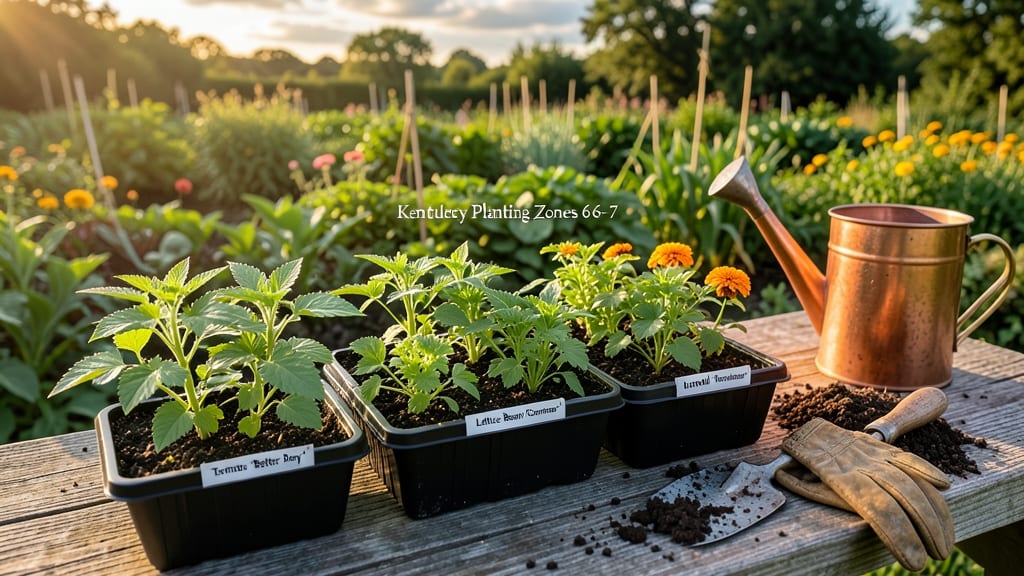
When to plant a garden in Kentucky isn’t just about the calendar—it’s about avoiding frost traps and heat spikes that can ruin your 🌱 General Garden Vegetables before they even sprout. With last frost dates creeping from mid-April in the Bluegrass to late April in the Appalachians, planting too early or late means the difference between a bumper crop and a sad, wilted mess.
I’ve spent years testing planting windows across USDA Zones 6a-7a, and the secret isn’t guessing—it’s knowing your microclimate. Whether you’re in humid Louisville or the cooler highlands near Pikeville, the right timing ensures your tomatoes thrive while your lettuce doesn’t bolt in the heat.
Let’s cut through the confusion and get you planting with confidence.
You’ll discover the exact spring and fall windows for Kentucky’s most popular crops, plus how to adjust for your specific county. No more second-guessing—just a clear, actionable plan to turn your garden dreams into reality, no matter where you live in the state.
Ready to grow like a pro? I’ll walk you through the key dates, soil prep tricks, and even how to use UK Extension resources to fine-tune your schedule. Your best harvest starts with the right start—let’s make it happen.
Kentucky planting zones & microclimate-specific dates by county
Kentucky spans USDA Hardiness Zones 5a through 7a, with dramatic shifts in frost dates between the Bluegrass Region and Appalachian highlands. In northern counties like Rowan County (Zone 5b), gardeners face 2-3 weeks earlier last frosts than in Henderson County (Zone 7a) along the Ohio River.
These differences mean your cool-season crops like spinach or warm-season staples like tomatoes need precise timing to thrive.
To simplify, I’ve mapped last frost dates and optimal planting windows for Kentucky’s most common gardening regions.
For example, Lexington (Zone 6b) typically sees its last frost around April 10-15, while Pikeville (Zone 6a) waits until April 25—a 2-week difference that can make or break your tomato harvest. Let’s break down the specifics by county clusters.
For cool-season crops like lettuce, peas, and kale, plant 4-6 weeks before your area’s last frost. In Zone 6a (e.g., Pikeville), that means mid-March for early varieties.
Meanwhile, warm-season crops like tomatoes, peppers, and cucumbers need soil temperatures above 60°F, which typically arrives 2-3 weeks after your last frost. In Lexington (Zone 6b), that’s mid-May—but in Paducah (Zone 7a), you can start early April.
Microclimates add another layer. South-facing slopes in Boone County warm up 1-2 weeks earlier than nearby valleys, while river valleys like Green River hold frost longer. Use local weather stations (like Kentucky Mesonet) to fine-tune your schedule.
For example, Bowling Green (Zone 7a) often sees earlier last frosts than Maysville (Zone 6b), just 50 miles away.
Fall planting follows a similar pattern. First frost dates range from October 10 (Zone 7a) to October 25 (Zone 5b). For cool-season crops like broccoli or carrots, aim to plant 8-10 weeks before your first frost.
In Hopkinsville (Zone 7a), that’s mid-August, while Corbin (Zone 6a) waits until early September. Extending your harvest by a few weeks means more homegrown food and less store-bought!
Pro tip: Use row covers to push cool-season planting 2-3 weeks earlier in Zone 6a or protect late tomatoes from early fall frosts in Zone 7a
How Kentucky’s microclimates affect your planting schedule
Kentucky’s microclimates create dramatic differences in planting schedules—sometimes 30 days or more between neighboring regions. The urban heat island effect in Louisville can push last frost dates 2 weeks later than rural areas, while the Ohio River valley near Paducah stays warmer longer.
These variations mean one-size-fits-all planting charts won’t work here.
Your elevation plays a huge role too. Mountainous regions like Letcher County (USDA Zone 6a) often have cooler soils and later planting windows compared to Western Kentucky’s Zone 7a areas.
Even soil composition matters—clay-heavy soils in Bowling Green retain heat longer, while sandy soils in Northern Kentucky warm up faster in spring.
| Factor | Impact on Planting | Adjustment Tip |
|---|---|---|
| Urban Heat (Louisville) | Last frost 2-3 weeks later than rural areas | Plant warm-season crops 1 week earlier |
| River Valleys (Paducah) | Soil warms 10-14 days faster | Start seeds indoors 2 weeks earlier |
| Mountain Regions (Pikeville) | Last frost 1-2 weeks later | Use row covers for early crops |
| Clay Soils (Bowling Green) | Soil stays cooler longer | Add compost to improve warmth |
| Sandy Soils (Northern KY) | Warms up 7-10 days faster | Plant heat-loving crops earlier |
To pinpoint your exact planting window, check local frost records from the Kentucky Mesonet or UK Extension. For example, Lexington’s average last frost is April 10, while Hopkinsville’s is April 24.
Use these dates to calculate when to plant cool-season crops (4-6 weeks before last frost) and warm-season crops (2-3 weeks after).
For urban gardeners, microclimate mapping can save your plants. If your yard is surrounded by concrete or pavement, it’ll stay warmer—plant tomatoes and peppers 1 week earlier than rural guidelines suggest. Meanwhile, shady microclimates under trees may need slow-to-warm soil amendments like black plastic mulch.
Always monitor your garden’s actual conditions, not just the calendar. If your soil hasn’t reached 60°F by your county’s average last frost date, wait another week before planting warm-season vegetables. A simple soil thermometer ($10 at garden centers) is worth its weight in healthy transplants.
Remember: Kentucky’s fall planting window is equally variable. Northern counties can plant cool-season crops until September 15, while Southern regions often extend this until October 1. Check 30-year frost averages from your local Cooperative Extension office for the most reliable guidance.