
Planting
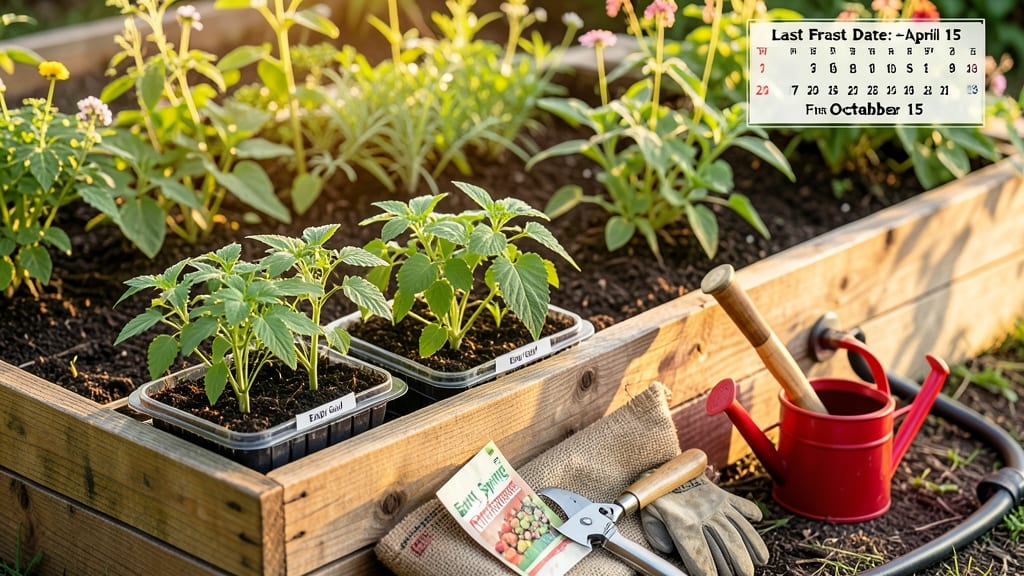
Timing your garden planting in East Tennessee can make or break your harvest—get it wrong, and you risk frost damage or stunted growth. With USDA zones 6b-7a and microclimates ranging from mountain valleys to warmer ridges, knowing when to plant 🌱 General Gardening is everything.
Most gardeners here follow the classic March-May spring window, but elevation shifts frost dates by weeks. For example, Knoxville’s last frost typically hits mid-April, while higher elevations in the Smokies may wait until late April.
That’s why I’ve broken down the exact timing for cool-season crops like peas and spinach versus warm-season favorites like tomatoes and peppers.
You’ll also discover how to extend your growing season with row covers or adjust for late frosts—critical when unpredictable weather threatens your hard work. Whether you’re a first-time gardener or a seasoned pro, these microclimate-specific tips will help you plant with confidence and maximize your yields.
Ready to turn your East Tennessee garden into a thriving oasis? Let’s dive into the best planting calendar and strategies tailored just for your zone.
East Tennessee planting zones & microclimate-specific frost dates
East Tennessee spans USDA Hardiness Zones 6b-7a, creating dramatic shifts in planting windows across just 100 miles. The Great Smoky Mountains can be 3-5°F cooler than valley floors, while Asheville’s ridges often enjoy 2-4 weeks earlier last frost dates than Knoxville’s lowlands.
Understanding these microclimates is key to avoiding frost damage and maximizing your garden’s potential.
Knoxville’s average last frost date falls around April 15, while Asheville typically sees its final freeze by April 1. Higher elevations in the Smokies may experience frost as late as May 10, delaying spring planting by 3-4 weeks.
These variations mean cool-season crops like broccoli can thrive in valleys while warm-season tomatoes may need row covers in mountain gardens.
First frost dates also shift dramatically: Knoxville averages October 15, while mountain areas like Clingmans Dome can see frost as early as September 20. This 6-week window for frost-free growing means careful planning is essential for fall planting—especially for heat-sensitive crops like basil or cucumbers.
Elevation isn’t the only factor—topography matters too. South-facing slopes warm up 2-3°F faster than north-facing areas, creating microclimates even within the same yard. A ridge garden might support peppers and eggplants when valley gardens are still too cool for these warm-season staples.
| Location | USDA Zone | Avg Last Frost | Avg First Frost | Planting Adjustment |
|---|---|---|---|---|
| Knoxville (Valley) | Zone 7a | April 15 | October 15 | Plant warm crops by April 20 |
| Asheville (Ridge) | Zone 6b-7a | April 1 | October 20 | 2 weeks earlier than Knoxville |
| Great Smoky Mtns (3,000+ ft) | Zone 6b | May 10 | September 20 | Delay planting by 3-4 weeks |
| Chattanooga (Nearby) | Zone 7b | April 10 | October 25 | 1 week earlier than Knoxville |
For cool-season crops like lettuce or peas, I recommend planting 4-6 weeks before your last frost date.
In Knoxville, that means mid-March, while mountain gardeners should wait until late April. Warm-season crops like tomatoes and peppers need soil temperatures above 60°F—typically mid-May in valleys but June 1 in higher elevations.
One of my biggest lessons? Mountain fog can delay warming in spring, even after official frost dates. I’ve seen tomato seedlings planted in mid-April get nipped by unexpected frost in valley gardens. Row covers or a cold frame can extend your planting window by 2-3 weeks in these tricky conditions.
Fall planting requires similar precision.
In Knoxville, I start heat-loving crops like sweet potatoes in mid-July, while cooler mountain areas can wait until early August. Broccoli and kale, however, can handle light frosts and should be planted by August 15 in valleys or September 1 in higher zones.
Local extension offices like UT’s Knox County Ag Center provide updated frost data yearly—always check their frost-free date maps before planning. I also use soil thermometers to confirm when temperatures are safe for warm-season transplants, as surface air temps can mislead.
Remember: Microclimates create winners and losers in East Tennessee gardens. A neighbor’s successful tomato crop might fail in your yard—and vice versa—due to just a 500-foot elevation change. Pay attention to your specific conditions, and don’t hesitate to start seeds indoors for a head start on your planting schedule.
Best planting calendar for East Tennessee vegetables & flowers
Timing is everything in East Tennessee’s garden—where a 2-week delay can mean the difference between a bumper crop and a sad, wilted disappointment. The key is matching your plant’s needs with the region’s three distinct seasons: cool springs, hot summers, and mild falls.
Let’s break down the best months to plant your favorites, from leafy greens to tomatoes and everything in between.
For cool-season crops like kale, spinach, and peas, start sowing seeds 4-6 weeks before your area’s last frost date—typically late February to early March. These hardy plants can handle light frosts and even thrive in 50°F soil, making them perfect for East Tennessee’s early spring.
Just be ready to cover them if unexpected late frosts hit after April 15.
Warm-season crops like tomatoes, peppers, and squash need to wait until the soil warms to at least 60°F—usually mid-April to early May in most of East Tennessee. If you’re in higher elevations (like the Smoky Mountains), hold off until late May to avoid chilly soil shocking young plants.
Pro tip: Use a soil thermometer to check—it’s the most accurate way to know when it’s safe to plant.
🌱 Cool-Season Crops
☀️ Warm-Season Crops
🌼 Flowers & Herbs
Don’t overlook fall planting—it’s a gardener’s secret weapon in East Tennessee. Many cool-season crops thrive when planted in August or early September, giving you a second harvest before frost.
Try kale, carrots, and radishes for a crisp fall garden. Just remember: soil prep is key—amend beds with compost in late summer to give roots a head start.
If you’re itching to grow heat-loving plants like okra or sweet potatoes, consider succession planting in late June or July. These varieties can handle East Tennessee’s humid summers and even extend your harvest into early October.
For extra protection, use shade cloth during peak afternoon heat to keep plants from wilting.
Pro tip: Keep a gardening journal to track your local microclimate’s quirks. Note when your last frost hits or when soil warms up—this data becomes your personalized planting guide over time.
And if you’re unsure, ask your local nursery for their frost date observations—they’re your best resource for East Tennessee-specific advice.