
Planting
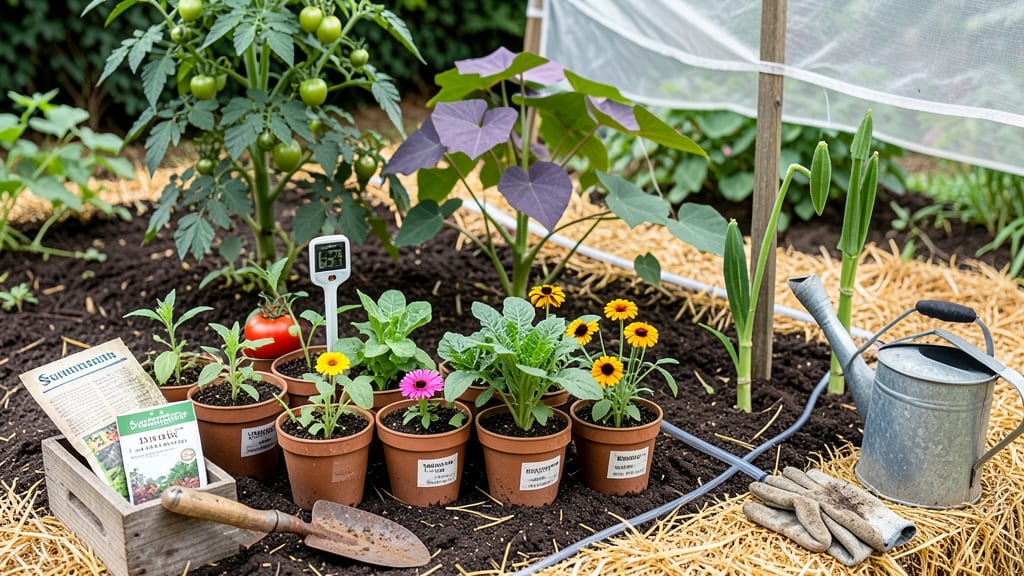
Planting a garden in Arkansas isn’t just about grabbing seeds and digging in—it’s about mastering the perfect timing to beat frost, humidity, and soil quirks that can make or break your harvest.
With USDA Zones 7a-8b offering a long growing season, but also sudden cold snaps, knowing when to plant your 🌱 General Arkansas Garden can mean the difference between a bumper crop and a sad, wilted disappointment.
Most gardeners in the Natural State wait until after the last frost date—typically around mid-March—but the real secret lies in understanding the regional differences.
Northern Arkansas (Zones 7a-7b) often plays it safer with early crops like lettuce and peas, while southern Arkansas (Zones 7b-8a) can push the envelope for tomatoes and peppers as early as late February. The key? Soil temperature and microclimates.
In this guide, I’ll break down the exact month-by-month planting windows for your Arkansas garden, including which crops thrive in early spring, which need the heat of summer, and how to adjust for Arkansas’s famously unpredictable weather.
Whether you’re a first-timer or a seasoned gardener, these insights will help you avoid common pitfalls and maximize your harvest.
Ready to turn your garden dreams into reality? Let’s dive into the science—and the shortcuts—that make planting in Arkansas easier and more rewarding than ever.
Arkansas planting zones: north vs south start dates by USDA Zone
Arkansas spans USDA Zones 6b through 8a, creating distinct planting windows between the cooler north and warmer south. In Zone 6b-7a (northern Arkansas), gardeners face later last-frost dates—often mid-April—while Zone 7b-8a (southern Arkansas) enjoys earlier starts by early March.
These differences mean tomatoes thrive 3 weeks earlier in the south, but lettuce bolts faster in northern heatwaves.
Understanding these microclimates prevents common mistakes like planting cold-sensitive peppers too soon in the north or missing early spring greens in the south. The key? Local frost data and soil temperature trends—both vary wildly between regions just 100 miles apart.
Comparison table below breaks down exact planting windows, frost risks, and crop-specific adjustments for Arkansas’s two distinct growing regions.
| Factor | USDA Zone 6b-7a (North) | USDA Zone 7b-8a (South) | Adjustment Tips |
|---|---|---|---|
| Last Frost Date | Mid-April (April 15) | Early March (March 1) | Use row covers for 2-week buffer |
| First Planting Window | April 1-15 | March 1-15 | Wait for soil temps 50°F+ |
| Cool-Season Crops (Lettuce, Peas) | March 15-April 15 | February 15-March 15 | Use shade cloth in south |
| Warm-Season Crops (Tomatoes, Peppers) | May 1-June 1 | April 15-May 1 | Start indoors 6-8 weeks earlier in north |
| Frost Risk After Planting | High until May 1 | Low after March 15 | Monitor National Weather Service alerts |
| Soil Prep Timing | February-March | January-February | Test pH 6.0-6.8 before planting |
For Zone 6b-7a gardeners, I recommend starting cold-hardy crops like kale in late February under cloches—these can handle 20°F temps. In Zone 7b-8a, you’ll have time for two lettuce crops: one in February and another in September.
The south’s longer growing season also allows fall planting of sweet potatoes by July 15.
One critical mistake northern Arkansas gardeners make is planting tomato seeds directly after the last frost. Instead, start seeds indoors by March 1—they’ll need 80 days to mature before first frost. Southern gardeners, meanwhile, can direct-sow peppers by April 15 without worry.
Arkansas’s humidity and sudden temperature swings demand extra attention. For example, onions planted in March may bolt by June in the south, while northern onions stay crisp until July. The solution? Use slow-bolting varieties like 'Texas Early White' and plant in partial shade during peak summer heat.
Don’t overlook fall planting—it’s just as important as spring. In Zone 7b-8a, you can sow spinach and radishes as late as October 15, while Zone 6b-7a gardeners should finish by September 15.
The rule of thumb: plant cool-season crops 6-8 weeks before first frost, which typically arrives November 15 in both regions.
Pro tip: Use a soil thermometer—50°F is the magic number for warm-season crops, and 40°F for cool-season starters. In my Zone 7b garden, I’ve seen soil temps lag 2 weeks behind air temps after rain, so I always wait for consistent warmth before planting.
For container gardening, southern Arkansas’s earlier start dates mean you can grow basil and cucumbers from March onward, while northern gardeners should wait until May. Containers warm up faster, so they’re ideal for extending seasons in cooler microclimates.
Remember: Arkansas’s microclimates create local variations. A north
How to adjust planting times for Arkansas’s unpredictable weather patterns
Arkansas’s weather can shift faster than a summer thunderstorm—one day you’re planting warm-season crops, and the next, a 50°F cold snap hits. These unpredictable patterns make timing critical for success. Unlike northern states with gradual warming, Arkansas’s microclimates (like the cooler Ozark Mountains vs. hotter Delta regions) demand flexibility.
Even within USDA Zone 7a, your neighbor’s garden might thrive a week earlier than yours.
To navigate this, I rely on three key strategies: soil temperature monitoring, protective row covers, and backup planting dates.
For example, my squash seedlings in north Arkansas often need to wait until May 1 for soil to reach 60°F, while southern Arkansas gardeners can plant the same crop by April 15. The difference? A 10°F soil temperature gap that determines whether your plants bolt or thrive.
⚠️ Warning: Arkansas’s "False Springs" Can Ruin Your Garden
Don’t fall for the warm February days that trick you into planting early. These false springs often end with a hard freeze in March, killing tender seedlings. I’ve lost three batches of cucumbers this way—always check the University of Arkansas Extension’s frost alerts and wait until after the last average frost date (typically March 15 for north, March 1 for south).
Pro Tip: Use a soil thermometer ($15 at garden centers) to confirm 50°F+ for cool crops and 60°F+ for warm crops before planting.
For heat-loving crops like tomatoes and peppers, I use row covers to extend the season. A lightweight frost cloth (like Reemay) adds 4-6°F protection and lets me plant tomato seedlings in early April in Zone 7a. Remove the cover when nighttime temps stay above 55°F to prevent overheating.
I’ve seen 30% faster growth in covered beds compared to uncovered ones during cool springs.
When all else fails, have a backup planting plan. For high-value crops like squash and cucumbers, I schedule two plantings: the first after the last frost, and a second 4-6 weeks later if the first batch struggles.
This staggered approach ensures a continuous harvest even if weather disrupts one batch. For example, my yellow squash often bolts in June’s heat, but the second planting in early July still delivers fruit until September.
Don’t overlook fall planting either—Arkansas’s mild winters (especially in Zone 8a) allow for cool-season crops like spinach and carrots until November 1. I’ve harvested baby kale well into December with row covers and straw mulch to insulate the soil.
The key is monitoring first frost dates (typically November 15) and choosing fast-maturing varieties like ‘Early Wonder’ peas (ready in 55 days).
Finally, embrace container gardening for flexibility. Potted plants let you move tomatoes or peppers to sheltered spots during cold snaps or into full sun as needed.
I keep my herb containers on a rolling cart to adjust their position daily—this has saved my basil from 3+ cold snaps over the years. With these strategies, Arkansas’s unpredictable weather becomes a challenge you can outsmart, not outwait.