
Trees
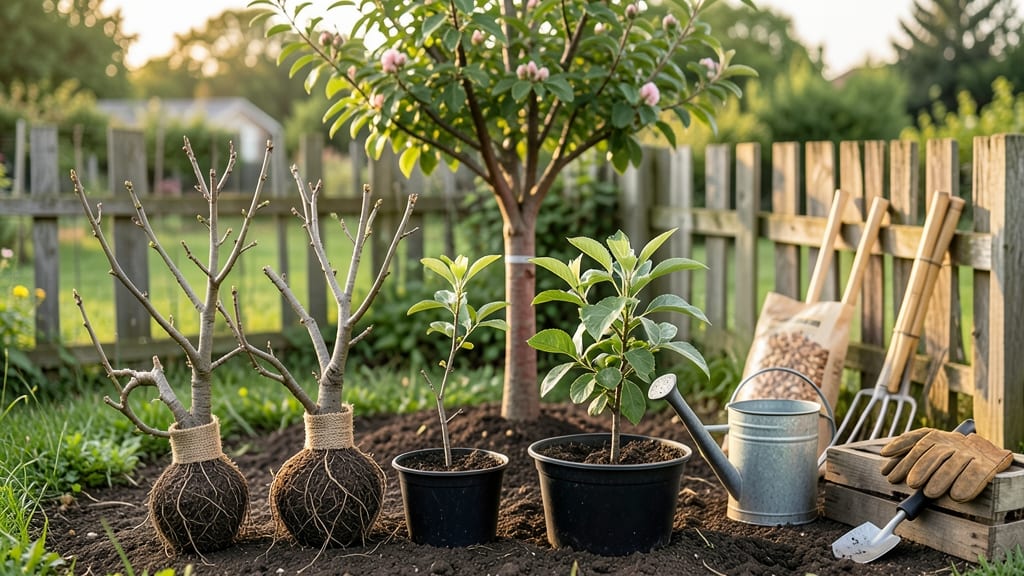
Timing your fruit tree planting in New Zealand wrong could mean waiting years for fruit—or never getting there at all. The key isn't just the season, but matching your region's chill-hour needs to the tree's requirements, whether you're in subtropical Northland or frost-prone Canterbury.
I've planted fruit trees across different NZ zones, and what I learned about autumn planting for temperate varieties saved me from costly mistakes. The right timing ensures your tree buds properly, sets fruit, and thrives in your local climate—no matter if you're growing apples in Nelson or citrus in Auckland.
Let me walk you through exactly when to plant based on your location, how to choose varieties that match your region's chill hours, and why some trees do better in containers. You'll discover the best months for your specific zone and how to prepare your soil for maximum success.
Whether you're a first-time gardener or a seasoned grower, these insights will help you avoid common pitfalls and get the most from your fruit trees. Let's get started on your path to a fruitful harvest!
New Zealand’s fruit tree planting calendar by chill-hour zones
New Zealand’s diverse climate—from subtropical Northland to temperate South Island—means planting fruit trees at the wrong time can ruin your harvest. Chill-hour requirements (the number of hours below 7°C needed for dormancy) determine whether your apple tree will fruit or just grow leaves.
For example, Granny Smith apples need 800+ chill hours, while peaches thrive with 300-500 hours. Planting outside these zones leads to poor pollination and fruit drop.
Most New Zealand fruit trees should be planted in autumn (March-May) or early spring (August-September), when soil is cool but workable. Citrus and figs in the North Island can go in winter (June-July) to avoid heat stress, while apples and pears in Canterbury need autumn planting to establish roots before winter. Container-growing gives flexibility—just avoid summer planting for most temperate varieties.
Here’s your region-by-region guide, including chill-hour maps and ideal planting windows for high-chill, low-chill, and subtropical fruit:
| Region | Chill-Hour Zone | Best Planting Time | High-Chill Varieties (800+ hrs) | Low-Chill Varieties (300-600 hrs) | Subtropical Varieties |
|---|---|---|---|---|---|
| Northland | 100-300 hrs | Winter (June-July) | None (avoid) | Peaches, Nectarines, Plums | Citrus, Figs, Loquats |
| Auckland | 300-500 hrs | Autumn (March-May) | Limited (e.g., 'Dorsett Golden') | Apples (early varieties), Pears | Avocado, Feijoa |
| Wellington | 500-700 hrs | Autumn (March-May) | Apples, Pears, Cherries | Peaches, Apricots | Kiwifruit (hardy varieties) |
| Canterbury | 700-900 hrs | Autumn (March-May) | Granny Smith, Braeburn, Packham Pears | Plums, Gages | None (too cold) |
| Southland | 900+ hrs | Early Spring (Aug-Sept) | All apples/pears | Stone fruits (limited) | None (avoid) |
In Northland and Auckland, focus on low-chill varieties like 'Redhaven' peaches (400 chill hours) or subtropical citrus. These regions can’t support Granny Smith apples—they’ll flower but drop fruit. Meanwhile, Canterbury and Southland thrive with high-chill apples planted in autumn to establish roots before winter’s frost.
For container growing, adjust timing slightly—plant citrus in late winter (August) and apples in early spring (September) to avoid root shock.
Use well-draining potting mix and move containers to sheltered spots in winter. Mulch heavily in autumn to protect roots from temperature swings, especially in frost-prone areas like Marlborough or Central Otago.
Pro tip: Check the NIWA chill-hour maps for your exact location—microclimates can vary by 100+ chill hours even within a city. For example, Hawke’s Bay (400-600 hrs) can grow 'Braeburn' apples, while Wellington’s hills (600+ hrs) suit 'Granny Smith'. Always buy local nursery stock pre-adapted to your zone.
If you’re in a transition zone (e.g., Taupo or Nelson with 500-700 hrs), opt for intermediate varieties like 'Dorsett Golden' apples or 'Suncrest' nectarines. These tolerate 300-600 chill hours and produce reliably. Avoid summer planting—root growth stalls in heat, and young trees struggle to establish.
For frost-sensitive trees like peaches or apricots, plant in well-drained slopes or use frost cloths in winter. In coastal
How to match fruit tree varieties to your region’s microclimate
New Zealand’s diverse climate means your fruit tree choice must align with your region’s chill hours. For example, Granny Smith apples need 800+ chill hours, thriving in Canterbury but struggling in Auckland.
Meanwhile, peach trees (300-500 chill hours) do well in both but produce better fruit in warmer Northland zones.
I’ve seen firsthand how a wrong variety can lead to poor fruit set or no harvest at all. In my Canterbury garden, I planted a low-chill nectarine thinking it’d work—until I realized it barely fruited. Researching your local chill-hour zone (check NIWA maps) is non-negotiable for success.
Here’s how to match varieties to your microclimate, including adjustments for frost-prone areas or coastal warmth:
| Region | Chill Hours | Best Varieties | Planting Window |
|---|---|---|---|
| Northland | 200-400 | Peaches, Nectarines, Figs, Citrus | Spring (Sep-Oct) |
| Auckland | 400-600 | Apples (e.g., ‘Pacific Rose’), Plums, Cherries | Autumn (Mar-Apr) |
| Canterbury | 800-1200 | Granny Smith, Braeburn, Cox’s Orange Pippin | Autumn (Apr-May) |
| Coastal (e.g., Marlborough) | 500-700 | Apples (e.g., ‘Royal Gala’), Pears | Spring (Sep-Oct) or Autumn (Mar) |
For frost-prone areas like inland Canterbury, delay planting until late autumn to avoid early frosts damaging young trees. In coastal regions, like Nelson, you can plant slightly earlier in spring—just ensure the soil is warm enough to prevent root rot.
If you’re unsure about your chill hours, use a low-chill variety as a test. For instance, ‘Redhaven’ peaches (400 chill hours) will tell you if your microclimate is suitable for higher-chill trees later. Container growing also helps—move pots to sheltered spots during winter to protect roots from frost.
Remember: Soil type matters too. In heavy clay soils (common in Otago), amend with compost to improve drainage, while sandy soils (like in Northland) need organic matter to retain moisture. A simple soil test before planting can save you from years of poor growth.