
Plants
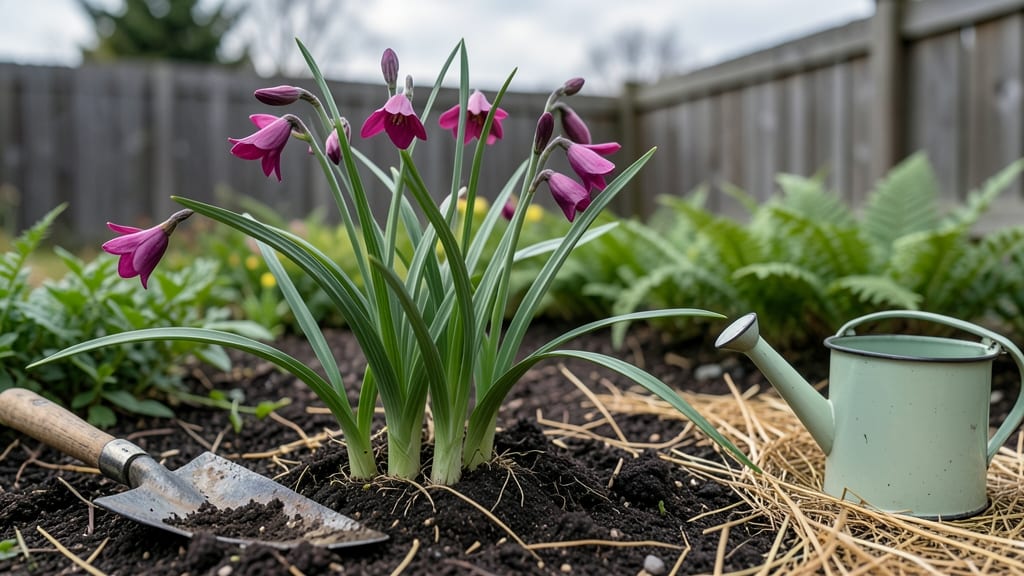
Planting freesias in Melbourne’s mild autumn months is the secret to vibrant spring blooms—🌸—without the risk of frost damage ruining your efforts. Unlike other flowers that demand precision, freesias actually thrive when planted in the cooler months, giving them time to establish roots before summer’s heat arrives.
If you’ve ever wondered why some gardeners swear by autumn planting, it’s because Melbourne’s climate—with its 9b USDA zone—creates the perfect window between August and September.
This timing ensures your bulbs avoid early frosts while still benefiting from the soil’s natural warmth, setting the stage for stunning displays come spring.
What makes freesias especially forgiving is their adaptability to Melbourne’s microclimates, whether you’re in a coastal area or inland. The key is choosing the right spot—well-draining soil and partial shade can make all the difference in preventing bulb rot, a common issue in Melbourne’s heavy clay soils.
Ready to transform your garden? I’ll walk you through the exact steps to plant freesias for maximum impact, including soil prep, bulb spacing, and how to protect them from Melbourne’s unpredictable weather. Let’s get those 🌸 blooms growing!
Best autumn planting dates for freesias in Melbourne’s climate zones
Melbourne’s cool temperate climate creates the perfect autumn window for freesias—March to early April. This timing ensures your bulbs establish roots before summer heat arrives, while avoiding late frosts that can damage emerging shoots.
The key is planting when soil temperatures reach 10°C (50°F) consistently, which typically aligns with Melbourne’s late March average.
For coastal areas like Brighton or St Kilda, where temperatures are milder, you can start as early as late February. Inland regions like Melton or Bendigo may need to wait until early April to avoid residual frost risks.
Always check your local Bureau of Meteorology frost forecasts before planting.
Freesias thrive in Melbourne’s autumn because the cooler weather reduces stress on bulbs, while the increasing daylight triggers robust growth.
Planting too early (before March) risks frost damage, while waiting too long (after April) may result in weaker spring blooms due to summer heat arriving too soon.
🌱 Melbourne Freesia Planting Timeline
| Zone | Ideal Planting Window | Soil Temp | Key Consideration |
|---|---|---|---|
| Coastal (e.g., St Kilda) | Late February–Early March | 10–12°C | Milder microclimate, lower frost risk |
| City (e.g., Melbourne CBD) | March–Early April | 12–14°C | Urban heat islands may delay frost |
| Inland (e.g., Bendigo) | Early–Mid April | 14–16°C | Higher frost risk; wait for stable warmth |
🌡️ Pro Tip: Use a soil thermometer to confirm temperatures before planting.
Adjust your planting date if Melbourne experiences an unusually warm autumn. If soil temperatures exceed 18°C (64°F) before March, delay planting until conditions stabilize. This prevents bulbs from sprouting too early, which can exhaust their energy reserves before flowering.
For container gardening in Melbourne’s apartments, you can plant freesias 2–3 weeks earlier than ground plantings. Containers warm up faster and are less affected by soil temperature fluctuations. Just ensure your pots have drainage holes to prevent waterlogging, a common issue in Melbourne’s heavy clay soils.
If you miss the ideal window, don’t panic! Freesias can still be planted in late April, though you may need to use frost blankets for protection.
The trade-off is smaller blooms, but they’ll still add color to your garden. For the best results, aim for that March–early April sweet spot.
Combine freesias with other autumn-planted bulbs like daffodils or iris to create a layered spring display. These companions thrive in similar conditions and extend your garden’s bloom time. Just ensure they’re spaced 6 inches apart to avoid competition for nutrients.
After planting, mark your freesia beds with biodegradable plant tags to track their progress. This helps you monitor growth and adjust watering as needed. In Melbourne’s variable climate, consistent moisture is key—especially during spring’s unpredictable rains.
For a foolproof approach, plant freesias in raised beds filled with a mix of potting soil and coarse sand. This improves drainage and warms up faster than native clay, giving your bulbs a head start. Just avoid planting in areas prone to water pooling, which can cause bulb rot.
Finally, remember that freesias are perennial in Melbourne’s climate, meaning they’ll return year after year if cared for properly. With the right autumn planting timing, you’ll enjoy 🌸 blooms for decades—far longer than most annual flowers.
How to prepare freesia bulbs for Melbourne’s autumn planting
Preparing freesia bulbs for Melbourne’s autumn planting is all about mimicking their natural growing conditions while working with our heavy clay soils.
Freesias need a cool, moist period to break dormancy, but our local climate can be tricky—too early and they risk frost, too late and they struggle to establish roots before summer heat. The secret? A 6-week chilling period followed by precise soil prep to ensure drainage and nutrients.
Start by selecting healthy, firm bulbs—avoid any with soft spots or mold, as these won’t survive Melbourne’s damp autumns.
If your bulbs arrive from a nursery in summer, store them in a cool, dry place (like a mesh bag in the fridge) until mid-August, when you can begin chilling them. This mimics winter conditions and triggers root growth before planting.
Here’s your step-by-step checklist to get freesias ready for Melbourne’s autumn soil:
- Step 1: Chill bulbs for 6 weeks
- Place bulbs in a paper bag with damp peat moss or vermiculite. Store in your fridge’s crisp drawer (not the freezer!) from mid-August to late September. This ensures they’re ready to sprout as Melbourne’s soil warms.
- Step 2: Test and amend heavy clay soil
- Dig a hole and check drainage: If water pools after 30 minutes, amend soil with 20% coarse sand or perlite to prevent bulb rot. For containers, use a mix of potting soil + 30% orchid bark for aeration.
- Step 3: Plant at 2x depth of bulb height
- Plant bulbs 2 inches deep, spacing them 3 inches apart in rows. In containers, use 6-inch pots minimum (one bulb per pot). Add a 1-inch layer of gravel at the bottom for extra drainage if planting in ground.
- Step 4: Mulch and protect from late frosts
- Cover planted areas with straw mulch (2 inches thick) to insulate roots. If frost warnings appear, drape frost cloth over containers or ground-planted bulbs until temperatures rise above 40°F (4°C).
- Step 5: Water deeply but infrequently
- Water thoroughly once a week (more in containers) to encourage root growth. Avoid wetting foliage to prevent fungal diseases like botrytis, common in Melbourne’s humid autumns.
For Melbourne’s coastal areas, you can plant as early as late July—the ocean’s moderating effect reduces frost risk. Inland areas should wait until mid-August to avoid late-season frosts. Once planted, freesias will reward you with fragrant spring blooms that last for weeks, even in Melbourne’s variable weather.
Pro tip: If your garden has poor drainage, consider raised beds or containers. Freesias hate soggy roots, and Melbourne’s autumn rains can turn clay soil into a waterlogged mess. A 5% slope in raised beds helps water drain efficiently, giving your bulbs the perfect start.
With these steps, your freesias will thrive in Melbourne’s autumn—no frost damage, no rot, just vibrant, fragrant blooms come spring. Happy planting! 🌸