
Flowers
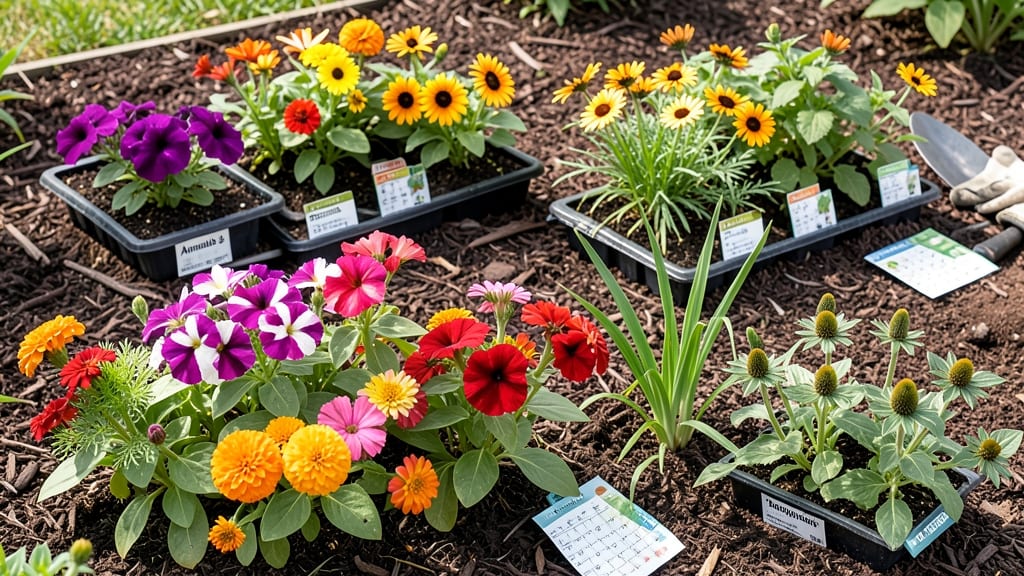
Planting your Flowers at the wrong time in Pennsylvania can mean the difference between a showstopping garden and a sad, wilted mess—especially when you're juggling USDA Zones 5 through 7.
The key isn't just following a generic calendar; it's reading your local microclimate like a pro, whether you're in the chillier mountains or the warmer valleys.
I've spent years testing planting windows across the state, and what I'm about to share will help you avoid those common mistakes.
From knowing when to pop those bulbs in the ground to timing your annuals for peak summer bloom, these deadlines are your secret weapon for a garden that thrives year after year.
Let's break down exactly when to plant in each zone, including how to adjust for late frosts, urban heat islands, and those tricky lake-effect cooling zones. You'll learn which Flowers are easiest for beginners and which varieties will reward advanced gardeners with nonstop color.
Ready to transform your garden? By the end, you'll have a crystal-clear schedule tailored to your corner of Pennsylvania—no more guesswork, just stunning results. Let's get started!
Pennsylvania flower planting deadlines by USDA Zone (5-7)
Pennsylvania spans USDA Zones 5-7, meaning your planting deadlines should shift based on whether you're in the mountains of Zone 5, the central valleys of Zone 6, or the warmer southern regions of Zone 7.
These zones experience last frost dates that can vary by 2-3 weeks, so timing is everything for your annuals, perennials, and bulbs.
For Zone 5 (e.g., Erie, Scranton), expect last frost dates between April 15-30, while Zone 7 (e.g., Pittsburgh, Harrisburg) typically sees frost-free soil by March 15-April 1. Zone 6 (State College, Allentown) falls in between, with April 1-15 as the average window.
Always check your local microclimate—urban areas often warm up faster than rural spots.
Soil temperature is just as critical as air temperature. Most flowers thrive when soil reaches 60°F (15°C), which usually happens 2-3 weeks after the last frost.
For cool-season flowers like pansies or snapdragons, you can plant as early as March in Zone 7 or April in Zone 5, but warm-season favorites (tomatoes, marigolds) need to wait until soil warms.
Bulbs like tulips and daffodils should be planted in fall (September-October) for spring blooms, but summer-blooming bulbs (like dahlias) go in early spring after the last frost. Perennials can often be planted in early spring or fall, while annuals need precise timing—usually after Memorial Day for most regions.
| Zone | Last Frost Date | Ideal Planting Window | Soil Temp Threshold | Microclimate Adjustments |
|---|---|---|---|---|
| Zone 5 (e.g., Erie, Scranton) | April 15-30 | April 20-May 15 | 60°F (15°C) | Urban areas: 1-2 weeks earlier; rural: wait 1 week |
| Zone 6 (e.g., State College, Allentown) | April 1-15 | April 10-May 10 | 60°F (15°C) | Lake-effect zones: delay by 5-7 days |
| Zone 7 (e.g., Pittsburgh, Harrisburg) | March 15-April 1 | March 30-April 20 | 55°F (13°C) | Urban heat islands: plant 1 week earlier |
| All Zones | N/A | Fall planting: Sept 1-Oct 15 | 50°F (10°C) | Bulbs: Plant before ground freezes |
For annuals, start seeds indoors 6-8 weeks before your last frost date. Marigolds and zinnias are heat-loving and can handle direct sowing after May 1 in most zones, while cool-season annuals like pansies and sweet peas should go in early spring or fall. Perennials like coneflowers and black-eyed Susans can be planted in early spring or fall, but avoid summer planting—they struggle with heat stress.
Urban gardeners in Zone 7 cities like Pittsburgh often see earlier soil warming due to concrete heat absorption. Test your soil with a soil thermometer—if it’s below 55°F (13°C), wait another week.
In rural Zone 5 areas, late frosts can linger until May 15, so cover tender plants with frost cloth until mid-May.
Don’t forget fall planting! Many perennials and bulbs thrive when planted in September-October. Chrysanthemums and asters can be direct-sown in late summer for fall color, while spring-blooming bulbs
How to adjust planting times for Pennsylvania’s microclimates
Pennsylvania’s diverse geography means your flower planting schedule can vary dramatically even within a single county. Urban areas like Philadelphia often experience urban heat islands that delay frost by 2-3 weeks, while lake-effect zones near Erie can see sudden temperature drops.
High-altitude spots in the Poconos might need adjustments of up to 4 weeks earlier for frost-sensitive varieties.
To succeed, start by identifying your specific microclimate. Check local weather stations for historical frost dates—not just the USDA zone average—and observe your garden’s unique conditions.
For example, south-facing slopes warm up faster, while north-facing areas stay cooler. Even a 5-degree difference can shift your planting window by 10 days or more.
⚠️ WARNING: Microclimate Mistakes Can Ruin Your Garden Don’t rely solely on last frost dates—they’re averages, not guarantees. Urban areas often have earlier springs due to heat retention, while rural areas may experience late frost pockets.
Always wait until soil reaches 50°F (10°C) at 4-inch depth for cool-season flowers, or 60°F (15°C) for tender annuals like petunias. A simple soil thermometer (under $10) prevents costly errors.
⚠️ Critical Adjustments for PA Microclimates
Urban Heat Islands: Plant heat-tolerant varieties (like zinnias) 2 weeks earlier than rural areas. Lake-effect zones: Delay frost-sensitive plants by 1-2 weeks. High-altitude areas: Start seeds indoors 3-4 weeks earlier for outdoor planting.
For soil warming, use black plastic mulch or dark-colored containers in cooler microclimates. This can raise soil temperatures by 5-10°F, extending your growing season. In urban areas, consider reflective mulches to prevent overheating. Always monitor shade patterns—trees and buildings create shifting light conditions that affect flowering times.
Calculate your frost-free period by averaging the last frost date of the past 5 years, then subtract 2 weeks for safety. For example, if your average last frost is April 15, aim to plant warm-season flowers by April 1.
Use this formula: (Average last frost date - 14 days) = Safe planting window. Adjust further based on your microclimate’s unique patterns.
Test your adjustments the first year by planting two sets of flowers—one following standard guidelines and one shifted by 1-2 weeks. Compare their growth and blooming times.
For instance, marigolds in Zone 6 might thrive with a 2-week earlier start in urban heat, while hollyhocks may need a delayed planting in lake-effect zones to avoid frost damage.
Remember, shade vs. sun exposure also affects timing. Sun-loving flowers like black-eyed Susans need full sun (6+ hours) to establish roots quickly, while shade-tolerant bleeding hearts can handle delayed planting. Always match your flower’s light requirements to your microclimate’s actual conditions—not just the general zone description.