
Flowers
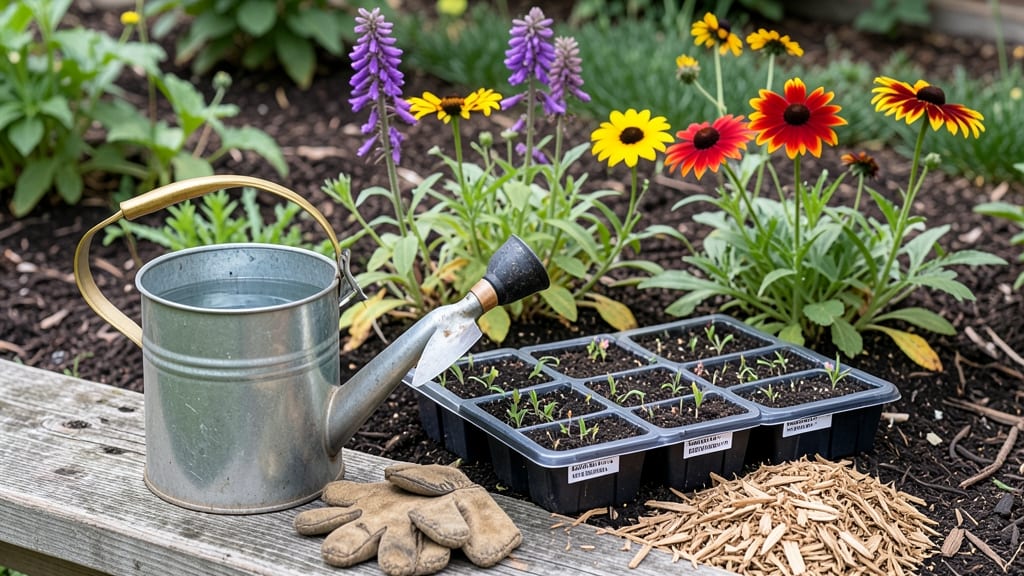
Planting your 🌸 flowers at the wrong time in Colorado can mean the difference between a vibrant garden and a sad, frost-bitten mess.
The best time to plant flowers in Colorado isn’t just about the calendar—it’s about knowing your elevation, microclimate, and the sneaky last-frost dates that vary wildly from Denver to the mountains.
If you’ve ever wondered why your neighbor’s garden thrives while yours struggles, timing is likely the culprit.
Colorado’s USDA Zones 5-7 create a tricky puzzle: plant too early, and a late snowstorm wipes out your hard work; too late, and you miss the sweet spot for robust growth before summer heat sets in.
What you’re about to discover isn’t just a general rule—it’s a microclimate-specific planting schedule tailored to Colorado’s quirks. We’ll break down the April-May and September-October windows, plus the secret tricks to adjust for your exact location, so your flowers bloom like clockwork.
Ready to stop guessing and start planting with confidence? Let’s dive into the exact deadlines that’ll give you zero-frost, show-stopping blooms—no matter where you live in the Centennial State.
Colorado’s 3 flower planting zones: elevation-based deadlines for frost-free blooms
Colorado’s dramatic elevation changes create three distinct planting zones, each with its own last-frost deadlines and ideal flower varieties. The Front Range (5,000–7,000 ft) has the most predictable schedules, while the Western Slope (6,000–9,000 ft) and Eastern Plains (3,500–5,000 ft) demand tailored timing.
Ignoring these zones risks frost damage or stunted growth—especially for heat-loving annuals like marigolds or zinnias.
For example, Denver’s average last frost date is April 20, but Aspen’s mountainous terrain pushes it to June 5. Meanwhile, Pueblo’s lower elevation often sees frost-free soil by March 25.
These variations mean your neighbor’s perfect schedule might fail in your yard just a few miles away. Understanding your zone’s microclimate quirks is the key to zero-frost blooms.
🌱 Colorado Flower Planting Zones by Elevation
| Zone | Avg. Last Frost | Best Planting Window | Heat-Tolerant Flowers | Cold-Hardy Perennials |
|---|---|---|---|---|
| Front Range (5,000–7,000 ft) | April 15–25 | April 30–May 15 | Zinnias, Marigolds, Petunias | Coneflowers, Black-Eyed Susans |
| Western Slope (6,000–9,000 ft) | May 10–20 | May 25–June 10 | Cosmos, Snapdragons, Lantana | Yarrow, Lavender, Penstemon |
| Eastern Plains (3,500–5,000 ft) | March 20–April 5 | April 10–20 | Geraniums, Vinca, Salvia | Daylilies, Bee Balm, Russian Sage |
🌡️ Pro Tip: Check your local CoCoRaHS station for real-time frost alerts—they’re more accurate than USDA zone maps!
If you’re in the Front Range, aim to plant annuals after May 1 to avoid late frosts, while perennials like coneflowers can handle early April soil. The Western Slope’s later frost dates make it ideal for heat-loving cosmos, but wind exposure often requires windbreaks.
Meanwhile, the Eastern Plains’ earlier thaw lets you start pansies or sweet peas as early as March—but watch for soil crusting from freeze-thaw cycles.
For container gardening, adjust your timeline by 2–4 weeks earlier—pots warm up faster than in-ground soil. Use black plastic mulch to raise soil temps by 5–10°F, letting you plant zinnias or marigolds up to 3 weeks ahead of the zone’s average.
Just avoid overheating roots in black containers during summer heatwaves.
Fall planting in Colorado follows the opposite logic: 6–8 weeks before your zone’s first frost.
That means September 1–15 for the Front Range, but August 15–30 for the Western Slope. Cool-season bloomers like pansies, snapdragons, and calendulas thrive when planted in late summer, giving them time to establish roots before winter.
Skip tender annuals like geraniums or impatiens—they won’t survive Colorado’s first hard frost.
One critical mistake Colorado gardeners make? Planting bulbs too early. Tulips and daffodils need chilling in winter—plant them in October (not spring!) for next year’s blooms.
For spring-blooming bulbs, aim for 6–8 weeks before ground freezes, typically September 15–October 15 in most zones. Summer-blooming bulbs like dahlias can wait until after last frost, but <
Microclimate hacks: how to plant flowers 2-4 weeks earlier (or later) without risking frost
Colorado’s microclimates can make a 5-mile difference in your last frost date. Urban Denver might hit 50°F soil by mid-April, while mountain valleys linger near freezing until May. The key? Adjusting your planting schedule with localized strategies—not just following a generic calendar.
If you live in a heat island (like downtown Denver), you can often plant 2-3 weeks earlier than rural areas. Conversely, high-elevation gardens or windy plains may need to delay planting by 1-2 weeks to avoid late frosts. These hacks let you fine-tune your schedule without gambling on Mother Nature.
Here’s how to shift your planting window safely, whether you’re racing the clock or playing it cool:
Black plastic mulch or clear plastic tunnels can raise soil temps by 5-10°F, letting you plant marigolds or zinnias 2 weeks early in urban areas. Remove plastic once plants are established to avoid overheating.
Use a low tunnel or cold frame to extend your growing season. In Zone 6 mountains, this lets you plant hardy annuals like snapdragons in late March instead of waiting for May. Monitor temps—remove covers if soil exceeds 80°F.
Skip frost-sensitive petunias or impatiens in hot microclimates. Instead, opt for celosia, portulaca, or vinca, which thrive in 90°F+ heat and can be planted 4 weeks later than traditional flowers without wilting.
On the Eastern Plains, where winds can drop temps 10°F overnight, install a temporary windbreak (like a straw bale fence) to protect young cosmos or sunflowers. This lets you plant 1-2 weeks earlier without frost risk.
For September-October plantings, use row covers to delay first frost by 2-3 weeks. This works especially well for pansies or calendula, which can bloom through light frosts if protected.
Pro tip: Track your local frost dates for 3 years to spot patterns. Colorado’s Mountain Research Station in Fort Collins and CSU Extension offer free frost calendars tailored to your ZIP code. Armed with these hacks, you’ll outsmart Colorado’s quirks and enjoy blooms weeks ahead of your neighbors.
Ready to test a hack? Start with one strategy this season—like black plastic mulch for early plantings—and watch your flowers thrive on their new schedule. 🌱