
Plants
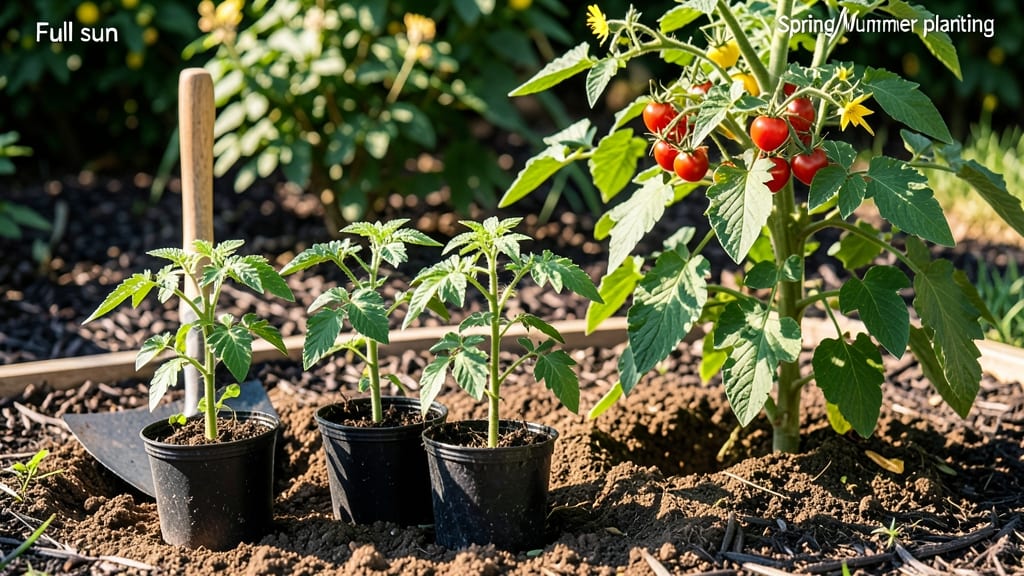
When is the best time to plant the tomatoes in California? Timing your tomato planting can feel like solving a puzzle—too early, and frost zaps your seedlings; too late, and summer heat stunts growth. The best time to plant tomatoes depends on whether you're in foggy coastal 9b or the blazing 10a of SoCal, but one rule holds true: wait until soil warms to 60°F for those 🍅 vines to thrive.
Most gardeners in 8-11 zones start seeds indoors by February or transplant seedlings after March 15th, but coastal areas can even begin in January—just shield them from chill winds.
Inland spots? Hold off until April to dodge late frosts, and opt for heat-tolerant varieties like 'Solar Fire' or 'Heatmaster.'
Here’s the game-changer: fall planting works too. In September-October, tomatoes like the cooler weather and often produce sweeter fruit before winter sets in. Whether you're a home gardener or managing a commercial plot, nailing these windows means bigger yields and fewer headaches.
Ready to turn your California garden into a tomato powerhouse? I’ll walk you through zone-specific schedules, soil prep secrets, and how to stretch your growing season—so you’re harvesting ripe, juicy tomatoes from spring to fall, no matter where you live in the Golden State.
California planting zones and ideal tomato planting months by region
California’s microclimates create a puzzle for tomato growers. Coastal areas like San Francisco (Zone 9b) enjoy mild winters, while inland valleys like Fresno (Zone 8a) face frost risks. Understanding your USDA zone and last frost date is key to timing plantings for maximum yields and disease avoidance.
Let’s break down the best months to plant tomatoes across California’s diverse regions.
For coastal zones (9b-10a), like Los Angeles or Santa Barbara, tomatoes thrive year-round. However, spring (February–April) and fall (September–October) plantings align with ideal soil temperatures of 60–75°F.
Inland zones (7b-9a), such as Sacramento or Madera, should wait until after last frost (mid-March to April) to avoid chilling injury.
Here’s a zone-by-zone breakdown of optimal planting windows, including whether to start seeds indoors or transplant seedlings for the best results:
| USDA Zone | Region Examples | Last Frost Date | Best Planting Months | Seed Start Indoors | Transplant Outdoors | Heat-Tolerant Varieties |
|---|---|---|---|---|---|---|
| 7b-8a | Sacramento, Madera | Dec 15–Jan 31 | March–April | Feb (6–8 weeks before last frost) | April–May | Heatmaster, Solar Fire |
| 9a-9b | San Francisco, Monterey | N/A (coastal) | February–April, September–October | Jan–Feb (for spring) or Aug (for fall) | March–April, September | Roma, Celebrity |
| 10a-10b | Los Angeles, San Diego | N/A (year-round) | Year-round (peak: Feb–May, Sep–Nov) | Year-round (as needed) | Year-round (avoid summer heat) | Sungold, Cherry (heat-tolerant) |
| 11a | Palm Springs, Desert Areas | N/A (frost-free) | September–November (fall/winter) | August (for fall crops) | September–October | Heatmaster, Black Krim |
In cooler inland zones (7b-8a), like the Central Valley, soil temperature is critical. Use a soil thermometer to confirm 60°F+ before transplanting. For coastal zones (9b-10a), where fog delays warming, row covers can accelerate soil heating in early spring.
In Southern California (10a-11a), avoid planting during peak summer heat (June–August) to prevent sunscald and blossom drop.
For container gardening in urban areas (e.g., San Francisco or Los Angeles), start seeds 8–10 weeks before last frost (or year-round in frost-free zones). Use 5-gallon pots or larger to accommodate deep root systems.
In drought-prone areas, like the Central Valley, opt for drought-tolerant varieties such as Solar Fire or Heatmaster, and mulch heavily to retain moisture.
Pro tip: Succession planting every 2–3 weeks in spring (March–May) ensures a continuous
How to adjust planting time for early vs. late varieties in California’s climate
California’s microclimates create opportunities to grow tomatoes year-round, but timing matters for early vs. late varieties. In coastal zones (USDA 9-10), you can plant heat-tolerant varieties like ‘Heatmaster’ as early as January under row covers.
Inland areas (USDA 7-8) should wait until March or April when soil reaches 60°F.
For early varieties (e.g., ‘Early Girl’), start seeds indoors 6-8 weeks before last frost (Dec-Jan for coastal, Feb-Mar inland). Use grow lights if natural light is limited. Transplant seedlings outdoors when nights stay above 50°F to avoid chilling injury.
Late varieties (e.g., ‘Brandywine’) thrive with longer growing seasons. Plant them in late spring (May-June) for a fall harvest. In Southern California (USDA 10-11), you can even plant a second crop in September for winter harvests.
- 🌡️ Soil Temp Check: Use a soil thermometer—plant when soil hits 60°F+.
- 🌿 Row Covers: Extend early planting by 2-3 weeks with lightweight covers.
- ☀️ Sunlight: Ensure 6+ hours of sun daily; coastal fog may require south-facing beds.
- 🌱 Succession Planting: Sow new seeds every 2-3 weeks for continuous harvests.
- 💧 Watering: Deep water every morning to prevent blossom-end rot.
In humid coastal areas (e.g., San Francisco Bay), avoid planting late varieties too close to summer—high humidity increases disease risk. Instead, opt for disease-resistant varieties like ‘Mountain Merit’ and space plants 18-24 inches apart for airflow.
For container gardening, use heat-retentive pots and plant determinate varieties (e.g., ‘Roma’) in May-June to avoid root stress. Inland gardeners can push the season by using black plastic mulch to warm soil faster in early spring.
Pro tip: Track your local frost dates (check USDA Plant Hardiness Zone Map) and adjust planting by 2-4 weeks if you’re in a transition zone. For example, Sacramento (USDA 9a) has later frost dates than San Diego (USDA 10b), so plant accordingly.