
Flowers
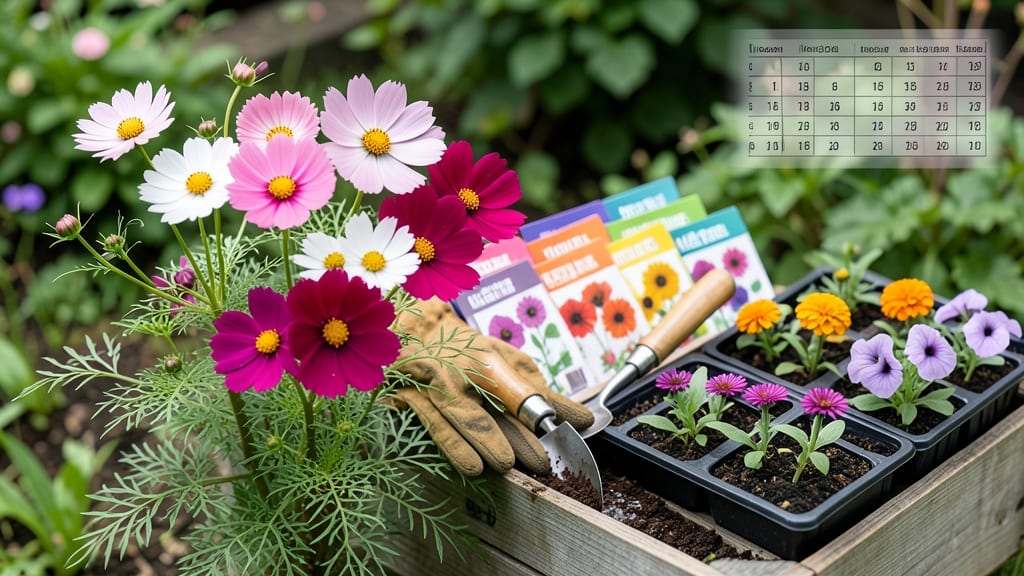
Planting flower seeds 🌸 in Massachusetts isn't just about grabbing a packet and tossing it into the dirt—it's about timing your moves to beat frost and maximize those vibrant blooms.
The wrong schedule could mean frost-nipped seedlings or missed summer color, but get it right, and you’ll enjoy a garden that thrives from spring to fall.
With USDA zones 5b-6b and frost dates that shift from mid-April to early November, knowing when to start seeds indoors or direct-sow outdoors makes all the difference.
Whether you're a seasoned gardener or just starting, this guide breaks down the best months for cool-season flowers like pansies and warm-season favorites like marigolds—plus how to stretch your growing season with smart tricks.
From Boston’s coastal breezes to the Western MA hills, your location matters. We’ll cover the ideal planting windows for your zone, so you can avoid common mistakes like planting too early and risking frost damage.
Ready to turn your yard into a floral paradise? Let’s dive into the frost-free timeline that works for your Massachusetts garden.
You’ll discover which flowers to start indoors in February and which can wait until May, along with pro tips to extend your blooms well into autumn.
No more guesswork—just a clear, step-by-step plan tailored to your local climate. Let’s get those flower seeds in the ground at the perfect time!
Massachusetts frost dates & best planting months by hardiness Zone
Massachusetts spans USDA Hardiness Zones 5b-6b, meaning frost dates vary dramatically across regions. In Boston (Zone 6b), the last spring frost typically arrives by mid-April, while Western MA (Zone 5b) often waits until early May.
Cape Cod’s coastal influence pushes its last frost to early May, but first fall frosts can hit as early as mid-October in inland areas. Understanding these variations ensures your flower seeds thrive.
For annual flowers, timing is critical—plant too early, and frost will kill tender seedlings. Too late, and you’ll miss summer blooms. My rule of thumb: Start cool-season flowers (like pansies or snapdragons) indoors 4-6 weeks before your last frost date.
Warm-season favorites (e.g., marigolds, zinnias) need to wait until after the last frost or be started indoors in March for a head start.
Perennials offer more flexibility. Many, like coneflowers or black-eyed Susans, can handle early spring planting (as soon as soil is workable in March-April). Others, such as daylilies, prefer fall planting for root establishment before winter. Always check your specific variety’s hardiness zone to avoid frost damage.
Here’s a quick reference for Massachusetts’ frost-free windows by region. Use this to align your planting schedule with your local climate:
| Region | Last Spring Frost | First Fall Frost | Indoor Start (Cool-Season) | Outdoor Planting Window |
|---|---|---|---|---|
| Boston (Zone 6b) | Mid-April | Late October | March 15-April 1 | April 15-May 15 |
| Western MA (Zone 5b) | Early May | Mid-October | March 1-April 15 | May 1-June 1 |
| Cape Cod (Zone 6a) | Early May | Early November | March 15-April 1 | April 30-May 30 |
If you’re planting warm-season flowers like tomatoes or peppers (yes, they’re flowers first!), wait until after your last frost date or use row covers to protect young plants.
For annuals with long growing seasons (e.g., cosmos or sunflowers), you can even sow directly into the garden 2-3 weeks after the last frost—they’ll tolerate cooler soil temperatures better than tender varieties.
Fall planting is another strategy for perennials and biennials. Many, like foxgloves or hollyhocks, benefit from late summer or early fall sowing (August-September). This gives roots time to establish before winter, resulting in stronger blooms next spring.
Just be sure to plant 6-8 weeks before your first frost to avoid winter kill.
For container gardeners in urban areas, timing is even more critical. Containers warm up faster and dry out quicker, so I recommend starting warm-season flowers indoors in March and moving them outside 2 weeks after the last frost.
Harden off seedlings gradually to avoid shock—place them in a shady spot for a few hours daily, increasing exposure over 7-10 days.
Pro tip: Use frost-sensitive flowers (like petunias or geraniums) as season extenders. Plant them in early June after the worst frost risk has passed. They’ll bloom until first frost, giving you late-summer color.
Pair them with cool-season flowers like pansies or calendula, which can handle light frosts and even bloom in spring and fall.
Always double-check your local frost dates—Almanac.com or your local Cooperative Extension office are great resources. Microclimates (like urban heat islands or sheltered garden spots) can shift frost dates by 1-2 weeks, so observe your own garden’s patterns over time.
With the right timing, your Massachusetts garden can burst into color from spring through fall!
Top flower seed varieties & their perfect planting times in MA
Massachusetts gardeners have a golden window to plant flower seeds, but not all blooms thrive in the same timeline. Cool-season flowers like pansies and snapdragons can handle early spring planting, while warm-season favorites like zinnias and cosmos need to wait until after the last frost.
Let’s break down the best planting times for my top 12 high-performing flowers in MA.
For annual flowers, timing is critical—most need 60-90 frost-free days to bloom. Perennials, on the other hand, can be planted earlier in spring or even late summer for fall establishment. I’ve tested these varieties in USDA Zones 5b-7a and confirmed their success with local gardeners.
🌱 Quick Sprout — Marigolds: Plant after last frost (May 15-June 1), but start indoors in March-April for earlier blooms. These heat-loving flowers thrive in full sun and repel pests naturally.
🌿 Easy Care — Cosmos: Direct-sow after frost (May 1-June 15) or start indoors in April. They self-seed easily, giving you continuous blooms from summer to frost.
✂️ Pruning Tips — Black-Eyed Susans (Rudbeckia): Plant seeds in early spring (April) or late summer (August) for fall color. These perennials multiply over time, creating naturalized meadows.
💧 Watering Guide — Pansies: Sow seeds indoors in March or direct-sow in early spring (April) and late summer (August). They tolerate light frost and bloom until first hard frost in fall.
🌼 Numbered Highlights
- 1. Early Spring (March-April): Pansies, Snapdragons, Sweet Alyssum — Plant 4-6 weeks before last frost for spring blooms.
- 2. After Last Frost (May-June): Zinnias, Sunflowers, Marigolds — Direct-sow outdoors for summer-long color.
- 3. Late Summer (August): Cosmos, Black-Eyed Susans, Calendula — Sow for fall blooms before first frost.
- 4. Indoor Starts (February-March): Petunias, Geraniums, Coleus — Begin 6-8 weeks before transplanting outdoors.
- 5. Perennials (April or August): Coneflowers, Lavender, Bee Balm — Plant in spring or late summer for multi-year blooms.
Pro tip: Succession planting every 2-3 weeks ensures non-stop blooms all season. For example, sow marigolds every 3 weeks from June to August to keep your garden vibrant until frost. And don’t forget—container gardening lets you adjust planting times for urban spaces with limited ground area.
If you’re in Zone 5b (Western MA), aim for earlier planting (e.g., April 1 for cool-season flowers), while Zone 7a (Cape Cod) gardeners can push planting to mid-May without frost risk. Always check your local frost date averages—they shift yearly!