
Planting
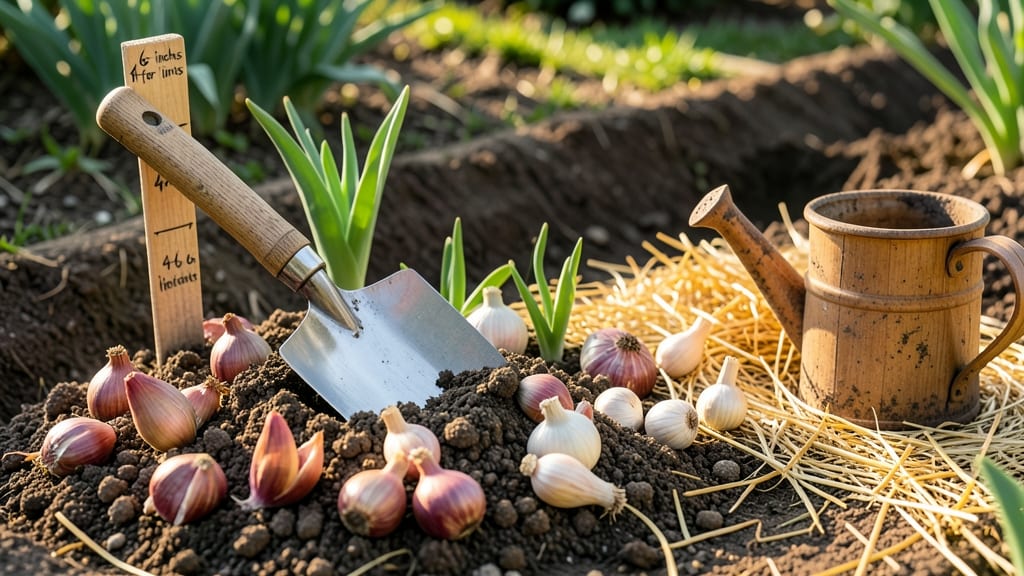
Planting flower bulbs 🌷 in the fall isn't just about throwing them in the ground—it's about timing everything just right for those vibrant spring blooms you've been dreaming of. Get it wrong, and you might end up with nothing but disappointment staring back at you from your garden bed.
The key lies in understanding your local climate and knowing exactly when to plant, which can make all the difference between a thriving display and a missed opportunity.
Most gardeners know fall is the right season, but when exactly you should plant depends on where you live and what types of bulbs you're working with.
In Zone 6a, like many parts of the Midwest, you typically have a 6-8 week window before the first frost hits—usually between mid-September and early November.
But here's the catch: planting too early or too late can leave your bulbs vulnerable to rot, pests, or simply not establishing roots properly before winter sets in.
What if you could guarantee those cheerful daffodils and tulips would burst through your soil year after year without fail? The secret isn't complicated—it's about matching the right bulbs with your local chill-hour requirements and planting them at the perfect moment.
I'll walk you through everything you need to know, from soil prep to post-planting care, so you can enjoy a garden that comes alive every spring.
Let's dive into the exact timing, bulb types, and care tips that will transform your fall planting into a reliable spring spectacle. Whether you're a seasoned gardener or just starting out, these insights will help you avoid common mistakes and get the most out of your flower bulbs.
Fall planting timeline by US hardiness Zones: exact weeks for best results
Getting your fall bulb planting timed right is everything—plant too early, and bulbs may sprout before winter; too late, and they won’t establish roots before frost. The key is aligning your planting window with your USDA hardiness zone and soil temperature thresholds of 40-50°F.
In colder zones (3-5), aim for 6-8 weeks before first frost, while warmer zones (8-10) can plant until mid-November or even later.
I’ve planted bulbs in Zone 6a for years, and the difference between a perfectly timed planting and one that struggles is striking. For example, tulips need 12-16 weeks of chill hours, while daffodils thrive with just 6-8 weeks.
Missing this window means weaker roots or no blooms at all. Let’s break down the exact weekly deadlines by zone to ensure your bulbs get the ideal dormancy period they crave.
🌱 Pro Tip: Use a soil thermometer to confirm temps are consistently below 60°F before planting. This prevents premature sprouting, which weakens bulbs before winter.
| USDA Zone | Planting Window | Soil Temp Threshold | Weekly Deadline (from Sept 1) | Frost Risk |
|---|---|---|---|---|
| Zones 3-4 | Late August - Mid-September | 40-45°F | Weeks 1-4 | High (first frost: Oct 15-Nov 1) |
| Zones 5-6 | Mid-September - Early October | 45-50°F | Weeks 5-8 | Moderate (first frost: Nov 1-15) |
| Zones 7-8 | Late September - Mid-November | 50-55°F | Weeks 10-16 | Low (first frost: Dec 1 or later) |
| Zones 9-10 | October - December | 55-60°F | Weeks 14-20+ | Minimal (frost rare) |
In Zones 3-4, where winters are harsh, I plant crocuses and snowdrops by late August—they’re hardy enough to handle early frosts. These bulbs need 6-8 weeks of chill, so rushing them risks rot.
Meanwhile, in Zone 9, I’ve successfully planted tulips as late as December because the mild winters provide enough chill hours naturally.
For Zones 5-6, my go-to window is mid-September to early October. This gives bulbs like daffodils and hyacinths enough time to root before the ground freezes. I mark my calendar for October 15th as the absolute deadline—after that, the soil cools too quickly for roots to establish.
In warmer zones (7-10), the challenge shifts to avoiding heat stress. Planting too early in Zone 8 can cause bulbs to sprout before winter, so I wait until late September at the earliest.
For Zone 10, where frost is rare, I focus on chill-hour requirements—some tulip varieties need 12+ weeks of cold, so I plant them in October to ensure they get enough dormancy.
One critical mistake I’ve seen gardeners make? Ignoring local frost dates. Always check your USDA zone map and local weather trends. For example, Zone 6a might have an earlier frost than Zone 6b, so adjust your timeline accordingly.
Use the National Weather Service or a frost calendar app for real-time updates.
After planting, mulch heavily (3-4 inches) with straw or shredded leaves to insulate bulbs from temperature swings. In Zones 3-5, this can mean the difference between survival and rot. I’ve seen tulip bulbs freeze without mulch in -10°F temps, but with proper insulation, they bounce back beautifully.
Finally, don’t forget that bulb size matters. Larger bulbs (like 12/0 daffodils) establish roots faster than smaller ones, so plant them first. Smaller bulbs (6/0 or less) can wait a week or two in Zones 5-7 without risking frost damage.
With these zone-specific deadlines and soil temp guidelines, your fall
Top 10 flower bulbs ranked by chill-hour needs: which thrive in your climate?
Not all flower bulbs need the same amount of winter chill to bloom beautifully in spring. Understanding chill-hour requirements helps you choose the perfect bulbs for your USDA hardiness zone.
For example, tulips and daffodils often need 12-16 hours of chill, while crocuses thrive with as little as 0-6 hours. Let’s break down the top 10 bulbs and their chill needs to ensure vibrant blooms next spring. 🌱
Your local climate plays a huge role in bulb success. If you live in Zone 5 or colder, most traditional bulbs will thrive. But in Zones 7-10, you’ll need varieties with low chill requirements or use pre-chilling tricks to trick bulbs into blooming.
For instance, grape hyacinths need just 6-10 hours of chill, making them ideal for warmer regions. 🌡️
If you’re in a warmer climate (Zones 7-10), focus on bulbs like crocuses or species tulips, which require minimal chill. For cooler zones (3-6), classic tulips and hyacinths will reward you with stunning displays.
Pro tip: Check the USDA Plant Hardiness Zone Map and your average first frost date to fine-tune your planting schedule. ⏰
Some bulbs, like daffodils, are more forgiving and can handle a range of chill hours. Others, like fritillaries, demand 18+ hours of chill and may struggle in mild winters.
Always double-check the chill-hour range on your bulb packaging or from a trusted nursery. This small step can mean the difference between blooms and busts next spring! 🌼
For container gardening, choose bulbs with low chill requirements or pre-chill them in your fridge for 6-8 weeks before planting. This mimics winter conditions and helps bulbs like tulips bloom even in Zone 8+.
Just store them in a paper bag with pebbles or vermiculite to prevent rot. 🪴
Remember, soil temperature matters just as much as air temperature. Aim to plant when soil temps are between 40-50°F—this ensures roots establish before winter sets in. Use a soil thermometer to check, especially in warmer zones where soil may stay too warm for root growth. 🌡️