
Plants
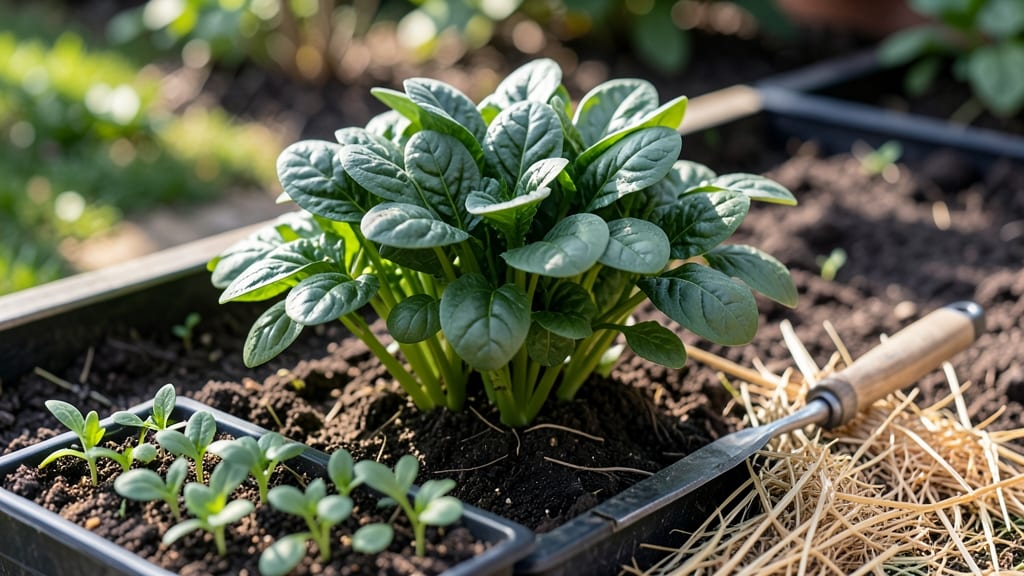
Planting fall spinach in Zone 7 at the wrong time means either bitter leaves or wasted effort—because timing this crop is all about catching that sweet spot between heat and frost.
The key isn’t just picking a month; it’s reading your microclimate like a pro, whether you’re in a city heat sink or a cooler rural pocket.
Most gardeners in Zone 7 rush to plant 🥬 too early, only to watch their spinach bolt before frost arrives. But with the right adjustments—like waiting until soil temps dip below 80°F—you can stretch your harvest from October right through November.
I’ll show you exactly when to start seeds (and when to transplant) to avoid common pitfalls.
What makes this season tricky? Daylight hours shrink faster than you think, and a late August planting might bolt by September if you’re not careful. The solution? A 6-8 week countdown to your first frost date, plus a few pro tricks like mulching and shade cloth to keep leaves tender.
Let’s break down the perfect schedule for your Zone 7 garden.
You’ll also discover which spinach varieties handle Zone 7’s fall quirks best—plus how companion plants and soil prep can mean the difference between a meager harvest and a bounty of crisp greens. Ready to grow spinach that actually thrives?
Optimal planting windows for fall spinach in Zone 7 (with microclimate adjustments)
Zone 7 gardeners face a tricky balance when planting fall spinach—too early and you’ll battle heat stress and bolting, while planting too late risks frost damage before harvest.
The sweet spot lies in a 6-8 week window before your first frost, but your exact timing depends on whether you’re in a hot urban microclimate, a cooler mountain foothill, or a coastal breeze zone.
I’ll show you how to calculate your perfect planting dates using soil temperature, daylight hours, and frost predictions.
Most Zone 7 gardeners default to planting spinach in mid-August, but this works only for rural areas with cooler nights. Urban heat islands can push soil temps above 85°F by late August, triggering bolting—so I recommend delaying until soil temps drop below 80°F.
Coastal areas, meanwhile, can plant 2-3 weeks earlier thanks to ocean breezes moderating temperatures. Let’s break down the exact windows for each microclimate.
| Microclimate Type | Ideal Planting Window | Soil Temp Threshold | Daylight Hours | Key Adjustment |
|---|---|---|---|---|
| Urban Heat Island | Late August - Early September | <80°F | 12-14 hours | Use shade cloth for afternoon sun; mulch heavily |
| Rural/Inland | Mid-August - Late August | <75°F | 13-14 hours | Plant 6-8 weeks before frost; succession plant every 2 weeks |
| Coastal/Maritime | Early August - Mid-August | <70°F | 14-15 hours | Leverage ocean breezes; plant heat-tolerant varieties |
| Mountain Foothills | Late July - Early August | <72°F | 13-14 hours | Extend season with row covers; watch for early frosts |
Your first step is to calculate your frost-free window. Zone 7’s average first frost falls around November 15, but this varies by 1-2 weeks depending on elevation and latitude.
Check your local Almanac frost dates and count backward 45-60 days—this gives you your last planting date for a full harvest. For example, if frost hits November 15, aim to plant by September 20 for a late fall crop.
Soil temperature is your next critical factor. Spinach seeds won’t germinate well above 85°F, and plants struggle to establish in 90°F+ soil. Use a soil thermometer to monitor temps—wait until they dip below 80°F before sowing.
In my urban Atlanta garden, I’ve found that late August soil temps often linger above this threshold, so I delay planting until early September to avoid bolting.
Daylight hours also play a surprising role. Spinach grows best with 12-14 hours of daylight, which is why August plantings often outperform September ones. If you’re in a northern Zone 7a (like Pittsburgh), you can push plantings into early September because daylight stretches longer.
But in southern Zone 7b (like Atlanta), daylight drops faster—so I recommend succession planting every 2 weeks from mid-August to late August for a staggered harvest.
For coastal gardeners, the ocean breeze is your secret weapon. Areas like Savannah, GA or Wilmington, NC can plant 2-3 weeks earlier than inland zones because the maritime climate keeps soil temps cooler.
I’ve had success planting ‘Tyee’ spinach in early August along the coast, while my inland neighbors waited until mid-August. The key difference? Humidity levels—coastal spinach needs better air circulation to prevent fungal diseases like downy mildew.
Pro tip: Use mulch to regulate soil temps and retain moisture. A 2-inch layer of straw can keep soil 5-10°F cooler than bare ground, which is crucial in urban microclimates. I also recommend drip irrigation to deliver water directly to roots—spinach hates wet foliage, which encourages disease.
Schedule watering for early morning to let leaves dry before evening, reducing bolting risk.
Finally, don’t overlook companion planting. Pair your spinach with radishes (they mark rows and deter pests) or lettuce (similar water needs). Avoid planting near tomatoes or peppers, which can compete for nutrients and attract the same pests.
In my Zone 7b garden, I’ve found that ‘Bloomsdale Long Standing’ spinach thrives when planted near bush beans—the beans fix nitrogen in the soil, giving spinach a nutrient boost for a longer harvest window.
With these microclimate adjustments, you can enjoy crisp, sweet spinach from October through November, even in Zone 7’s challenging fall conditions. The key is patience—wait for the right soil temps, monitor daylight hours, and adapt your schedule based on your local climate.
Your fall harvest will thank you! 🥬
How to avoid bolting: proven strategies for fall spinach in Zone 7
Fall spinach bolting is the #1 reason Zone 7 gardeners give up on this crop—those bitter, stringy leaves ruin the harvest. The good news? Bolting happens because of heat stress or daylength triggers, and both are predictable with the right strategies.
I’ve grown spinach in Zone 7 for 10 years, and these methods have kept my plants sweet and crisp through November.
First, let’s tackle the seed selection game-changer: slow-bolting varieties like 'Bloomsdale Long Standing' or 'Tyee' are bred to resist premature flowering. These hold off bolting until temperatures drop below 65°F, which is perfect for Zone 7’s fall conditions.
Pair them with succession planting every 2 weeks after your first sowing, and you’ll stretch your harvest window.
🌱Key Insight: Bolting isn’t just about heat—it’s also triggered by daylength. In Zone 7, days shorten rapidly after the equinox, so timing your last planting to late August (not September) gives your spinach just enough daylight to mature before bolting kicks in.
Soil management is where most gardeners drop the ball. Spinach hates compacted or nutrient-poor soil, which stresses plants and triggers bolting.
Amend your beds with compost or aged manure before planting, and keep the soil moist but not soggy—dry spells send spinach into survival mode, and it bolts faster. I’ve found that drip irrigation on a timer eliminates guesswork and keeps roots happy.
Don’t overlook the power of companion planting. Pair your spinach with radishes or lettuce—these shallow-rooted plants don’t compete for water or nutrients, and they shade the soil slightly, keeping roots cooler.
Avoid planting near tomatoes or onions, though; their allelopathic compounds can accelerate bolting. A simple row cover in late afternoon also works wonders for blocking extra heat.
Finally, watch for early frost warnings in Zone 7. If a 28°F freeze is forecast, cover your spinach with row fabric or old blankets—this protects tender leaves and lets you harvest for 2-3 more weeks.
With these strategies, you’ll go from bolting disasters to crisp, sweet spinach until hard frost hits. Trust me, your taste buds will thank you!