
Plants
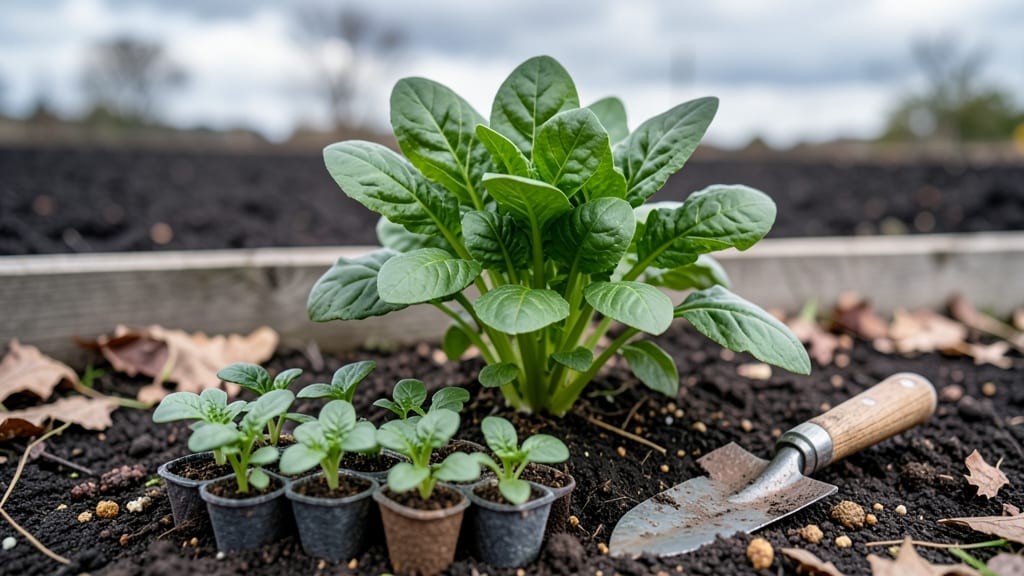
Planting fall spinach in Zone 6 isn’t just about timing—it’s about outsmarting the clock before bolting turns your crisp greens bitter. The 4-6 week window before your first frost (typically mid-August to early September) is your golden opportunity to grow 🥬 that tastes sweeter with each chill.
Skip this window, and you’ll either face heat-stressed seedlings or winter’s early freeze.
Most gardeners miss the mark by planting too early, only to watch their spinach bolt before harvest. But here’s the secret: Zone 6’s cooler fall temps actually improve spinach flavor and texture—if you play the timing right.
I’ll walk you through the exact dates, soil prep tricks, and spacing hacks to maximize your harvest from October straight through November.
Why settle for wilted greens when you can have spinach so tender it practically melts in your mouth? The key lies in understanding your local frost date, soil temperature thresholds, and how to protect young plants from late-summer heat spikes.
Let’s dive into the bolting-proof strategies that’ll keep your spinach thriving until winter’s first hard freeze.
From succession planting to cold-frame extensions, I’ll cover everything you need to turn your Zone 6 garden into a spinach powerhouse. No more guessing—just science-backed steps to ensure your 🥬 stays crisp, sweet, and ready for the salad bowl all fall long.
Zone 6 fall spinach planting timeline: exact dates to avoid bolting
Fall spinach in Zone 6 thrives when planted at the right time—4 to 6 weeks before your first frost. For most Zone 6 areas, this means mid-August to early September, but exact dates depend on your local microclimate.
Spinach bolts (goes to seed) when exposed to prolonged warmth above 75°F, so timing is critical to avoid bitter, stringy leaves.
Zone 6’s average first frost date falls around October 15, but this varies by location. Check your last frost date (April 15) and count backward to determine your ideal planting window.
For example, if your frost date is October 20, aim for early to mid-September plantings to ensure a 60-day harvest window before winter sets in.
Here’s the science: Spinach grows best in cool temperatures (50–70°F). When nighttime temps drop below 40°F, growth slows, but spinach remains frost-tolerant down to 20°F. Planting too early (e.g., July) risks heat stress, while late plantings (October) may not mature before frost. Balance is key!
| Planting Window | Ideal Planting Dates (Zone 6) | Temperature Thresholds | Bolting Risk | Variety Recommendations |
|---|---|---|---|---|
| Early Fall | Late July to early August | 50–75°F (day), 40–50°F (night) | High (heat stress) | Tyee, Space Hybrid |
| Mid-Fall (Optimal) | Mid-August to early September | 50–70°F (day), 35–45°F (night) | Low (ideal temps) | Bloomsdale, Winter Giant |
| Late Fall | Late September to early October | 40–60°F (day), 25–35°F (night) | None (slow growth) | Giant Winter, Bloodturn |
For Zone 6a (colder microclimates), shift your planting 1–2 weeks later to avoid early heat. For example, if your frost date is October 25, plant September 1–15. Use a heat-unit calculator (e.g., growingdegree.com) to track cumulative temperatures—spinach needs 500–800 heat units to mature before bolting.
Choose slow-bolting varieties like Bloomsdale Long Standing or Tyee for extended harvests. These tolerate cooler temps better than hybrid types and resist flowering when nights dip below 50°F. If your fall stretches into December, opt for Giant Winter, which withstands light frosts.
Pro tip: Succession plant every 2 weeks in late August to stagger harvests. Sow 1/2-inch deep in well-drained, nitrogen-rich soil (pH 6.0–7.0) and thin seedlings to 4 inches apart to prevent competition. Mulch with straw to insulate roots and retain moisture during temperature swings.
Monitor soil temps with a thermometer—ideal germination occurs at 45–85°F. If your soil heats above 85°F in late summer, wait until September or use shade cloth to protect seeds. Overheated soil triggers premature bolting within 10–14 days of planting.
Harvest begins 30–45 days after sowing, depending on variety. Pick outer leaves first to encourage regrowth, and avoid cutting into the center crown. Stop harvesting when leaves turn yellow or woody—a sign of frost damage. With the right timing, you’ll enjoy crisp, tender spinach until December!
🌱
How to extend spinach harvests: succession planting strategies for Zone 6
Succession planting is your secret weapon for non-stop spinach harvests in Zone 6. By staggering plantings every 2-3 weeks from mid-August through early October, you’ll create a rolling harvest that lasts until hard frost.
This method works because spinach thrives in cooler temps—once summer’s heat fades, your garden becomes a spinach powerhouse.
The key to success lies in microclimate adjustments and protective measures. Zone 6’s unpredictable fall weather can swing from warm days to freezing nights. Using row covers or a cold frame extends your harvest window by weeks, even pushing some varieties into December with proper protection.
Let’s break down the exact steps—from soil prep to harvest timing—to ensure your spinach stays crisp, sweet, and bolt-free all season long.
📌 Succession Planting Checklist for Zone 6 Spinach
- 1. Start soil prep 4-6 weeks before first frost by amending beds with compost and a balanced fertilizer (10-10-10). Aim for pH 6.0-7.0.
- 2. Plant first batch mid-August (6 weeks before frost) using 🥬 cold-hardy varieties like 'Bloomsdale' or 'Tyee'. Sow seeds ½ inch deep, 1-2 inches apart.
- 3. Stagger plantings every 2-3 weeks until early October. Each batch should mature just as the previous one nears harvest.
- 4. Protect seedlings with row covers if night temps drop below 50°F to prevent bolting.
- 5. Use cold frames for late plantings (Sept-Oct) to extend harvest into December by trapping 10-15°F warmer microclimates.
- 6. Harvest outer leaves first to encourage regrowth. Stop harvesting 2 weeks before expected hard frost.
Spacing is critical—crowded spinach competes for nutrients and light, leading to stunted growth and bolting. Thin seedlings to 4-6 inches apart once they’re 2 inches tall. This gives roots room to establish while maximizing your bed’s yield.
For late-season plantings (after September 15), prioritize shade-tolerant varieties like 'Winter Giant' or 'Space'. These handle Zone 6’s shorter daylight hours better than heat-loving types. Pair them with drip irrigation to maintain even moisture—spinach wilts faster in dry soil, and uneven watering triggers bolting.
Don’t let early frosts derail your harvest. A low tunnel hoop house with clear plastic adds 10-15°F protection and can push harvests into December. Remove covers during the day to prevent overheating, and secure edges with bricks or soil to trap warmth at night.
With these strategies, you’ll enjoy fresh spinach salads straight from your garden until winter’s first hard freeze—no greenhouse required! 🌱