
Planting
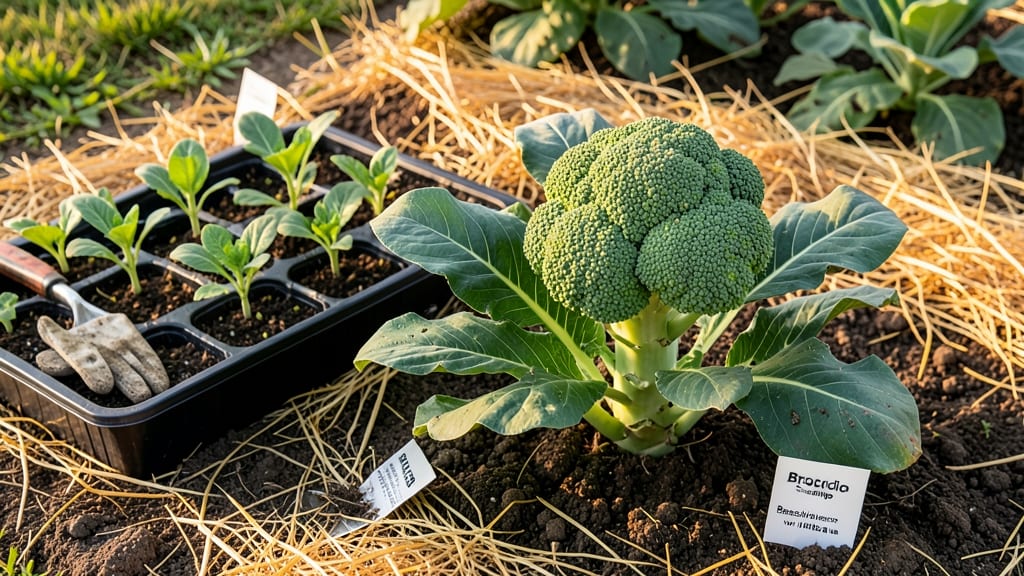
Planting your fall garden in Alabama at the wrong time could mean the difference between a bountiful harvest and frozen seedlings overnight. With the right timing—mid-August to early October—you can grow hearty vegetables like kale, broccoli, and carrots 🌱 that thrive in cooler weather.
Alabama’s varied climate means frost dates shift from North to South, so knowing when to plant isn’t one-size-fits-all. A 6-8 week window before your first frost (usually mid-November) ensures your greens mature before winter sets in. But skip this window, and you risk stunted growth or worse.
I’ll break down the best planting schedule for your specific microclimate, whether you’re in cooler North Alabama or warmer South Alabama. You’ll learn which crops to prioritize, how to prep your soil, and even how to extend harvests into December with simple tricks.
Ready to grow a fall garden that outlasts the chill? Let’s get started with a foolproof plan tailored to Alabama’s unique growing conditions.
Alabama’s fall planting calendar by microclimate zone
Alabama’s fall gardening success hinges on microclimate timing. North Alabama’s cooler zones (like Huntsville) have earlier frost risks, while South Alabama (like Mobile) enjoys warmer windows.
Central Alabama (Birmingham) sits in the middle, offering a balanced growing season. Understanding these zones prevents frost damage and maximizes harvests.
Your first step is knowing your last frost dates. North Alabama averages November 15, Central Alabama November 25, and South Alabama December 10. Planting too early risks bolting or pest pressure, while late planting may leave crops vulnerable to early winter chills.
Here’s how to align your planting with Alabama’s three distinct zones, including ideal transplant windows for vegetables, herbs, and greens:
| Zone | Last Frost | Best Planting Window | Ideal Transplant Months | Top Crops |
|---|---|---|---|---|
| North Alabama (Cooler) | Nov 15 | Mid-August to early October | September-October | Kale, Broccoli, Spinach, Radishes |
| Central Alabama (Moderate) | Nov 25 | Late August to mid-October | September-November | Collards, Carrots, Lettuce, Green Onions |
| South Alabama (Warmer) | Dec 10 | Late August to late October | October-November | Mustard Greens, Turnips, Cilantro, Arugula |
*Adjust dates 1-2 weeks earlier for high-elevation areas or later for coastal zones.
For North Alabama, start sowing cool-season crops like broccoli and spinach in mid-August. Transplant seedlings in late August to early September for a harvest before frost. Use row covers to extend the season by 2-3 weeks.
In Central Alabama, you have more flexibility. Begin planting hardy greens like collards in late August and transplant broccoli or cabbage through mid-October. This zone allows for succession planting every 2-3 weeks.
South Alabama gardeners can push limits further. Plant winter radishes as late as mid-October and enjoy harvests through December. Use cold frames to grow spinach or lettuce even in light frost.
Always check soil temperatures before planting. Ideal ranges are 50-70°F for most cool-season crops. Use a soil thermometer to avoid slow germination or rot.
Pro tip: Mark your first frost date on your calendar and count backward 6-8 weeks to determine your last planting window. This ensures your crops mature before freezing temperatures arrive.
Don’t forget herbs like cilantro and dill, which thrive in Alabama’s fall. Sow them in September for a harvest before bolting. Mulch with straw or leaves to protect roots from temperature swings.
With this zone-specific schedule, you’ll avoid common mistakes like planting too early (risking bolting) or too late (missing harvests). Happy gardening!
Best fall vegetables for Alabama’s climate and how to extend their harvest
Alabama’s mild fall climate makes it perfect for growing cold-hardy vegetables that thrive in cooler weather. Unlike spring planting, fall offers a second chance to grow nutrient-rich crops like kale, collards, and broccoli without summer’s intense heat.
These vegetables not only survive but often taste sweeter after a light frost. The key? Planting at the right time and using simple techniques to protect your crops from Alabama’s unpredictable late-season cold snaps.
For Alabama gardeners, the ideal window to start planting fall vegetables is between mid-August and early October. This timing ensures your crops mature before the first frost, typically arriving in mid-November in most regions.
However, with the right tools like row covers or cold frames, you can extend harvests well into December. Let’s explore the best crops and how to keep them thriving longer.
🌱 Top Fall Vegetables for Alabama + Extension Tips
- Kale – Plant 8-10 weeks before frost (late August). Use row covers to protect from light frosts (32-35°F). Harvest outer leaves for continuous yield.
- Collards – Sow 6-8 weeks before frost (September). Thrive in cool weather and taste sweeter after frost. Mulch heavily to insulate roots.
- Broccoli – Start seeds 7-9 weeks before frost (late August). Use cold frames to delay frost damage. Harvest heads before they bolt.
- Carrots – Plant 10-12 weeks before frost (early September). Loosen soil to prevent forking. Cover with straw mulch to protect from hard freezes.
- Radishes – Fast growers! Sow 4-6 weeks before frost (October). Perfect for succession planting every 2 weeks. Harvest before they get woody.
One of my favorite tricks for extending harvests is succession planting. Instead of sowing all your seeds at once, stagger plantings every 2-3 weeks for crops like radishes or lettuce. This ensures a steady supply of fresh produce and reduces waste.
For example, if you plant a batch of radishes in late August, follow up with another in early September and late September. By the time the first batch matures, the later plantings will be ready too.
When temperatures dip below 35°F, protect your crops with floating row covers or low tunnels. These simple tools trap heat and shield plants from frost while still allowing sunlight and water to pass through.
For hardier crops like kale or collards, a thick mulch layer (4-6 inches of straw or leaves) can add 4-6°F of insulation to the soil, keeping roots warm. I’ve seen collards survive 20°F nights with proper mulching!
Don’t forget about cold frames for high-value crops like broccoli or Brussels sprouts. A cold frame is essentially a mini greenhouse with a transparent lid that you can prop open on warm days. This allows you to harvest well into December in Alabama’s milder zones.
Just monitor soil moisture closely, as cold frames can dry out soil faster than open beds. Water in the morning to prevent fungal issues from evening moisture.
With these strategies, you can enjoy fresh, homegrown vegetables long after most gardens have gone dormant. Start with the cold-hardy crops listed above, time your plantings carefully, and use protective tools to beat Alabama’s early frosts.
Your fall garden will reward you with bountiful harvests and the satisfaction of growing food year-round. Happy gardening! 🌿