
Planting
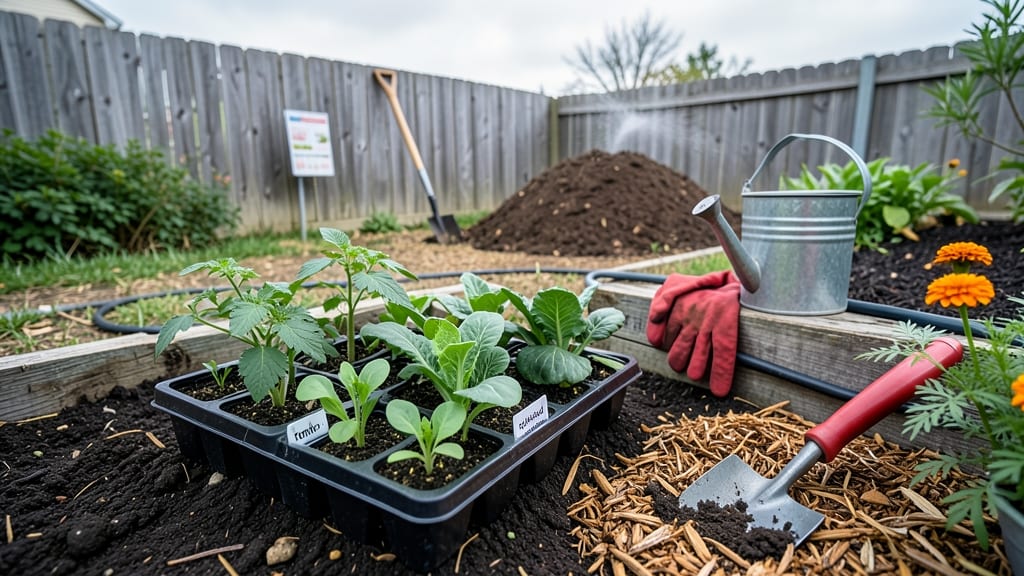
Planting your Alabama garden at the wrong time can mean the difference between a thriving harvest and wasted effort—and with frost-free dates shifting from March 15 in the north to as early as February in the south, timing is everything.
The key isn’t just following a generic calendar; it’s understanding how your specific region’s microclimates (like Birmingham’s heat pockets or Huntsville’s cooler valleys) affect when to sow seeds or transplant seedlings.
I’ve spent years testing what works in Alabama’s 7a-8b zones, and the biggest mistake I see is planting cool-season crops like spinach too late or warm-season favorites like tomatoes too early.
The solution? Start with late winter to early spring for leafy greens and root vegetables, then shift to warm-season crops only after the last frost—usually April 15 or later in most areas.
What you’ll discover here are the exact planting windows tailored to Alabama’s three main regions, plus pro tips for adjusting to unpredictable weather. Whether you’re a first-time gardener or a seasoned green thumb, these strategies will help you maximize your yield and avoid common pitfalls.
Ready to turn your Alabama garden into a year-round success? Let’s break down the best times to plant, crop by crop, so you can enjoy fresh produce from March through November—no guesswork required.
Alabama’s frost-free dates by region: when to start planting cool vs warm season crops
Alabama’s diverse climate—spanning USDA zones 7a to 8b—means frost-free dates vary dramatically from North Alabama’s mountains to South Alabama’s coastal plains.
Getting these dates right ensures your cool-season crops like broccoli and spinach thrive before summer heat arrives, while warm-season crops like tomatoes and peppers avoid early frost damage. Let’s break it down by region so you can plant with confidence.
Alabama is divided into three key gardening regions: North, Central, and South. Each has distinct last frost dates, first frost dates, and ideal planting windows.
For example, North Alabama (USDA 7a-7b) faces later springs and earlier falls compared to South Alabama (USDA 8a-8b), where the growing season stretches nearly year-round in some areas. Understanding these differences helps you avoid common mistakes like planting tomatoes too early or lettuce too late.
| Region | Last Frost Date | First Frost Date | Cool-Season Planting Window | Warm-Season Planting Window |
|---|---|---|---|---|
| North Alabama (e.g., Huntsville, Decatur) | March 15 - April 1 | October 15 - November 1 | February 15 - March 15 | April 15 - May 1 |
| Central Alabama (e.g., Birmingham, Montgomery) | March 1 - March 15 | October 30 - November 15 | February 1 - March 10 | March 20 - April 15 |
| South Alabama (e.g., Mobile, Dothan) | February 15 - March 1 | November 1 - December 1 | January 15 - February 20 | February 28 - March 20 |
In North Alabama, where USDA zone 7a dominates, the last frost typically occurs between March 15 and April 1. This means cool-season crops like spinach, broccoli, and peas should be planted by mid-February to mature before summer heat sets in.
For warm-season crops, wait until mid-April to avoid frost damage to tender seedlings like tomatoes and peppers.
Central Alabama, including cities like Birmingham and Montgomery, offers a slightly longer growing season.
The last frost date here is usually March 1 to March 15, allowing you to plant cool-season crops as late as early March. Warm-season crops can go in the ground by late March, giving them enough time to establish roots before summer’s intense heat.
This region’s first frost often arrives around late October to mid-November, perfect for a fall harvest of kale, carrots, and radishes.
If you live in South Alabama, you’re in luck—this region’s USDA zone 8a-8b climate means fewer frost risks and a longer growing season.
The last frost date here is as early as mid-February, letting you plant cool-season crops like lettuce and onions in January. Warm-season crops can even start going in by late February, though you’ll want to protect them with row covers if a late frost threatens.
The first frost here rarely arrives before November, extending your harvest window significantly.
For microclimates—like valleys, urban heat islands, or coastal areas—adjust your planting dates by 1 to 2 weeks. For example, valleys in North Alabama may experience frost 10 days later than nearby ridges, while urban Birmingham can be 5°F warmer than rural areas, pushing back frost dates.
Use a soil thermometer to confirm when cool-season crops (ideal soil temp: 50°F+) and warm-season crops (ideal soil temp: 60°F+) can safely go into the ground.
Pro tip: Use Alabama Cooperative Extension’s frost watch tools to track real-time updates. Their frost probability maps help you plan for late-season surprises, especially in transition zones like Central Alabama.
Pair this with staggered planting—sow cool-season crops every 2 weeks from February to April—to ensure a steady harvest before summer heat arrives.
Remember, cool-season crops like cabbage, Brussels sprouts, and peas thrive in Alabama’s winter and early spring, while warm-season crops such as okra, sweet potatoes, and eggplant need the long, hot days of summer.
By aligning your planting schedule with your region’s frost-free dates, you’ll maximize your garden’s potential and enjoy fresh, homegrown produce all season long.
Start planning now—your Alabama garden is waiting! 🌱
How to adjust planting times for Alabama’s unpredictable weather patterns
Alabama’s weather can be as unpredictable as a summer thunderstorm—one day it’s 60°F and sunny, the next it’s freezing in the morning. These swings make timing your garden critical.
Unlike northern states, Alabama’s last frost can vary by 3-4 weeks from north to south, while early heat waves can arrive before Memorial Day. The key? Flexibility and preparation.
Start by checking your local frost-free dates—North Alabama’s last frost often hits by March 15, while South Alabama may see April 1. But don’t rely solely on averages.
Use a soil thermometer to confirm when temperatures reach 50°F+ for cool-season crops like lettuce or 60°F+ for warm-season plants like tomatoes. This small step can save your seedlings from frost damage or bolting.
⚠️ callout-warning ⚠️
🌡️ Alabama’s Weather Tricks
Don’t let Alabama’s false springs fool you! A 30°F dip can kill tender seedlings overnight. Use these pro tips:
- ❄️ Frost Watch: Sign up for NOAA alerts or use the Alabama Extension’s frost map.
- 🌱 Stagger Plantings: Sow radishes and bush beans every 2 weeks for a continuous harvest.
- ☀️ Heat Tolerance: Choose okra or sweet potatoes for late-season planting—they thrive in 90°F+.
⚠️ Warning: Planting tomatoes before May 1 in North Alabama risks frost damage.
For extended harvests, try staggered planting. Instead of sowing all your lettuce seeds at once, plant half in March and the other half in early April. This way, you’ll have fresh greens even if late frosts hit.
The same goes for warm-season crops: If you’re in South Alabama, you can plant peppers as early as March 1, but North Alabama gardeners should wait until April 15.
Rainfall is another wild card. Alabama’s sporadic downpours can turn your garden into a muddy mess or leave seedlings drought-stressed. Use mulch to retain moisture and drip irrigation to deliver water directly to roots. Avoid overhead watering, which can spread fungal diseases like powdery mildew during humid spells.
If you’re unsure about your local microclimate, observe your neighbors’ gardens. A hilltop in your area might frost 2 weeks earlier than a valley. Keep a gardening journal to track when your plants thrive—or fail. Over time, you’ll spot patterns and adjust your planting schedule like a pro.
Remember, Alabama’s growing season is long—240+ frost-free days in the south. Use this advantage by planting fast-maturing crops early (like radishes in February) and heat-loving crops late (like squash in July). With these strategies, you’ll turn Alabama’s unpredictable weather into your garden’s superpower. 🌱