
Plants
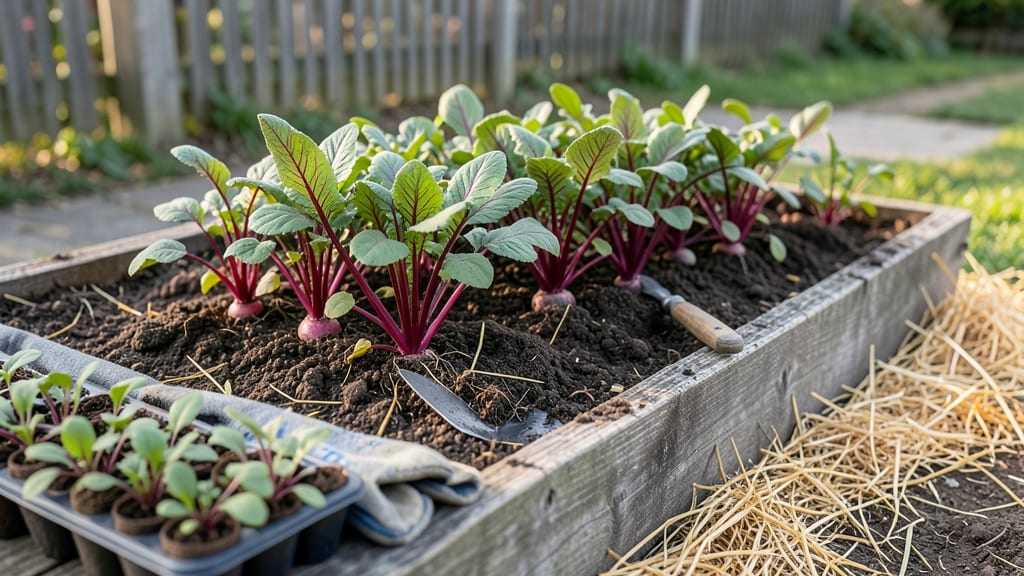
Planting fall beets in Zone 7 at the wrong time means either bolting before sweet roots form or frost ruining your harvest—neither of which you want after all that garden prep!
The key to tender, flavorful 🟣 beets lies in timing them perfectly, and I’ll show you exactly when to start seeds for a foolproof harvest.
In Zone 7 (7a-7b), where first frost typically hits around mid-October, your planting window opens about 8–12 weeks before that date. That means late summer is your sweet spot—think early August for a harvest just before winter sets in.
Too early, and the heat stresses young plants; too late, and frost turns your roots woody.
But here’s the game-changer: even within that window, your location matters. Northern Zone 7 areas (like 7a) need to plant closer to 8 weeks out to avoid early bolting, while Southern 7b zones can stretch to 10–12 weeks for a later harvest.
I’ll break down the exact weeks and varieties that thrive in your microclimate.
Ready to grow beets so sweet they’ll make your neighbors jealous? Let’s dive into the step-by-step schedule, soil tricks, and companion plants that’ll turn your fall garden into a beet bonanza—no guesswork required.
Optimal fall beet planting weeks before frost in Zone 7
In Zone 7, timing your fall beet planting is critical—aim for 80-100 days before your first frost to avoid bitter roots or frost damage. For most of Zone 7, this means sowing seeds between mid-July and early August, with adjustments needed for Northern vs. Southern sub-zones.
I’ve grown beets for years in this region, and nailing the window ensures sweet, tender harvests.
For Northern Zone 7 (7a), where first frost hits around October 15, plant seeds by August 1 to harvest before temperatures drop. In Southern Zone 7 (7b), with later frosts (often November 1), you can extend planting until mid-August.
This flexibility lets you experiment while minimizing risks like bolting or frost damage.
| Planting Window | Zone 7a (Northern) | Zone 7b (Southern) | Days to Harvest |
|---|---|---|---|
| Seed Start (Direct Sow) | July 15–August 1 | July 20–August 15 | 60–70 days |
| Transplant Start | July 20–July 31 | July 25–August 10 | 50–60 days |
| Last Planting Date | August 15 | September 1 | 45–50 days |
| Frost Risk Window | October 15 | November 1 | N/A |
If you’re planting seeds directly, start by mid-July in Northern 7a to give roots time to mature before cooler weather sets in. Seeds take 7–14 days to germinate, so don’t wait until late July—you’ll miss the harvest window.
For transplants, which mature faster, begin by late July to shave off critical days.
I’ve found that succession planting every 2 weeks in late July and early August stretches your harvest into October. This works especially well for baby beets, which mature in just 45–50 days. For full-sized roots, stick to the earlier windows to avoid woody texture from late-season stress.
For Northern Zone 7, where summers are hotter, use shade cloth during peak August heat to prevent bolting. In Southern Zone 7, where summers extend longer, you can push planting to mid-August for a late fall harvest. Just monitor soil moisture—dry spells in September can stunt growth.
Pro tip: Test your soil 2 weeks before planting to ensure pH is between 6.0–7.0. Beets thrive in loose, well-amended soil. Mix in compost or aged manure to improve drainage, which prevents rot.
I’ve seen beets grown in heavy clay fail due to poor drainage, so don’t skip this step.
When planting, space seeds 1–2 inches apart in rows 12–18 inches apart. Thin seedlings to 3–4 inches apart once they’re 2–3 inches tall. This spacing gives roots room to swell without competing.
If you’re short on space, try container growing—beets grow well in 12-inch-deep pots with proper drainage.
Water deeply 2–3 times per week after planting to encourage root development. Once established, reduce to 1 inch per week, focusing on morning watering to avoid fungal diseases.
In late September, taper back slightly to harden off roots before frost. I’ve harvested beets right after a light frost—they’ll even sweeten slightly!
For a second harvest, try planting cold-hardy varieties like ‘Winter Keeper’ in early September. These can tolerate light frosts and produce sweet roots into November. Just cover them with row fabric if temperatures dip below 25°F.
Remember, Zone 7’s microclimates vary—your neighbor’s garden might frost earlier or later than yours. Keep a frost date journal for 2–3 years to refine your planting schedule. With the right timing, you’ll enjoy homegrown beets from September through November—no store-bought roots needed! 🌱
Optimal fall beet planting weeks before frost in Zone 7
In Zone 7, your fall beet planting window hinges on counting back 80–100 days from your first frost date (typically mid-October). This translates to early to mid-August for most growers, but the exact timing depends on whether you're in Zone 7a (cooler) or 7b (warmer).
For 7a, aim for 8–9 weeks before frost—around August 1–15—while 7b gardeners can stretch to 10–12 weeks (late July to early August).
Why the range? Beets need 60–70 days to mature, but planting too early in late July risks bolting from summer heat, while waiting until mid-September leaves them vulnerable to frost. The sweet spot balances heat tolerance and cold hardiness—think of it as a Goldilocks zone for your roots.
Here’s the visual breakdown of your planting timeline, including seed vs. transplant options for maximum yield:
| Zone 7 Type | Planting Window | Weeks Before Frost | Best Method |
|---|---|---|---|
| Zone 7a (Cooler) | August 1–15 | 8–9 weeks | Direct sow seeds |
| Zone 7b (Warmer) | July 25–August 10 | 10–12 weeks | Seeds or transplants |
| Late Succession (7a/7b) | September 1–15 | 4–6 weeks | Fast-maturing varieties |
For direct-seeded beets, start with 1/2-inch-deep rows, spacing seeds 1–2 inches apart. Thin seedlings to 3–4 inches apart once they’re 2 inches tall—this prevents overcrowding and ensures plump roots.
If you’re using transplants, opt for 4–6 week old seedlings and harden them off for 5–7 days before setting them out.
Pro tip: Soil temperature matters just as much as calendar dates. Beets thrive in 50–85°F soil, so avoid planting when ground temps exceed 80°F—this causes bolting (flowering) before roots develop. Test your soil with a thermometer or wait until evening temps drop below 75°F.
Once your beets are in the ground, consistent moisture is key. Aim for 1 inch of water per week, delivered in the morning to reduce fungal risks. Mulch with straw or shredded leaves to retain moisture and suppress weeds—this is especially critical in Zone 7’s dry spells before frost.
With this timing, you’ll harvest sweet, tender beets from late September to November, just as their flavor peaks. And if frost sneaks in early? Don’t worry—I’ll show you how to extend your harvest in the next section.