
Plants
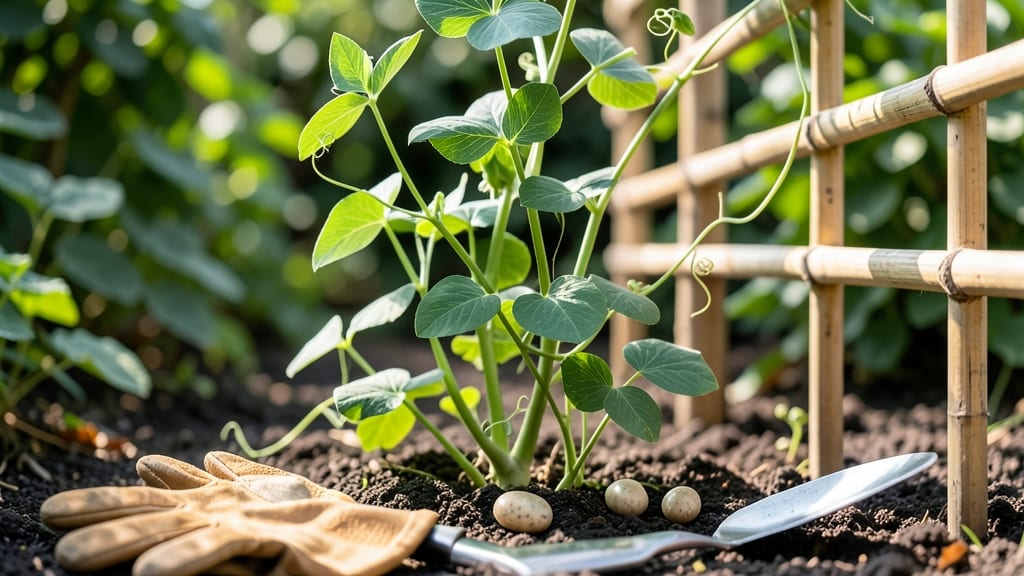
Planting English peas 🌱 at the wrong time in Zone 7 can turn your sweet, tender harvest into bitter disappointment—because bolting happens fast when temperatures climb too soon. The key to success lies in timing those seeds just right, whether you're aiming for a spring feast or a fall bounty.
Most gardeners in Zone 7 rush to plant too early, only to watch their peas bolt before producing pods. But with the right 2–3 week window before your last frost (around March 15), you can avoid this common mistake.
I’ll show you exactly when to start seeds indoors or direct-sow for maximum yield.
Don’t stop there—late summer planting (July–August) unlocks a second harvest before frost hits in November. The trick? Adjusting for soil warmth and microclimates to keep those peas cool and happy until harvest. Ready to master the timing that makes all the difference?
From soil prep to succession planting, I’ll walk you through every step to ensure your English peas thrive—no bitter surprises included. Let’s get those seeds in the ground the right way.
Optimal planting windows for English peas in Zone 7
English peas thrive in cool temperatures but bolt—producing bitter pods prematurely—when exposed to heat stress or inconsistent soil moisture. In Zone 7, timing is everything to avoid this fate.
The two best planting windows are early spring (February–March) and late summer/fall (July–August), each with specific temperature thresholds to prevent bolting.
For spring planting, aim to sow seeds 4–6 weeks before your last frost date (typically mid-March in Zone 7). This gives peas time to mature before summer heat arrives. Soil temperatures should stay below 75°F to avoid triggering bolting.
Use row covers if nights dip below 40°F to protect tender seedlings.
Fall planting offers a second harvest window. Start seeds 70–90 days before your first frost (usually late July–early August). Choose heat-tolerant varieties like 'Kelvedon Wonder' or 'Green Arrow' for better success. Soil temperatures above 80°F can stress peas, so prioritize shaded or mulched beds to keep roots cool.
🌱 Comparison Table: Planting Windows for English Peas in Zone 7
| Planting Window | Ideal Months | Soil Temp Threshold | Frost Tolerance | Key Prep Step |
|---|---|---|---|---|
| Early Spring | February–March | Below 75°F | Hardy to 20°F | Add compost for warmth |
| Late Summer/Fall | July–August | Below 80°F | Hardy to 30°F | Use shade cloth |
Before planting, prepare your soil to a depth of 12 inches with aged compost or well-rotted manure. English peas prefer slightly acidic to neutral soil (pH 6.0–7.0).
Avoid fresh manure, which can raise soil temperatures too quickly and trigger bolting. Loosen soil to improve drainage, as soggy roots invite disease.
For spring plantings, sow seeds 1 inch deep and 2 inches apart in rows spaced 18 inches apart. Thin seedlings to 3–4 inches apart once they reach 2 inches tall.
Use a trellis or stakes to support vining varieties like 'Sugar Snap' or 'Wando'. This not only saves space but also improves air circulation, reducing fungal risks.
In late summer, opt for dwarf or semi-dwarf varieties like 'Little Marvel' or 'Greenfeast' to minimize heat stress. Plant seeds 1–2 inches deep in well-draining soil and water deeply every 2–3 days to maintain consistent moisture.
Mulch with straw or grass clippings to insulate roots and retain soil moisture during hot afternoons.
Monitor soil moisture closely, as fluctuations can stress peas. Let the top 1–2 inches of soil dry between waterings but avoid letting roots dry out completely. Morning watering is ideal to reduce evaporation and fungal spores.
If your area experiences unusually hot spells, provide afternoon shade with lightweight row covers or temporary shade cloth.
Harvest begins 60–70 days after planting, depending on the variety. Pick pods frequently to encourage more production. Stop harvesting when pods become woody or seeds swell, as this signals the end of the plant’s productive life.
Save seeds from your best plants for next year or compost spent vines to enrich your soil.
By mastering these two planting windows and adjusting for local microclimates, you’ll enjoy sweet, tender peas twice a year—without the bitterness of bolting. 🌱
Microclimate adjustments for zero-bolt success in Zone 7
Zone 7’s microclimates can shift your pea planting window by 2–4 weeks, either pushing it earlier or delaying it. Urban heat islands, shaded garden corners, and high-altitude pockets all create unique growing conditions that demand adjustments.
For example, a south-facing urban plot might need peas planted 3 weeks earlier than a shaded backyard, while high-altitude areas could extend the fall window by 10–14 days.
To fine-tune your timing, start by mapping your garden’s sun exposure and soil temperature variations. Use a soil thermometer to confirm when temps hit 40–50°F—the sweet spot for pea germination.
If your microclimate runs warmer than average, opt for shade cloth (30–50%) or mulch to keep roots cool and delay bolting.
Here’s how to adjust your planting dates based on common Zone 7 microclimates:
- 🔥 Urban Heat Islands: Plant 3 weeks earlier (late February) and use 50% shade cloth to block excess heat.
- 🌳 Shaded Areas: Delay planting by 2 weeks (early April) and choose dwarf varieties like 'Little Marvel' for better shade tolerance.
- 🏔️ High-Altitude (1,000+ ft): Extend fall planting to mid-September—cooler nights delay bolting.
- 🌊 Near Water Bodies: Plant 1 week later (early March) due to slower soil warming from moisture retention.
- 🏡 South-Facing Walls: Start seeds indoors 4 weeks early to avoid heat stress from reflected sunlight.
For late summer/fall plantings, mulch with straw or grass clippings to insulate roots from heat spikes after Labor Day. This buys you 2–3 extra weeks before the first frost. Pair this with drip irrigation to maintain even moisture—peas bolt faster when soil dries out unevenly.
If your garden has patchy sunlight, prioritize planting in the sunniest spots first. Use trellises to maximize vertical space, which also improves airflow and reduces disease risk in crowded microclimates.
For example, a 3-foot trellis can fit 3x more plants in a small shaded corner while keeping pods off damp soil.
Finally, keep an eye on weather forecasts for heatwaves or unseasonable warmth. If temps hit 80°F+ for more than 3 days, your peas will bolt within 7–10 days. In these cases, switch to heat-tolerant varieties like 'Carouby de Maussane' or harvest seeds for next year’s garden.