
Plants
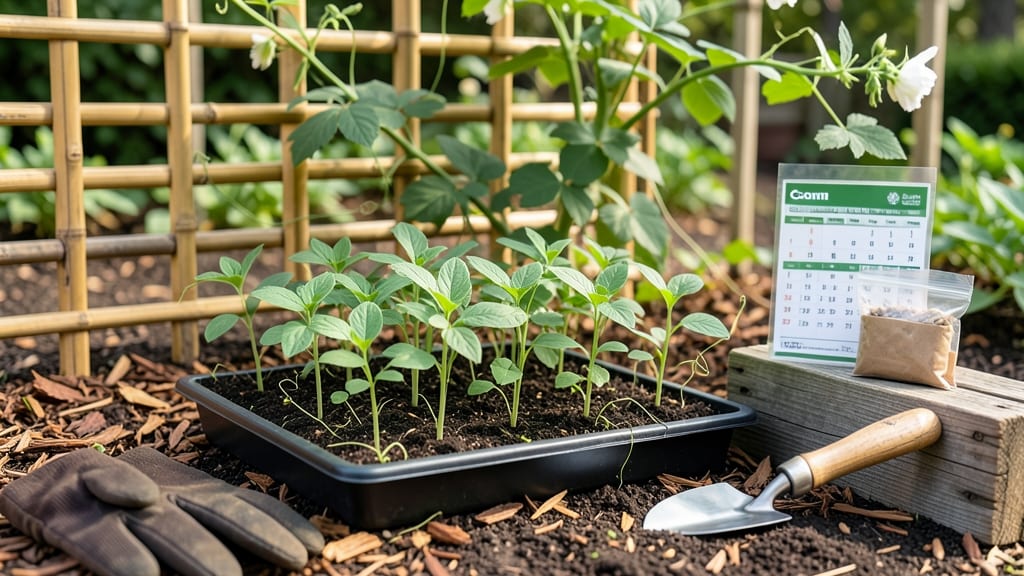
Planting English peas 🌱 at the wrong time in Alabama’s heat zone 8A can turn your sweet harvest into bitter disappointment—thanks to that dreaded "bolting" problem.
The key to avoiding it? Timing your planting window just right for your local climate, where spring warmth arrives earlier in some areas than others.
Most gardeners in Alabama swear by late winter to early spring (February–March) for that perfect balance of cool soil and warm days. But here’s the catch: if you plant too early, peas bolt before they produce; too late, and the summer heat stresses them out.
I’ll show you exactly how to nail the ideal window—plus how Alabama’s coastal vs. inland microclimates can shift your schedule by weeks.
You’ll also discover why fall planting (August–September) works surprisingly well in this zone—and how to pick the best varieties for your garden. Whether you’re a first-timer or a seasoned gardener, these insights will help you grow more peas, faster, without the frustration.
Let’s dive into the science-backed schedule that keeps your English peas thriving from seed to harvest—no bolting in sight.
Optimal planting windows for English peas in Alabama’s heat zone 8A
Alabama’s Heat Zone 8A creates a unique challenge for growing English peas—the wrong timing can send your plants bolting before you even see pods. Unlike northern climates, our humid summers and mild winters demand precise planting windows to avoid heat stress and ensure sweet harvests.
The key? Planting when soil temperatures stay below 70°F and daytime highs don’t exceed 85°F.
Most gardeners focus on spring planting, but Alabama’s fall window (August-September) often yields better results—avoiding summer’s oppressive heat while still producing harvests before frost. Coastal areas like Mobile may have 2-3 weeks earlier planting dates than inland regions like Birmingham due to microclimate variations.
Let’s break down the exact timing for both shelling peas and snow peas to maximize your yield.
⚠️ Critical Note: Never plant English peas when soil temps exceed 80°F—this triggers bolting within 7-10 days. Use a soil thermometer to verify conditions before sowing.
| Planting Window | Best For | Soil Temp | Last Frost Risk | Harvest Window |
|---|---|---|---|---|
| Late February - Early March | Spring shelling peas | 45-65°F | Low (plant 6 weeks before last frost) | April - June |
| Mid-August - Early September | Fall shelling/snow peas | 60-75°F | Moderate (harvest before first frost) | October - November |
| Early October (coastal) | Late fall snow peas | 55-68°F | High (use row covers) | November - December |
*Timing shifts 2-3 weeks earlier in coastal Alabama (e.g., Mobile) vs. inland (e.g., Birmingham).
For spring planting, aim to sow seeds 4-6 weeks before your area’s last frost date. In Alabama’s Zone 8A, this typically falls between late February and early March.
Coastal areas like Mobile can start as early as mid-February, while inland regions should wait until early March to avoid soil warmth that triggers premature flowering. Use black plastic mulch to keep soil cool if planting early.
My go-to variety for spring is 'Sugar Sprint'—it matures in just 55 days, giving you an edge before summer heat sets in. For fall planting, switch to 'Oregon Sugar Pod', which handles cooler temps better and produces snow peas perfect for late-season harvests.
Both varieties thrive when planted in well-draining soil with a pH of 6.0-7.0.
If you’re in northwest Alabama (e.g., Huntsville), push your fall planting to early September to avoid early frosts. In southeast Alabama (e.g., Dothan), you can extend fall planting until mid-September thanks to warmer microclimates.
Always check your local frost dates—Alabama’s first frost typically arrives between mid-November and early December, but coastal areas may see frost as late as December 15th.
Pro tip: Use shade cloth (30-50%) during spring’s warm spells to delay bolting. I’ve seen this extend the harvest window by 2-3 weeks in years when March temps spike unexpectedly.
Pair this with drip irrigation to maintain even moisture—peas hate fluctuating soil conditions, which can stress roots and trigger flowering.
For container growing, choose 5-gallon pots with trellises—this works surprisingly well on patios in Birmingham’s urban heat islands. Just remember: containers dry out faster, so water daily in summer and every other day in spring/fall.
I’ve grown 10-12 plants per container successfully using this method, with harvests starting just 60 days after sowing.
Finally, mark your calendar for August 15th—this is my personal deadline for fall planting in central Alabama. After this date, soil temps creep too close to 75°F, increasing bolting risk. If you miss this window, wait until early October for a cool-season crop that matures before frost.
With these timelines, you’ll avoid the #1 mistake Alabama gardeners make: planting too late in summer or too early in spring.
Optimal planting windows for English peas in Alabama’s heat zone 8A
Alabama’s Heat Zone 8A creates two perfect windows for planting English peas: fall and early spring. The key is avoiding summer heat, which causes bolting—when plants flower prematurely instead of producing pods.
For most of Alabama, this means planting between mid-February and early March for spring harvests and mid-August to early September for fall yields.
Coastal areas like Mobile can plant 1-2 weeks earlier thanks to milder winters, while inland regions near Birmingham should wait until late February to avoid late frosts. Always check your last frost date—typically mid-March—and plant 4-6 weeks before for spring peas.
🌱 Alabama Pea Planting Timeline
| Planting Window | Ideal Soil Temp | Harvest Window | Microclimate Adjustment |
|---|---|---|---|
| Spring (Shelling Peas) | 45-55°F | April-June | Coastal: 2 weeks earlier |
| Fall (Snow Peas) | 50-60°F | October-November | Inland: 2 weeks later |
| Avoid Summer Planting | >75°F | Bolting guaranteed | N/A |
💡 Pro Tip: Use a soil thermometer to confirm temps before planting—peas won’t germinate below 40°F.
For fall planting, aim to harvest before first frost (typically mid-November). Snow peas like 'Oregon Sugar Pod' tolerate cooler temps better than shelling peas, making them ideal for late-season gardens.
If you miss the fall window, don’t despair—winter sowing in December under row covers can yield early spring peas.
Soil preparation is critical. Alabama’s clay-heavy soils benefit from compost amendment and raised beds to improve drainage. Test your soil’s pH—peas thrive in 6.0-7.0 range. If your soil is too acidic, add lime 4-6 weeks before planting.
Remember: Peas are cool-season crops, so they’ll bolt if exposed to consistent temps above 80°F. By sticking to these windows, you’ll enjoy sweet, tender pods instead of bitter, stringy failures. Start with 2-3 varieties to spread your harvest over 4-6 weeks—this ensures continuous production.
🌿 Whether you’re a beginner gardener or a seasoned pro, timing is everything. Mark your calendar for February 15th (spring) and August 20th (fall) as your target dates, then adjust based on your local microclimate. With these windows mastered, you’re on track for a zero-bolt harvest!