
Plants
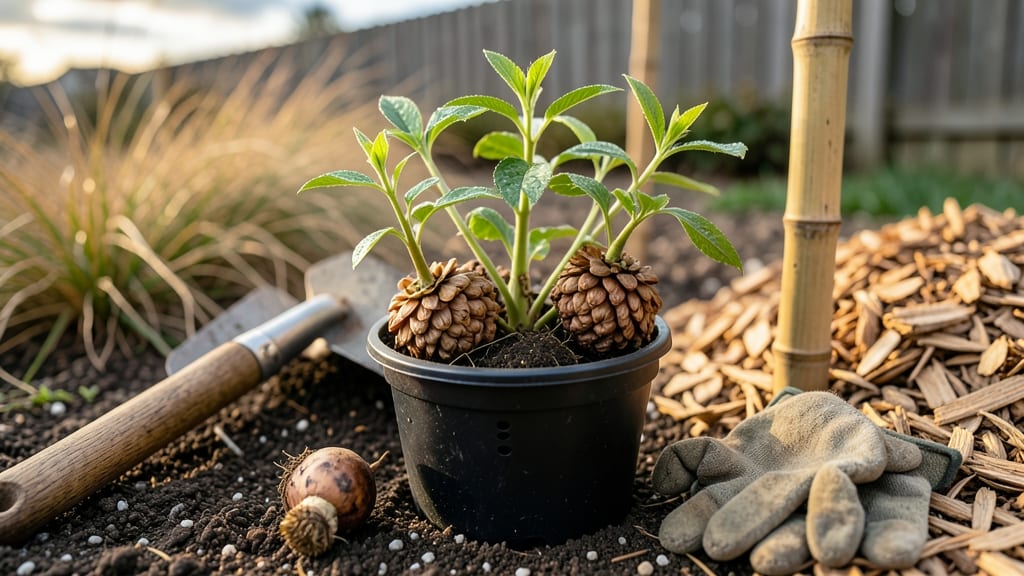
Planting dahlias in Zone 8 at the wrong time can mean skipping their stunning 🌸 blooms entirely—yet getting the timing right is simpler than you think.
Most gardeners in Zone 8 assume "after last frost" is the only rule, but soil temperature and microclimates (like coastal vs. inland) actually create 3 distinct planting windows.
I’ll show you exactly when to plant for zero frost risk and maximum growth, plus how to prep tubers for faster, healthier stems.
Whether you’re a first-time grower or a seasoned pro, knowing your local last-frost date—and adjusting for soil warmth—is the key to dahlias that thrive from July through October. Let’s break down the perfect timing for your specific Zone 8 conditions.
You’ll also discover whether to pre-sprout tubers, how deep to plant, and the 3 most common mistakes that stunt growth in Zone 8’s heat transitions. Ready to turn your garden into a dahlia paradise?
Optimal dahlias planting dates in Zone 8 by microclimate type
Zone 8 spans diverse microclimates—from coastal areas with mild winters to desert regions with rapid soil warming. These differences drastically affect dahlia planting windows.
In coastal Zone 8, cooler ocean breezes delay soil warming, while inland valleys often experience earlier frost-free periods. Desert sub-zones can have soil ready weeks before coastal areas, but heat stress risks exist. Understanding these variations ensures your dahlias thrive without wasted effort.
For all Zone 8 regions, the soil temperature threshold for planting dahlias is 60°F (15°C). Below this, tubers rot; above it, roots establish quickly. Coastal areas typically hit this mark by mid-April, while inland zones may reach it as early as late March.
Desert regions often surpass this threshold by early April, but afternoon heat requires extra care during establishment.
Last frost dates vary wildly: coastal areas might see frost as late as March 15, while desert zones could be frost-free by February 15. However, dahlias tolerate light frosts if soil stays warm, so don’t wait for "perfect" conditions. The key is balancing soil warmth with air temperature stability—aim for nights consistently above 50°F (10°C).
Here’s how to adjust your planting timeline based on your specific Zone 8 microclimate:
| Microclimate Type | Last Frost Date | Soil Reaches 60°F | Optimal Planting Window | Key Consideration |
|---|---|---|---|---|
| Coastal (e.g., San Francisco, Santa Barbara) | March 15 – April 1 | Mid-April | April 15 – May 1 | Cool nights delay growth; use black plastic mulch to warm soil faster. |
| Inland Valleys (e.g., Central Valley CA, Phoenix metro) | February 15 – March 1 | Late March | March 20 – April 15 | Rapid temperature swings; plant in afternoon shade for first week. |
| Desert (e.g., Mojave, Sonoran Desert) | January 15 – February 15 | Early April | April 1 – April 15 | Intense afternoon sun; water deeply at dusk to prevent stress. |
In coastal Zone 8, where fog and ocean breezes linger, dahlias planted before April 15 risk stunted growth or rot.
Use row covers for early starts, but remove them once shoots emerge to avoid overheating. Inland valleys offer the widest planting window—start as early as March 20 if nights stay above 50°F, but avoid planting before soil warms to protect tubers from soilborne diseases like Phytophthora.
For desert microclimates, the rush to plant early can backfire. Soil may warm quickly, but intense afternoon sun and dry winds stress young tubers.
Plant in early April and provide drip irrigation to keep roots consistently moist. Mulch heavily with straw to retain moisture and shield tubers from extreme temperature fluctuations. Desert gardeners often succeed by planting container-grown dahlias for easier moisture control.
Regardless of your Zone 8 sub-region, pre-sprouting tubers indoors 4–6 weeks before planting gives you a head start. Place tubers in potting mix in a warm, bright spot and watch for 1-inch sprouts before transplanting.
This method works especially well for coastal gardeners who face cooler soils later in the season. Inland and desert gardeners can plant unsprouted tubers directly if soil is consistently warm.
After planting, monitor soil moisture closely for the first 2 weeks. Dahlias in coastal areas need daily watering if rains are scarce, while inland and desert plants benefit from deep watering every 3–4 days.
Use a soil thermometer to confirm temperatures stay above 60°F—if they dip, cover plants with lightweight row fabric at night. Desert dahlias may also need shade cloth during peak afternoon heat to prevent leaf scorch.
Pro tip: Mark your dahlia planting date on a garden calendar and note the first bloom date. In Zone 8, coastal varieties typically bloom 8–10 weeks after planting, while desert-grown dahlias may flower 6–8 weeks earlier.
Adjust your fertilization schedule based on these timelines—feed with balanced 5-10-10 fertilizer when buds form to encourage vibrant blooms.
Timing your dahlia planting to your Zone 8 microclimate isn’t just about avoiding frost—it’s about maximizing bloom potential while minimizing stress. By aligning your efforts with soil warmth, local frost patterns, and regional heat dynamics, you’ll enjoy stunning dahlias from July through
How to prepare dahlias tubers for Zone 8 planting success
Preparing dahlia tubers for Zone 8 planting isn’t just about timing—it’s about giving your plants a head start in the warm but unpredictable spring weather.
Since Zone 8’s last frost can vary by weeks between coastal and inland areas, proper tuber care ensures your dahlias emerge strong and bloom on schedule.
I’ve found that chitting tubers (pre-sprouting) and hardening them off are two critical steps that cut early-season stress. These methods help dahlias adapt to Zone 8’s rapid temperature shifts and avoid the dreaded "floppy stem syndrome" that plagues many gardeners here.
Step-by-Step Tuber Prep for Zone 8
- 🌱 Chit Tubers Indoors (4-6 Weeks Before Planting)
Place tubers in a cool, bright spot (60-65°F) with the eyes facing up. Use a tray of perlite or vermiculite to keep them slightly moist but not soggy. - 🌡️ Hardening Off (2 Weeks Before Outdoor Planting)
Move tubers to outdoor shade for 2-3 hours daily, gradually increasing time. This acclimates roots to Zone 8’s sun and wind. - 🪴 Soil Amendment (2 Weeks Before Planting)
Amend soil with compost and bone meal (1 tbsp per plant) for phosphorus-rich growth. Zone 8’s clay-heavy soils often need sand or peat moss for drainage. - ⏰ Plant When Soil Hits 60°F (Mid-April to Early May)
Use a soil thermometer—dahlias won’t thrive in cooler soils. Coastal areas can plant 2 weeks earlier than inland zones. - 🌿 Container vs. In-Ground Planting
Containers: Use 10+ gallon pots with drainage holes. In-ground: Plant 4-6 inches deep, 12-18 inches apart in full sun.
For container gardening in Zone 8, I recommend using fabric grow bags—they prevent root-bound issues and allow for better drainage control during our unpredictable summer rains. If planting in-ground, choose a south-facing spot to maximize sunlight exposure.
One pro tip I swear by: mulch heavily after planting to retain moisture and regulate soil temperature. Zone 8’s heat spikes can dry out tubers quickly, so a 3-inch layer of straw keeps roots cool and consistent.
Finally, avoid the temptation to rush—even if your neighbors are planting earlier. Dahlias in Zone 8 need warm soil to establish roots. Wait for that 60°F threshold, and your dahlias will reward you with vibrant blooms from July to frost.