
Plants
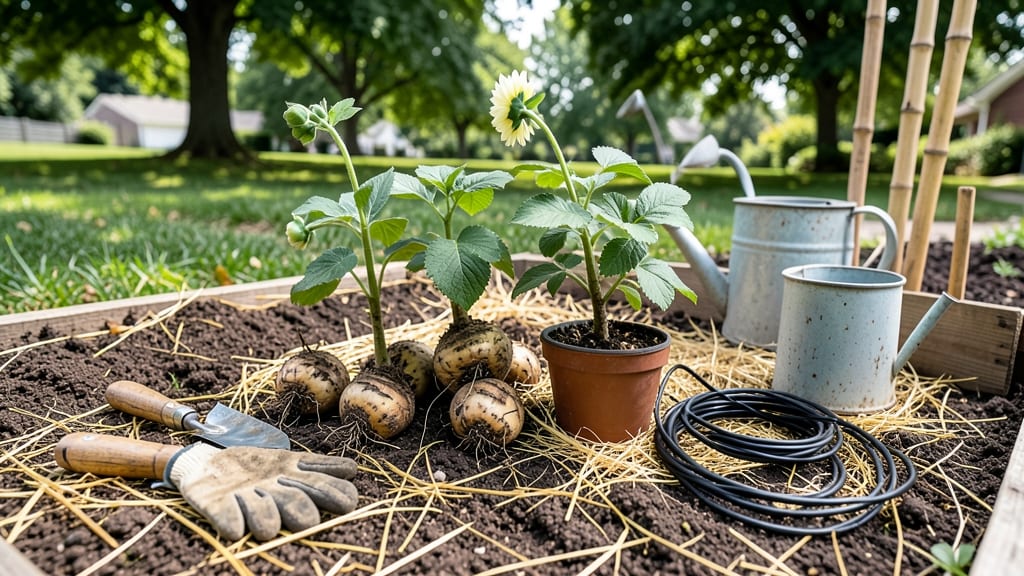
Timing your dahlias just right in San Diego means the difference between nonstop summer blooms and struggling plants that bolt before they even open. Since frost is rare here, the real challenge is avoiding heat stress—plant too late, and your 🌼 tubers will cook in the soil before they sprout.
Most gardeners in USDA Zone 10a reach for their dahlias in spring, but the ideal window is actually narrower than you’d think.
March through early April gives your tubers time to root before temperatures climb, while late April plantings often lead to leggy, weak stems that struggle to support heavy blooms.
What makes this even trickier? San Diego’s microclimates—coastal breezes, inland heat, and valley warmth—all demand slightly different approaches. I’ll break down the exact soil temperature cues and planting strategies to ensure your dahlias thrive from June through October, no matter where you live in the county.
Ready to skip the guesswork? Let’s dive into the microclimate-specific timing that’ll turn your garden into a dahlia paradise—without the stress of last-minute adjustments.
San Diego’s 3 microclimates & their ideal dahlia planting windows
San Diego’s three distinct microclimates—coastal, inland, and valley—each demand unique timing for dahlia tuber planting. Coastal areas enjoy frost-free winters and cooler summers, while inland zones face hotter temperatures and occasional late frosts.
Valley regions blend both extremes, requiring precise adjustments to avoid heat stress or premature bolting. Understanding these zones ensures your dahlias bloom from June through December without stress.
For coastal San Diego, where temperatures rarely drop below 40°F, the ideal window stretches from late February to early April. Inland areas, however, should wait until mid-April to early May when soil temperatures consistently reach 60°F.
Valley gardens—like those in Escondido or Ramona—fall somewhere in between, with early April being the sweet spot for most varieties.
Here’s the game-changer: soil temperature matters more than air temperature. Use a soil thermometer to confirm 60°F+ before planting. Coastal soils warm slower due to ocean breezes, while inland areas can overheat by May, causing tuber rot.
Valley soils often hit the 60°F threshold by late March, making it the fastest zone for direct sowing.
Direct-sowing outdoors works best in coastal zones where frost risk is near zero. Inland gardeners should start tubers indoors in February and transplant after April 15 to avoid heat stress. Valley growers have flexibility: chit tubers indoors by March 1 or plant directly in early April once soil warms.
The comparison table below breaks down the exact planting windows, soil temp thresholds, and frost-free dates for each microclimate. Use this as your personalized planting calendar to maximize bloom duration.
If you’re in coastal San Diego, direct-sow tubers in March for a head start. Inland gardeners should chit tubers in February—place them in a bright, warm spot (70°F) with the eyes facing up.
Valley growers can plant directly in early April or chit tubers by March 1 for a two-week advantage.
Pro tip: Test your soil’s drainage before planting. Dahlias hate soggy roots, so amend heavy soils with compost or perlite. Inland areas benefit from mulching to retain moisture during 90°F+ heatwaves. Coastal gardeners should stake tall varieties early—salty winds can snap stems by June.
For maximum bloom duration, time your planting to avoid late-spring heatwaves. Inland areas should plant by May 1 to prevent bolting (premature flowering). Coastal and valley gardeners can push planting to mid-April without risk. The key is soil temperature, not calendar dates.
Remember: Dahlias thrive in San Diego’s climate when given the right timing. Follow these microclimate guidelines, and you’ll enjoy continuous blooms from June through December—long after most gardeners have packed up for winter. Happy planting! 🌼
Step-by-step planting timeline for coastal vs. inland San Diego gardens
San Diego’s coastal chill and inland heat demand different planting strategies for dahlias. While coastal gardeners can start tubers in late February, inland areas should wait until mid-March to avoid heat stress. The key is matching your timeline to soil temperatures—not just calendar dates.
Here’s my month-by-month breakdown, tailored to your microclimate. Whether you’re in La Jolla or El Cajon, these steps ensure your dahlias establish roots before summer’s intensity.
📅 Step-by-Step Planting Timeline
- Late February (Coastal Only): Start tubers indoors in well-draining pots with 60°F soil. Use a mix of perlite and compost to prevent rot.
- Mid-March (All Areas): Harden off indoor tubers by moving them outdoors during the day, then back inside at night for 10-14 days.
- Early April (Coastal) / Late April (Inland): Plant tubers 4-6 inches deep in full sun, spacing them 12-18 inches apart. Coastal areas can plant earlier due to cooler soil.
- May: Mulch with 2-3 inches of straw to retain moisture and protect roots from heatwave spikes. Inland gardeners should prioritize shade cloth if temps exceed 85°F.
- June: Begin deadheading spent blooms to encourage continuous flowering. Fertilize with a 5-10-10 NPK blend to support stem strength.
- July-October: Monitor for aphids or powdery mildew. Increase watering to every 2-3 days during heatwaves, focusing on the root zone.
- November: Cut back foliage to 6 inches tall and dig up tubers. Store in dry peat moss at 50-55°F for next year’s planting.
Pro tip: Use a soil thermometer to confirm 60°F soil temps before planting—this is your green light to dig in tubers. Coastal areas often hit this mark in early April, while inland spots may need to wait until late April or even early May.
For inland gardeners, heatwave prep is critical. If your area experiences 90°F+ days, consider planting dwarf varieties like ‘Café au Lait’ or ‘Thomas Edison’ to reduce stress on stems. These compact types handle heat better than towering ‘Galaxy’ or ‘Bishop’ varieties.
Remember: Dahlias in San Diego can bloom nonstop from June through October if you follow this timeline. The key is cool roots and warm air—plant too early, and your tubers rot; too late, and your blooms bolt before they open. Timing is everything!