
Plants
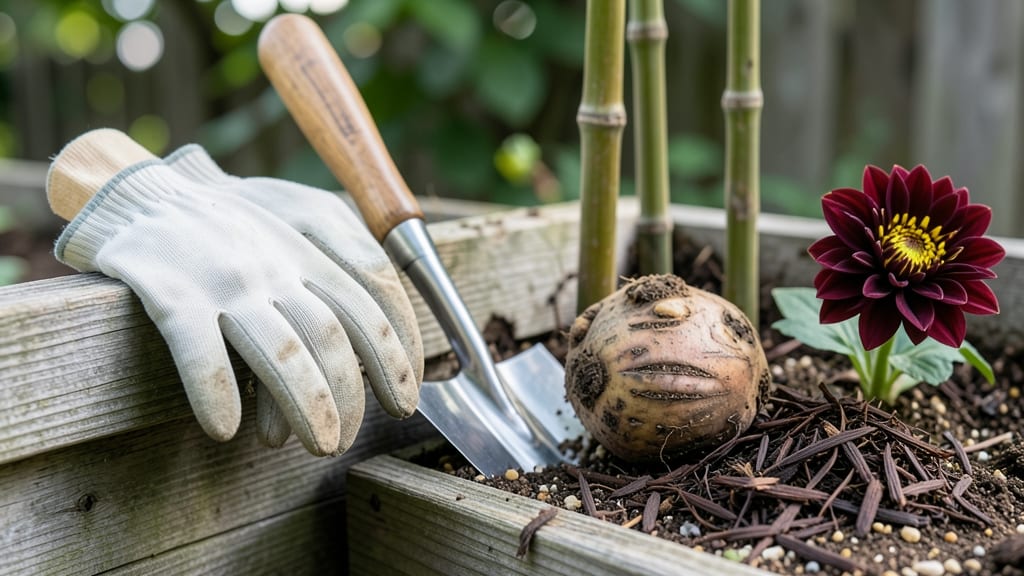
Planting dahlias in Kansas after the last frost is your golden ticket to a summer garden bursting with 🌸 blooms—but timing it wrong means wilted dreams and wasted tubers.
Whether you're in Wichita's heat or Kansas City's cooler pockets, getting those tubers in the ground between April 15 and May 15 (once soil hits 60°F) makes all the difference.
Here's the kicker: rush it, and frost will turn your tender tubers to mush. Wait too long, and you'll miss the 90-day window needed for those showstopping flowers to appear by July.
Kansas gardeners know the drill—soil prep, tuber depth, and local microclimates all play a role in whether your dahlias thrive or struggle.
I'll walk you through the exact steps to time your planting like a pro, from chitting tubers indoors to hardening them off for Kansas's unpredictable spring. Plus, I'll share the one trick that keeps dahlias blooming until the first frost—because nobody wants their garden party to end too soon.
Ready to turn your yard into a 🌸 paradise? Let's get those dahlias in the ground the right way, the first time. Your future self (and your neighbors) will thank you.
Optimal dahlias planting timeline for Kansas heat zone 6b
Kansas gardeners in Heat Zone 6b face unique challenges when planting dahlias—balancing late spring frosts with sweltering summer heat. The key to stunning blooms lies in planting tubers after soil warms to 60°F and before May 15, when Kansas City averages 70°F soil temps.
Wichita, slightly warmer, may push planting 1-2 weeks later due to drier conditions. Miss this window, and you risk stunted growth or bolting before full blooms.
Dahlias thrive in Kansas's 165 frost-free days, but early planting risks frost damage to tender tubers. Wait too long, and you'll sacrifice peak bloom season (July-October).
The ideal planting window—mid-April to mid-May—aligns with when last frost dates shift from April 15 (northern KS) to April 25 (southern KS). This timing ensures tubers establish roots before summer heat stress kicks in.
Here’s your Kansas-specific dahlia planting timeline, accounting for regional variations in frost dates and soil warming:
Notice how Wichita’s drier climate allows slightly later planting? The 1-2 week delay accounts for slower soil warming in northern Kansas. Use a soil thermometer to confirm 60°F+ temps—this is your green light to plant. In Kansas City’s humid conditions, prioritize well-draining soil to prevent tuber rot.
For container gardening in Kansas, plant tubers 2 weeks earlier (mid-April) since pots warm faster. Use black plastic pots to absorb heat and extend the season. If you’re in elevated areas (like Salina), plant 1 week later—cold air sinks, delaying frost risks.
Pro tip: Mark your last frost date on your calendar and count back 6 weeks for tuber chitting. Kansas’s variable spring weather means you’ll need flexibility—always have a row cover ready for late frosts. Dahlias planted after May 15 may still bloom, but expect smaller, later flowers and reduced vigor.
After planting, monitor for slug activity in humid Kansas City areas. Use copper tape barriers around tubers to deter pests. In Wichita’s drier climate, focus on mulching to retain moisture.
Both regions benefit from morning watering to prevent fungal diseases like powdery mildew, which thrives in Kansas’s summer heat and humidity.
Remember: Dahlias are hungry feeders. In Kansas, where soil nutrients deplete quickly, side-dress with 10-10-10 fertilizer every 4-6 weeks starting in June. This timing aligns with when dahlias enter their peak growth phase and need extra phosphorus for blooming.
Skip fertilizing after August 15 to allow tubers to mature properly before frost.
By following this Kansas-specific timeline, you’ll enjoy bold dahlias from July to October, even in the heart of Heat Zone 6b. The secret? Precision planting paired with
How to prepare dahlias for Kansas planting: soil, tubers, and hardening off
Preparing dahlias for Kansas planting starts with understanding your local climate and soil conditions. Kansas gardeners face unique challenges like variable spring frost dates and humid summer conditions that can invite pests like slugs.
To ensure your tubers thrive, focus on three key areas: soil preparation, tuber care, and hardening off. These steps will set the stage for vibrant blooms from July until frost.
First, test your soil pH—dahlias prefer a range of 6.5 to 7.0. Kansas soils often lean alkaline, so amend with compost or peat moss to lower pH naturally. Mix in aged manure or bone meal for phosphorus, which encourages strong root development.
This step is critical because dahlias are heavy feeders and need nutrient-rich soil to support their lush foliage and abundant flowers.
Step-by-Step Dahlias Pre-Planting Checklist
- 1 Test soil pH and amend with compost or peat moss to reach 6.5-7.0.
- 2 Chit tubers by placing them in a bright, 60°F spot with the eyes facing up for 2-3 weeks.
- 3 Hardening off tubers by gradually exposing them to outdoor temps for 1 week before planting.
- 4 Plant tubers 4-6 inches deep in well-draining soil after last frost (mid-April in most of Kansas).
- 5 Mulch heavily with straw or shredded leaves to prevent slugs and retain moisture.
Chitting your dahlia tubers is a game-changer for Kansas gardeners. This process involves placing tubers in a bright, 60°F environment with the eyes facing upward for 2-3 weeks before planting. Chitting encourages early sprouting, giving your dahlias a head start in Kansas’s short growing season.
Store tubers in a cool, dark place (like a garage) until you’re ready to chit them in early April.
Once your tubers have sprouted, it’s time to harden them off. Gradually expose them to outdoor conditions over 5-7 days to avoid shock. Start with 2-3 hours of sunlight per day and increase daily.
This step is especially important in Kansas, where temperature swings can stress young plants. Hardening off ensures your dahlias transition smoothly from indoor storage to outdoor planting.
When planting, space tubers 12-18 inches apart in well-draining soil and cover them with 2-3 inches of soil. In Kansas’s humid summers, mulching is non-negotiable. Use straw or shredded leaves to suppress weeds, retain moisture, and deter slugs, which thrive in Kansas’s damp conditions.
Water deeply after planting to encourage root growth, but avoid overwatering, which can lead to rot.
Finally, monitor your dahlias for early signs of pests like slugs or aphids. In humid Kansas summers, these pests can quickly become a problem. Use organic slug baits or diatomaceous earth as a preventive measure.
With these steps, your dahlias will establish strong roots and reward you with bold, long-lasting blooms all season long.