
Plants
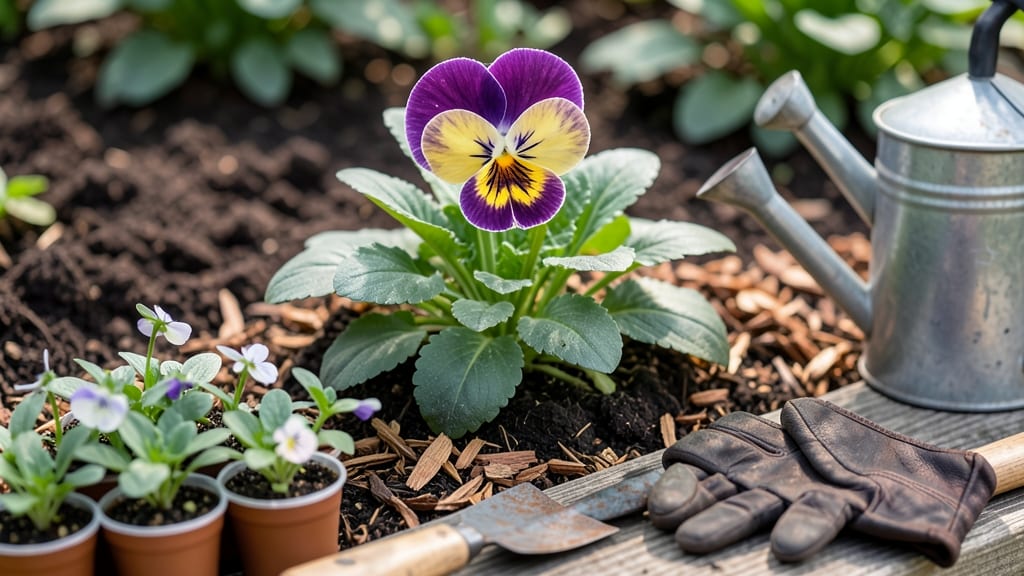
Planting pansies in Georgia at the wrong time means your bold winter blooms might never happen—even though these cheerful 🌸 flowers thrive in our mild climate. The secret lies in timing, and in Heat Zone 8a, a small window of opportunity separates stunning flowerbeds from wilted disappointment.
Most gardeners in Georgia swear by fall planting, but did you know spring also works—if you get the timing right? I’ve tested both seasons, and the difference between 6 weeks of color and 12 weeks of show-stopping blooms comes down to soil temps, frost dates, and a few pro tricks.
Let’s break it down so you can plant with confidence.
Fall is your best bet for winter blooms, but spring planting can still deliver early-season beauty if you follow the 4-6 week rule before your last frost.
Whether you’re a first-time gardener or a seasoned pro, these insights will help you avoid common mistakes and keep your pansies thriving all season long.
Ready to transform your garden? I’ll walk you through the exact months to plant, soil prep tips, and even how to extend blooms longer than ever. Your winter garden is about to get a whole lot brighter—and it starts with the right timing.
Optimal planting windows for Georgia pansies: fall vs spring breakdown
Georgia’s Heat Zone 8a climate gives you two prime chances to plant pansies: fall and spring. But timing matters more than you think. Fall planting is my top recommendation—it lets pansies establish roots before winter while still blooming through the cold months.
Spring planting? It’s a close second if you want summer color, but you’ll need to act fast.
The key is understanding your frost dates. In most of Georgia, the first frost hits around mid-November, and the last frost typically arrives by mid-March.
These dates are your planting anchors. Planting too early or too late can leave your pansies struggling with heat stress or frost damage.
For fall planting, aim to get pansies in the ground 4-6 weeks before your first frost. That usually means early September to mid-November. This window gives your pansies enough time to root deeply before winter sets in.
If you plant too early (like in August), the summer heat can stress young plants before they’re established.
Spring planting is trickier because Georgia’s last frost can vary by region. To be safe, plant late February to early April, giving your pansies time to bloom before summer’s heat arrives. If you’re in northern Georgia, you might push planting to early April to avoid late frosts.
| Planting Window | Ideal Months | Soil Temperature | Frost Risk | Bloom Time |
|---|---|---|---|---|
| Fall Planting | Early Sept - Mid-Nov | 50-65°F | Low (established roots) | Winter-Spring |
| Spring Planting | Late Feb - Early Apr | 55-70°F | Moderate (late frosts) | Spring-Summer |
*Soil temps below 50°F can stunt root growth. Use a soil thermometer to check!
Why does fall planting win in Georgia? Because pansies are cool-season plants. They thrive when temperatures dip below 75°F, and they’ll even survive light frosts once established.
Planting in fall means your pansies will be root-bound and ready to bloom as soon as winter arrives, giving you color when most gardens are dormant.
If you’re planting in spring, choose heat-tolerant varieties like 'Matrix' or 'Soraya' to handle Georgia’s occasional 90°F+ days. These varieties can take the heat better than traditional pansies, but they’ll still need afternoon shade to prevent wilting.
Spring-planted pansies often bolt (go to seed) quickly in the heat, so enjoy their blooms early and often.
Pro tip: Check your local frost dates using the USDA Plant Hardiness Zone Map or your cooperative extension service. Georgia’s coastal regions (like Savannah) have milder winters, while the Piedmont (Athens, Macon) can see harder frosts. Adjust your planting window by 1-2 weeks based on your specific microclimate.
One mistake I see often? Planting pansies in summer heat. If you miss your fall window, wait until September to try again. Summer heat will shock young plants, and they’ll either wilt or bolt before you see blooms. Patience is key—Georgia’s climate rewards those who plan ahead.
For container gardening, the rules are the same, but you’ll need to move pots to protected spots if frost is forecasted. Pansies in containers dry out faster, so water consistently and use self-watering pots if you’re busy.
Containers also warm up faster in spring, so start spring planting 2 weeks earlier than in-ground plants.
Pansy variety heat tolerance chart: which types thrive in Georgia’s winter
Georgia’s mild winters and hot summers create unique challenges for pansy growers. Not all varieties handle our Heat Zone 8a climate equally—some wilt under summer heat while others thrive.
Choosing the right pansy variety means the difference between bold winter blooms and wilting disappointment. Let’s break down which types perform best in Georgia’s microclimates.
Microclimates across Georgia’s Piedmont and coastal regions can vary dramatically. For example, Athens (Zone 8a) has cooler winters than Savannah (Zone 8b), affecting which pansies will survive and flourish.
Some varieties, like 'Ice Dance', handle light frost beautifully, while others, like 'Soraya', struggle when temperatures dip below 25°F.
Heat tolerance isn’t just about cold resistance—it’s also about how well a pansy handles spring warmth and fall heat spikes. In Georgia, pansies planted in late September often face unexpected heat waves before winter sets in. The right variety will rebound quickly, while others may languish or bolt prematurely.
For Georgia gardeners, 'Ice Dance' and 'Cool Wave' are top picks for winter color due to their high cold tolerance. These varieties can handle light frosts and still produce vibrant blooms from December through March.
However, if you’re planting in coastal Georgia, where winters are milder, 'Soraya' (with its heat tolerance) may outperform others in spring and fall.
Bloom duration also varies by variety. 'Majestic Giant', for example, offers longer-lasting flowers but may struggle in heat, while 'Matrix' provides a balanced performance year-round. If you’re aiming for continuous color, mix cold-hardy and heat-tolerant varieties in your fall planting schedule to ensure season-long interest.
Pro tip: Mulch heavily in late fall to protect pansy roots from temperature swings. A 2-3 inch layer of straw can make the difference between wilting pansies and a showstopping winter garden.
Pair your heat-tolerant varieties with shade cloth during spring heat waves to extend their blooming season into early summer.