
Plants
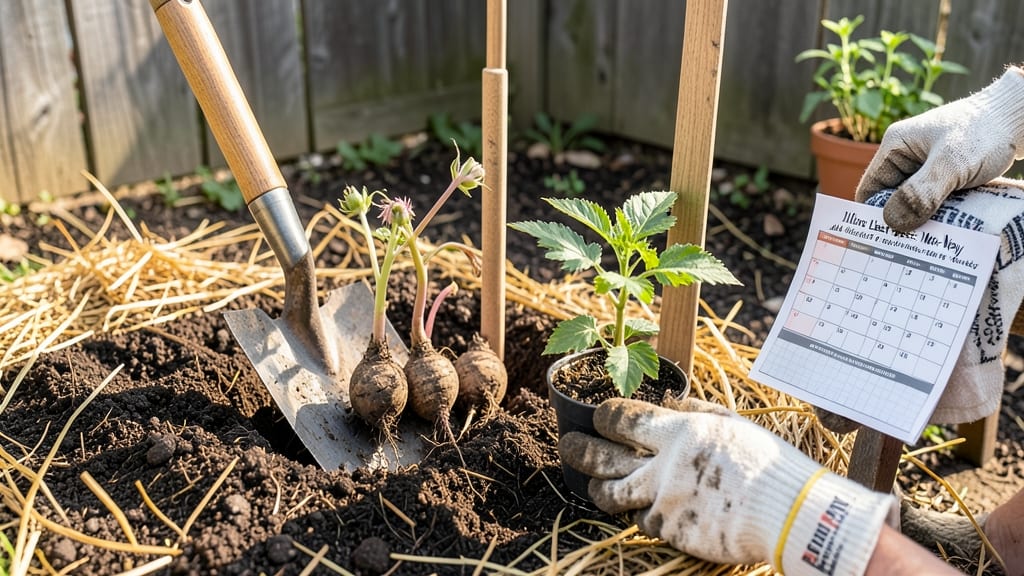
Planting dahlias in Illinois at the wrong time can turn your dream garden into a sad, frost-nipped memory—especially when those sneaky late frosts roll in. The perfect window starts after your last frost date, but Illinois' microclimates mean Chicago's timing differs from St. Louis'.
I've learned the hard way that waiting until soil hits 60°F is key—too early and your tubers rot; too late and you miss peak bloom season. Whether you're in USDA Zone 5b or 6b, knowing exactly when to plant makes all the difference for those showstopping 🌸 blooms.
This guide breaks down the science behind Illinois' planting zones and shares my foolproof methods for extending your growing season without risking frost bolting. We'll cover soil prep, transplanting tips, and even how to cheat the system with row covers.
Ready to transform your garden? Let's dive into the timing secrets that'll have your dahlias thriving from July through October—no matter where you are in the state.
Illinois microclimate planting zones: when to plant dahlias by region
Illinois spans USDA Hardiness Zones 5a-6b, creating distinct microclimates that dramatically impact dahlia planting success. Northern Illinois (Chicago area) typically falls in Zone 5b, while Central Illinois (Springfield) sits in Zone 6a, and Southern Illinois (St. Louis) often reaches Zone 6b.
These zones influence your last-frost dates and soil warming timelines, which are critical for dahlias that bolt (prematurely flower) when stressed by cold.
Dahlias thrive when planted after the soil temperature consistently reaches 60°F—a threshold that arrives 2-4 weeks earlier in Southern Illinois than in the North. Late frosts (common in April) can devastate young tubers, so knowing your region’s average last-frost date is non-negotiable.
For example, Chicago’s last frost averages April 25, while St. Louis sees it by April 10.
Here’s the microclimate breakdown for planting dahlias in Illinois, including soil prep tips and frost-avoidance strategies tailored to each region:
| Region | USDA Zone | Last Frost Date | Planting Window | Soil Temp Threshold | Action |
|---|---|---|---|---|---|
| Northern (Chicago) | 5b | April 25 | May 1–15 | 60°F (mid-May) | Use row covers for early planting |
| Central (Springfield) | 6a | April 15 | April 25–May 10 | 60°F (late April) | Plant after April 25; mulch heavily |
| Southern (St. Louis) | 6b | April 10 | April 15–30 | 60°F (early April) | Direct sow as early as April 15 |
For Northern Illinois gardeners, the risk of frost lingers until mid-May, so I recommend starting tubers indoors in late March (6-8 weeks before transplanting).
Use biodegradable pots to avoid root disturbance, and harden off seedlings for 7-10 days before moving them outdoors. Row covers can push your planting window back by 2-3 weeks, but remove them once true leaves emerge to prevent overheating.
In Central Illinois, where last frosts average April 15, you can direct-sow tubers after that date if soil temperatures are stable.
Test soil warmth with a soil thermometer—dahlias won’t thrive until it hits 60°F. Mulch with straw (3-4 inches) to insulate roots and retain moisture, which is critical during Illinois’ unpredictable spring rains.
Southern Illinois gardeners enjoy the earliest planting window, often as early as mid-April. Here, early varieties like ‘Café au Lait’ (dwarf) or ‘Thomas Edison’ (standard) thrive with minimal frost risk. Avoid overwatering—dahlias in Zone 6b can suffer from root rot if soil stays soggy.
Aim for 1-2 inches of water per week, delivered directly to the base of the plant.
Regardless of your Illinois microclimate, plant dahlias 4-6 inches deep and space them 12-18 inches apart (closer for dwarf varieties). Cut back foliage by half before winter to reduce disease risk, then store tubers in cool (40-50°F), dry conditions (like a garage) until next spring. Label your tubers—varieties like ‘Galaxy’ or ‘Karma Choc’ often get mixed up!
Pro tip: Check the Illinois State Water Survey’s frost data (updated annually) for your specific county. Late-season frosts in October can also damage dahlias, so cover plants with frost cloth if temperatures dip below 28°F.
With the right timing, your dahlias will reward you with summer-long blooms—worth the microclimate detective work! 🌸
How to extend dahlia growing season in Illinois without risking frost bolting
Illinois' unpredictable spring weather can make dahlias tricky to grow—especially when you're eager to plant tubers 3-4 weeks before the official last frost date. I've found that using season-extending tricks lets me plant earlier without risking frost damage.
The key is combining soil warming, protective covers, and smart transplanting timing.
One of my favorite methods is using black plastic mulch to warm the soil faster. Simply lay it down 2-3 weeks before planting—this raises soil temps by 5-10°F, helping dahlias establish roots before summer heat arrives.
For extra insurance, I add a row cover on chilly nights until the plants reach 12 inches tall.
Organic Soil Warmers
- Pros: Compost piles, straw mulch
- Cons: Slower heat buildup, needs more maintenance
Synthetic Soil Warmers
- Pros: Faster warming, reusable, easy to install
- Cons: Higher upfront cost, plastic waste
Organic gardens
Urban gardens
For gardeners in USDA Zone 5b (like Chicago), I recommend starting tubers indoors in early March using grow lights. This gives you a 4-6 week head start.
When transplanting outdoors, harden off seedlings for 7-10 days by placing them in a sheltered spot during the day and bringing them in at night.
Another game-changer is using cold frames or mini greenhouses for early planting. These create a microclimate that's 10-15°F warmer than outside. I've successfully planted dahlias in late March this way, with no frost damage. Just remove the cover once plants are established and temperatures stay above 50°F consistently.
Remember to monitor your local frost forecast using resources like the Midwest Regional Climate Center. Their last frost date maps for Illinois show that Chicago's average last frost is April 22, while St. Louis sees theirs around April 15.
Use these dates as your baseline, but always be ready to cover plants if frost is predicted.
With these techniques, you can push your dahlias' growing season 2-4 weeks earlier without risking frost bolting. The result? Longer bloom times and more cut flowers for your home. Just remember: patience is key—rushing the process leads to weak plants that struggle in summer heat.