
Plants
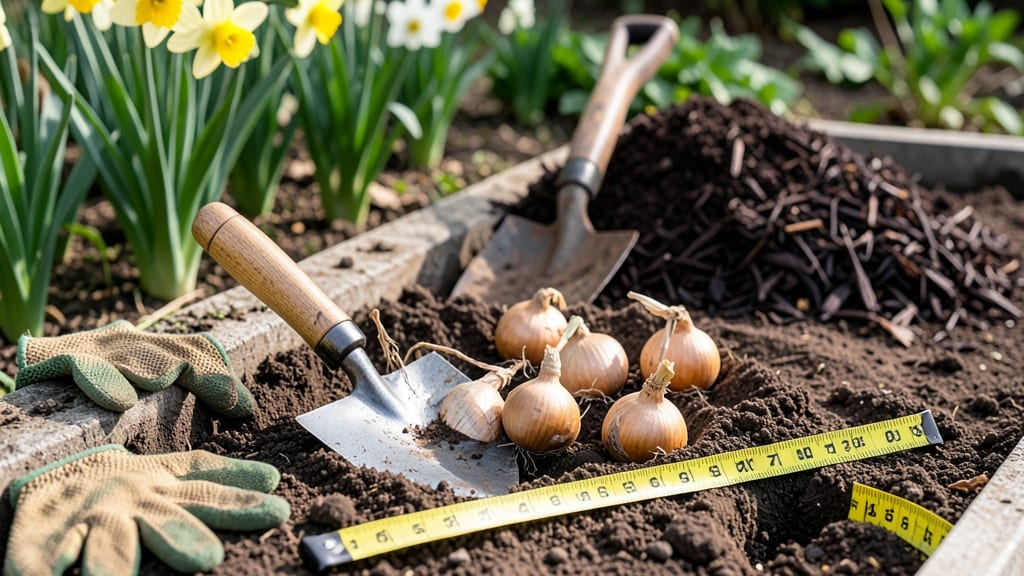
Planting daffodils in Virginia at the wrong time can mean the difference between a vibrant spring garden and wasted bulbs. With USDA zones ranging from 6a to 7b, timing matters—especially when coastal areas and mountain regions have very different frost patterns.
Most gardeners know fall is the ideal window, but October through November is when Virginia’s soil cools just enough for bulbs to root before winter. Miss this window, and your 🌼 daffodils might rot in soggy ground or fail to bloom.
The key? Planting 4-6 weeks before the first frost—usually by mid-October in most areas.
Whether you’re in the Tidewater, Piedmont, or Appalachians, local microclimates play a huge role. Coastal zones stay milder longer, while higher elevations freeze earlier. I’ll break down exactly when to dig in your specific corner of Virginia—and how to prep soil for stronger, longer-lasting blooms.
Ready to get it right? Let’s dive into the perfect planting schedule, soil tips, and post-planting care to ensure your daffodils burst into color next spring—without a single bulb left behind.
Virginia planting zones & best months for daffodil success
Virginia’s USDA zones 5-8 create a perfect stage for daffodils, but timing matters more than you might think. Coastal areas like Norfolk (Zone 8a) have milder winters, while Roanoke (Zone 7a) and Blacksburg (Zone 6a) experience earlier frosts.
Plant too early, and your bulbs may sprout before winter; too late, and they won’t root before the ground freezes.
For spring blooms you’ll love, aim to plant daffodils when soil temps drop to 60°F (15°C) but before hard frosts. This window typically spans October through January, but elevation and microclimates shift those dates dramatically.
Let’s break down the best months for each Virginia region to ensure your daffodils thrive.
In coastal Virginia (Zones 8a-8b), daffodils can handle late fall planting because mild winters delay frost. I’ve seen Norfolk gardeners successfully plant as late as January, but bulbs need time to root before spring.
For Piedmont regions (Zones 7a-7b), focus on October—this gives bulbs enough time to establish roots before November frosts.
Higher elevations like Roanoke (Zone 6a) demand earlier planting. The Appalachian foothills can experience sudden temperature drops, so aim for September if possible. I once planted daffodils in Blacksburg in late October, and they barely survived the winter—lesson learned!
For valley regions, cold air settles low, so plant early October to avoid late-season freezes.
Timing isn’t just about the calendar—it’s about soil temperature. Use a soil thermometer to confirm temps are below 60°F (15°C) before planting. In warmer zones (8a), this might mean waiting until November, while cooler zones (6a) may need September planting.
Pro tip: Plant after the first frost but before the ground freezes solid.
Don’t overlook bulb depth, which varies by region. In sandy coastal soils, plant bulbs 6 inches deep; in clay-heavy Piedmont soils, go 4-5 inches deep.
Mountain gardens with well-draining soil can use the standard 6-inch depth. Over-deep planting can lead to rot, while shallow planting may expose bulbs to freeze damage.
After planting, mulch heavily with straw or leaves to insulate bulbs. In coastal areas, salt spray can damage foliage, so rinse bulbs before planting.
For mountain gardens, add an extra 2 inches of mulch to protect against winter temperature swings. I’ve found that well-mulched daffodils in Ro
Microclimate adjustments: coastal vs. mountain planting tips
Virginia’s coastal regions like Norfolk and Virginia Beach experience milder winters and salt-laden air, while mountain areas such as Roanoke and Blacksburg face earlier frosts and cooler soils. These differences mean your daffodil planting timing and soil prep should shift dramatically based on your location.
In coastal Virginia, where the first frost often arrives in late November, you can plant daffodils as late as December—but only if your soil hasn’t frozen solid.
Meanwhile, in the Appalachian foothills, where frosts can hit as early as mid-October, aim to plant by early November to give bulbs time to root before winter.
Salt spray near the coast can also stress daffodils, so amend soil with compost to improve drainage and flush away excess salt. In mountain regions, focus on mulching with straw to insulate bulbs from freezing temperatures and prevent soil heaving.
Here’s how to tailor your approach:
Coastal Virginia (USDA Zones 7b-8a)
- Later planting window
- Warmer soils for root growth
- Less risk of frost damage
- Salt spray can harm bulbs
- Soil may stay wet longer
- Humidity increases fungal risks
Mountain Virginia (USDA Zones 6a-7a)
- Earlier frost dates signal planting
- Cooler soils reduce pest pressure
- Well-draining soils in uplands
- Shorter planting window
- Soil freezes faster
- Higher elevation = shorter growing season
For coastal gardeners, test soil salinity before planting—aim for a reading below 2,000 ppm to avoid bulb damage. In mountain areas, plant in raised beds if your native soil is heavy clay, as this improves drainage and warms up faster in spring.
Pro tip: Use a soil thermometer to check when soil temps drop below 50°F—this is your cue to stop planting, even in coastal zones. In the mountains, wait until soil temps are consistently 55°F before covering bulbs with mulch.
🌼