
Plants
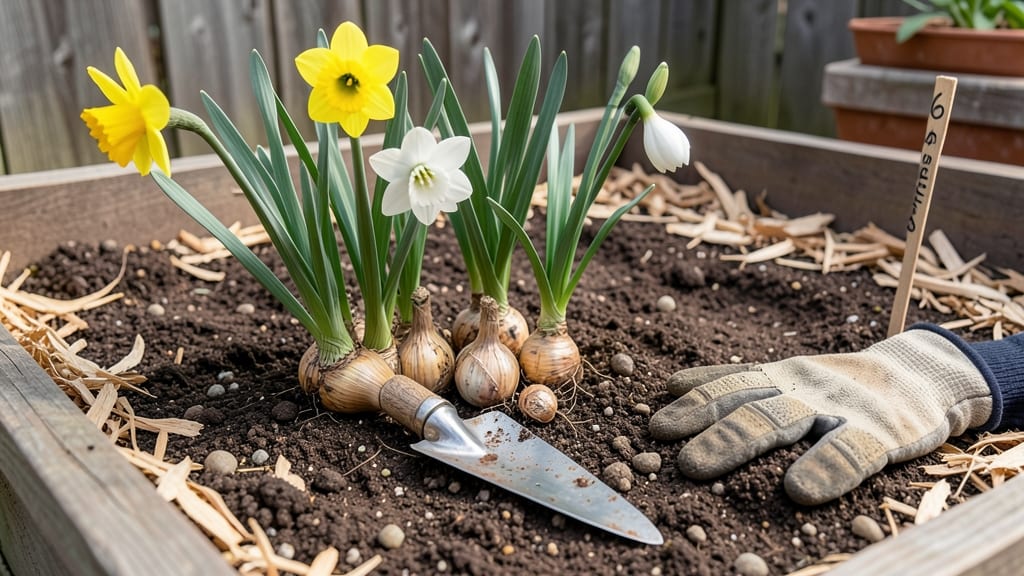
Planting daffodils 🌼 in Portland, Oregon, isn't just about picking a month—it's about catching that sweet spot before the ground freezes. With Portland's USDA Zone 8b climate and unpredictable frost dates, timing is everything for those vibrant spring blooms you're dreaming of.
Most gardeners in Portland swear by planting between September and November, but why? It’s all about giving those bulbs time to root before winter sets in. Too early, and they might sprout prematurely; too late, and frost could damage them before they establish.
Let me show you how to nail the perfect window for your garden.
What makes Portland unique? Unlike colder regions, our mild winters mean you’ve got a little more flexibility—but that doesn’t mean you can wait until December. I’ll break down the ideal months, soil prep tips, and even how to adjust if your microclimate runs warmer or colder than average.
Ready to set your daffodils up for a show-stopping spring? Stick around—I’ll walk you through everything from bulb selection to post-planting care, so you can enjoy those cheerful blooms without the guesswork.
Portland’s best planting months for daffodils: frost-free timing guide
Timing your daffodil bulbs correctly in Portland is the secret to vibrant spring blooms without frost damage. Since Portland falls in USDA Zone 8a/8b, the window between first frost (average November 15) and soil freezing is narrow—typically just 6-8 weeks.
Plant too early, and bulbs may sprout prematurely; too late, and they won’t establish roots before winter. My goal is to help you pinpoint the perfect 6-week window for zero-frost success.
Daffodils thrive when planted in cool soil (ideally 50–60°F) but before the ground freezes. In Portland, this usually means mid-October to mid-November. However, microclimates—like urban heat islands or high-elevation gardens—can shift this window by 2–3 weeks.
For example, areas near the Willamette River may stay frost-free longer, while East Portland hills can experience earlier freezes. Let’s break down the exact timing and adjustments you’ll need.
🌼 Key Insight: Daffodils need 6–8 weeks of root establishment before winter. Planting too close to frost risks bulb rot, while early planting can lead to premature sprouting and weak stems. Portland’s unpredictable frost dates (ranging November 1–December 15) mean flexibility is key.
| Month | Ideal Planting Window | Soil Temp (°F) | Frost Risk | Notes |
|---|---|---|---|---|
| Mid-October | October 15–31 | 50–60°F | Low (average first frost: Nov 15) | Best for early bloomers; bulbs establish roots before cold sets in. |
| November | November 1–15 | 40–50°F | Moderate (frost likely after Nov 15) | Ideal for late varieties; mulch heavily to insulate bulbs. |
| Early December | December 1–10 | 35–45°F | High (soil may freeze) | Risky; only for experienced gardeners with frost protection. |
| Late September | September 20–30 | 60–70°F | None | Possible for early-sprouting varieties (e.g., 'Tête-à-Tête'); monitor for premature growth. |
For most Portland gardeners, October is the goldilocks month for planting daffodils. By mid-October, soil temperatures drop to the ideal 50–60°F range, giving bulbs time to root before first frost. I recommend aiming for October 15–31 as your primary window.
During this time, daffodil bulbs can establish 50% of their root system before winter dormancy, ensuring stronger stems and bigger blooms next spring.
If you miss October, don’t panic—November planting is still viable if you take precautions. The key is to plant by November 15, when the average first frost hits Portland. Use a thick layer of mulch (3–4 inches of straw or shredded leaves) to insulate bulbs.
In my own garden, I’ve successfully planted daffodils as late as early December by adding an extra layer of straw mulch and covering with burlap during cold snaps.
Pro tip: Check soil temperatures weekly using a soil thermometer. Daffodils won’t sprout until soil temps drop below 50°F, but roots can form in 50–60°F soil.
If your soil is still above 60°F in late October, wait a week or two—premature sprouting weakens bulbs and makes them more susceptible to frost damage.
Portland’s microclimates can shift frost dates by 1–3 weeks. For example, gardens in Southeast Portland (like Mount Tabor) often experience frost 10–14 days earlier than North Portland neighborhoods. To adjust, monitor local frost forecasts from Oregon State University’s Garden Hotline or use a frost calendar for your specific neighborhood.
If you’re unsure, err on the side of planting earlier—daffodils handle delayed planting better than rushed timing.
One common mistake Portland gardeners make is planting daffodils too shallow. In cooler climates, bulbs need 6–8 inches of soil coverage to protect them from frost heave. I’ve seen many gardeners plant them only 3–4 inches deep, which can expose bulbs to freeze-thaw cycles and stunt growth.
Use a trowel or bulb planter to dig holes 3x the bulb’s height—this ensures they’re snug and insulated.
Finally, consider layering planting depths for extended blooms. Plant some bulbs shallower (4–5 inches) for early spring flowers and others deeper (7–8 inches) for late-season blooms. This technique works especially well in Portland’s variable frost patterns, giving you continuous color from March to May.
Just remember: deeper bulbs may take 1–2 years to bloom, but they’ll
How to adjust planting for Portland’s microclimates and frost risks
Portland’s varied landscapes create unique challenges for daffodil planting. Urban heat islands in downtown areas can delay frost by weeks, while high-elevation spots near the Willamette Valley might freeze earlier. These microclimates mean your neighbor’s perfect timing could be disastrous for your garden.
The key to success lies in understanding your specific zone. Most Portland gardens fall into one of three categories: urban heat zones, sheltered microclimates, or high-elevation areas. Each requires different adjustments to planting schedules and frost protection strategies.
For example, gardens near the Willamette River or in downtown Portland often experience delayed frost dates, sometimes as late as December 15. Meanwhile, areas like Sauvie Island or Mount Hood foothills can see frost as early as November 1.
Knowing your exact microclimate helps you avoid common mistakes like planting too late in warm zones or too early in cold pockets.
⚠️ callout warning ⚠️
⚠️ Portland’s Daffodil Planting Deadline Trap
Many Portland gardeners wait until late November to plant daffodils, thinking they have extra time. But this is risky—especially in Zone 8a areas where frost can arrive anytime after November 15. Bulbs need 4-6 weeks to establish roots before winter dormancy. Planting after November 1 in colder microclimates often results in frost-damaged bulbs that fail to bloom.
Pro Tip: Use a soil thermometer—plant when soil temps hit 50-60°F (ideal for root growth).
Soil insulation is your first line of defense against Portland’s unpredictable frost patterns. In urban heat zones, I recommend adding a 2-3 inch layer of straw mulch after planting.
This creates a protective barrier that insulates bulbs from sudden temperature drops. For high-elevation gardens, consider using pine needles or leaf mulch, which provide better insulation than straw.
Another critical adjustment is backup planting dates. If your area experiences an early frost (like the 2021 November freeze), have a second batch of bulbs ready to plant in late December or early January.
These late-planted bulbs may not bloom as vigorously, but they’ll still establish roots for next year’s flowers.
Common mistakes Portland gardeners make include planting daffodils too shallow (they need 6-8 inches of soil coverage) or ignoring sheltered garden spots. A north-facing garden might stay frost-free longer than your south-facing bed.
Always observe your garden’s unique patterns for at least 3 years before finalizing your planting schedule.
For maximum success, combine these strategies: plant in October for most areas, use mulch insulation, and monitor local frost forecasts. With these adjustments, your daffodils will thrive despite Portland’s mild but unpredictable winters. 🌼