
Plants
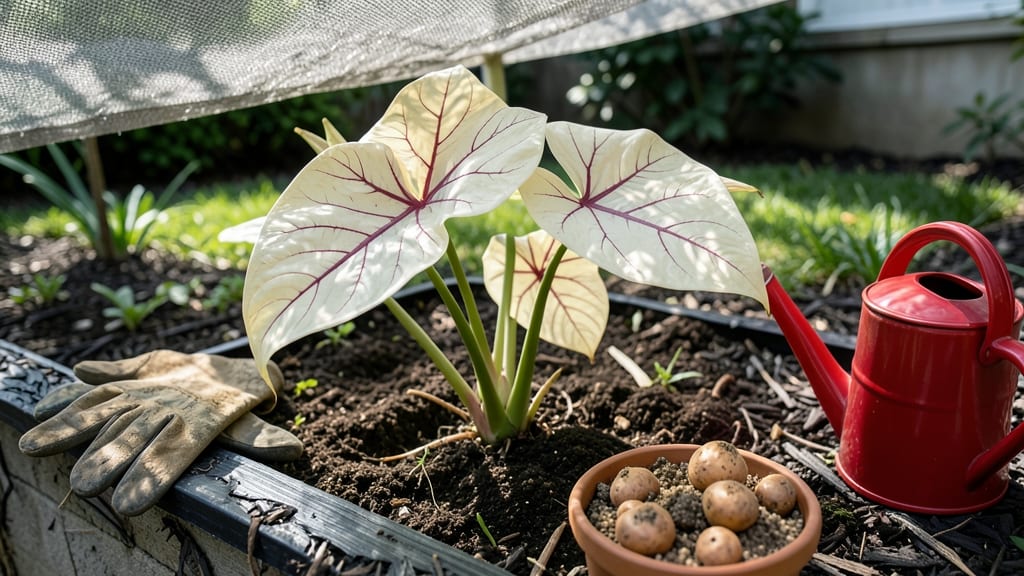
Planting caladiums in Texas isn’t just about waiting for spring—it’s about catching that perfect window between frost risk and scorching heat. These stunning 🌿 tubers need warmth to thrive, but timing them wrong means either freezing or wilting before they even show off their bold foliage.
Texas gardeners face a tricky balance: North Texas’ late frosts can linger into March, while South Texas’ early heat pushes planting into February. Get it wrong, and you’ll either lose your investment to cold snaps or watch your caladiums struggle in the summer sun.
Here’s the game-changer: plant after soil hits 65°F—usually late March to early May—and pair it with the right soil prep. I’ll break down the exact deadlines for your region, plus pro tips to stretch your caladiums’ season longer than ever.
Whether you’re in frost-prone Dallas or balmy Brownsville, these strategies will help you grow lush, vibrant caladiums that steal the show all summer long—without the guesswork.
Texas heat zone deadlines: best planting months by region
Texas’ diverse heat zones mean your caladium planting window depends on whether you’re in freeze-prone North Texas or tropical South Texas. These tubers thrive in 90 days of heat, so timing is critical—plant too early, and they’ll rot; too late, and they’ll fade before summer’s peak.
Here’s your region-by-region breakdown to nail the perfect planting deadline.
For North Texas (USDA Zones 7b-8a), like Dallas or Fort Worth, aim for mid-April to early May after the average last frost date (February 15). Soil must reach 65°F+—use a soil thermometer to confirm.
In Central Texas (Zones 8a-8b), such as Austin or San Antonio, you’ve got flexibility: late March to mid-April works, but avoid late May plantings—they’ll struggle with summer’s intensity.
South Texas (Zones 9a-10b), including Houston and the Rio Grande Valley, can plant as early as February—but watch for unpredictable late frosts. The key is 90 days before first frost (November 15 in South Texas). For example, a September 1 planting ensures blooms through fall’s mild weather.
| Region | USDA Zone | Last Frost Date | Ideal Planting Window | Soil Temp Requirement |
|---|---|---|---|---|
| North Texas | 7b-8a | February 15 | Mid-April to early May | 65°F+ |
| Central Texas | 8a-8b | February 1 | Late March to mid-April | 65°F+ |
| South Texas | 9a-10b | January 15 | February to early April | 60°F+ |
Pro tip: Use Texas A&M’s frost maps to double-check local deadlines—some areas like El Paso (Zone 7a) may need to wait until mid-May. For container gardening, you can push boundaries by planting 2-3 weeks earlier in pots, since they warm faster.
Just move containers to shaded patios once nights dip below 50°F.
Missed the spring window? Don’t panic—fall plantings work in South and Central Texas if you aim for September. The goal is 90 days of growth before frost, so a September 15 planting in Houston should yield colorful foliage through November.
North Texas gardeners should skip fall plantings unless using greenhouses or containers.
Watch for soil temperature spikes after planting—caladiums rot in cold, wet soil. Bury tubers 2-3 inches deep in well-draining soil mixed with compost to insulate roots. In clay-heavy soils (common in East Texas), amend with sand or perlite to prevent waterlogging.
For extended blooms, pair caladiums with shade-loving companions like impatiens or ferns. These plants create a microclimate that retains moisture and cools roots. In intense Texas heat, mulch with 3 inches of shredded bark to lock in moisture and regulate temperature—critical for 90+°F days.
Remember: Caladiums are tropical—they won’t tolerate frost. If your area gets unexpected late frosts (like 2021’s April freeze), have a plan to cover plants with frost cloth or move containers indoors. A well-timed planting means bold foliage from June to October—no compromises!
Signs your Texas soil is ready for caladium tubers (and how to fix it)
Caladiums thrive in Texas’ heat, but their success starts with the right soil conditions. Before planting, check for these three critical signs: soil temperature above 65°F, consistent moisture retention, and a slightly acidic pH between 6.0-6.5.
Texas’ clay-heavy soils and drought-prone regions often need adjustments to meet these needs.
Start by testing your soil’s moisture level. Stick your finger 2 inches deep—if it feels dry, your soil isn’t ready. Caladiums hate soggy roots but also can’t tolerate bone-dry conditions.
In North Texas, this often means waiting until mid-April for consistent warmth, while South Texas gardeners can plant as early as March.
⚠️ callout-warning ⚠️
Cold soil (<60°F) triggers rot in caladium tubers. Even if frost danger has passed, soil temperature matters more. Use a soil thermometer—wait until readings hit 65°F+ for 3+ days. In East Texas, this could mean delaying until late April after a chilly March.
Next, address clay soil challenges common across Texas. Amend heavy clay by mixing in 2-3 inches of compost or sand to improve drainage. For drought-prone areas like West Texas, incorporate organic mulch (like pine straw) to lock in moisture.
Caladiums need consistently damp (not waterlogged) soil—mulch helps maintain this balance.
Don’t overlook pH testing. Texas soils often skew alkaline, but caladiums prefer acidic conditions. Use a simple pH test kit ($10 at garden centers) and adjust with sulfur or peat moss if needed.
Aim for 6.0-6.5—any higher, and your plants may struggle to absorb nutrients, leading to yellowing leaves despite proper watering.
For container gardening in urban Texas areas, use a well-draining potting mix with added perlite. Containers dry out faster, so check moisture daily during 100°F+ heatwaves. Place pots in partial shade (e.g., under a patio awning) to prevent leaf scorch—a common issue in Austin’s intense summer sun.
Finally, time your planting with Texas’ rainy season. Planting in late April or early May aligns with spring showers, reducing your need to hand-water.
In South Texas, where humidity is higher, you can plant as late as June, but monitor for fungal diseases like leaf spot in these conditions.