
Plants
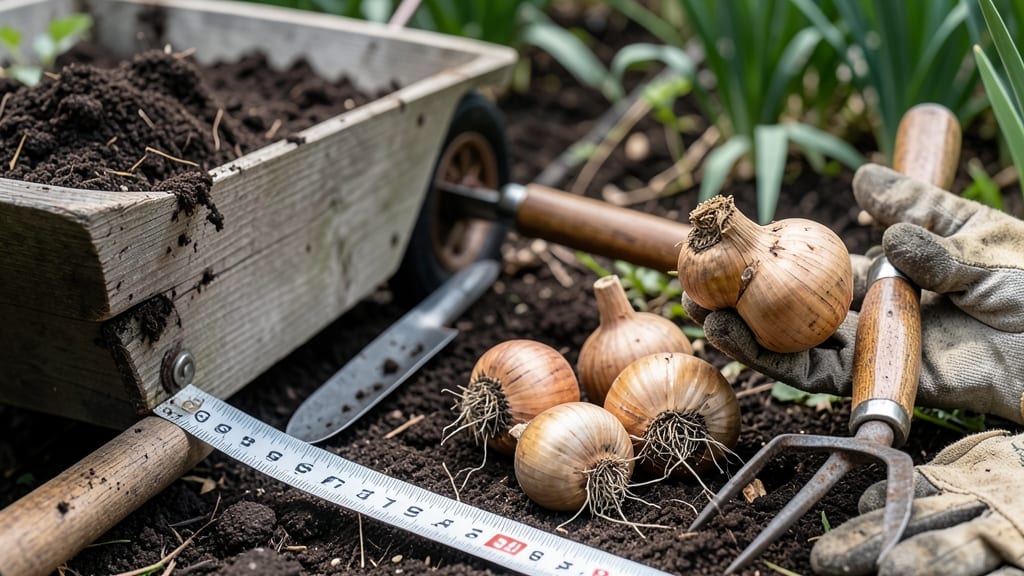
Planting daffodil bulbs at the wrong time in Indiana can mean the difference between a stunning spring display and wasted effort. The key is getting them in the ground 6 weeks before frost, typically between late October and early November, when soil temperatures drop but haven't frozen solid.
Why does timing matter so much? Daffodils need time to establish roots before winter sets in, but they also won't survive if planted too early in warm, wet soil.
I'll show you exactly how to read Indiana's fall weather patterns and adjust your planting schedule to avoid common mistakes that kill bulbs before they bloom.
From soil prep to spacing secrets, we'll cover everything you need to know for zero-frost success. Whether you're in northern Indiana's cooler Zone 5 or southern Indiana's slightly milder Zone 6a, these tips will help your 🌼 daffodils thrive year after year.
Ready to transform your garden? Let's dive into the exact steps that will give you vibrant daffodils emerging through last year's leaves by April—no guesswork required.
Indiana’s ideal daffodil bulb planting months by hardiness Zone
Indiana’s USDA hardiness zones 5-6 create a unique challenge for daffodil planting—too early, and bulbs rot in cold, wet soil; too late, and they won’t establish roots before winter.
The key? Planting when soil temps hit 50-60°F but before the first hard frost, which varies by zone. Let’s break down the exact windows for zero-frost success.
Northern Indiana (Zones 5a-5b) has the shortest window—just 4-6 weeks between soil readiness and frost. Southern Indiana (Zones 6a-6b) enjoys a slightly longer 6-8 week window, but don’t wait too long.
The goal is to give bulbs time to develop roots while avoiding winter’s freeze-thaw cycles that can heave them out of the ground.
Here’s the exact planting timeline by zone, including soil temperature thresholds and frost-free deadlines to ensure your daffodils bloom like clockwork next spring.
| Zone | Soil Temp Threshold | Ideal Planting Window | Frost-Free Deadline | Last Chance Month |
|---|---|---|---|---|
| 5a (Northwest IN) | 50-55°F | Mid-September to mid-October | October 15 | Early November |
| 5b (Northern IN) | 50-55°F | Late September to late October | October 22 | Mid-November |
| 6a (Central IN) | 55-60°F | Late September to November 1 | November 1 | Early December |
| 6b (Southern IN) | 55-60°F | October to November 15 | November 15 | Mid-December |
If you’re in Zone 5a, aim to plant by October 15—any later, and bulbs may not root deeply enough before winter. In Zone 6b, you have more flexibility until November 15, but don’t push it.
Soil temps below 50°F slow root growth, and bulbs planted too late risk rot or heaving during freeze-thaw cycles.
Pro tip: Check soil temps with a soil thermometer (or your finger—if it’s cold to the touch, wait a few days).
For southern Indiana, early November is ideal, but if your ground stays warm, you can plant as late as December 1—just cover bulbs with 4-6 inches of mulch to insulate them.
For northern Indiana, prioritize well-draining soil to prevent rot. Amend heavy clay with compost or sand to improve drainage. Plant bulbs 6 inches deep and 4-6 inches apart—this depth protects them from voles and temperature swings while allowing roots to spread.
One common mistake? Planting in September when soil is still warm. Daffodils need cool soil to trigger root growth. Wait until temps drop below 65°F—usually by mid-to-late September—before planting. This ensures bulbs focus on root development, not sprouting too early.
After planting, water deeply to settle soil around bulbs, then mulch with straw or shredded leaves to retain moisture and insulate roots. In Zone 5, a 4-inch mulch layer can add 2-4°F of protection during extreme cold snaps.
Remove mulch in early spring to allow soil to warm and promote blooming.
Remember: Daffodils planted in fall will reward you with spring blooms—but only if you nail the timing. Use this zone-specific guide to avoid the two biggest mistakes: planting too early (rot risk) or too late (no blooms).
With the right window, your daffodils will thrive for years with minimal care.
How to time your planting for Indiana’s unpredictable fall weather
Indiana’s fall weather can be as unpredictable as a chameleon’s colors—one week brings warm sunshine, the next delivers a surprise frost. To plant daffodil bulbs at the perfect moment, I’ve learned to watch three key signals: soil temperature, moisture levels, and frost forecasts.
Soil should be cool (below 60°F) but not frozen, and you’ll want at least 6 weeks before the first hard frost hits your area.
For most of Indiana, this means aiming for mid-October to early November. However, northern Indiana (like Zone 5 areas) may need to plant earlier—sometimes as early as late September—while southern Indiana (like Zone 6a) can wait until November.
Always check your local frost date to adjust accordingly.
Rain delays are another common challenge. If the ground stays soggy after planting, bulbs can rot before they establish roots. To avoid this, I test soil moisture with a simple finger check: if it feels damp but not waterlogged, it’s safe to plant.
If it’s bone-dry, water lightly before and after planting to help roots settle in.
Here’s my foolproof checklist to avoid the most common mistakes: skip planting if the soil is still warm, if frost is forecasted within 4 weeks, or if the ground is waterlogged. These pitfalls can turn your daffodil dreams into a 🌱 disappointment.
⚠️ Watch Out for These Planting Pitfalls
- Planting too early → Bulbs rot in warm, wet soil
- Planting too late → Roots don’t establish before frost
- Ignoring soil moisture → Waterlogged soil suffocates bulbs
- Skipping frost checks → Unexpected freezes kill emerging shoots
Pro tip: Use a soil thermometer to confirm temperatures are below 60°F before planting.
If you’re unsure about your local frost dates, I recommend using the National Weather Service’s frost calendar or checking with your local Cooperative Extension office. These resources provide hyper-local data that can save your bulbs from a 🌡️ freeze.
For example, Indianapolis typically sees its first frost around October 15, while Gary may wait until November 1.
Once you’ve nailed the timing, focus on planting depth and spacing. Daffodils need 6-8 inches of soil above their bulbs to protect them from freezing, and spacing them 4-6 inches apart gives them room to grow without crowding.
This small effort now means big rewards when those cheerful blooms pop up next spring.
Remember, daffodils are tough—they’ll bounce back from minor timing mistakes. But why take chances when you can follow these steps for guaranteed success? With the right timing and a little patience, your garden will be bursting with 🌼 color by April.