
Plants
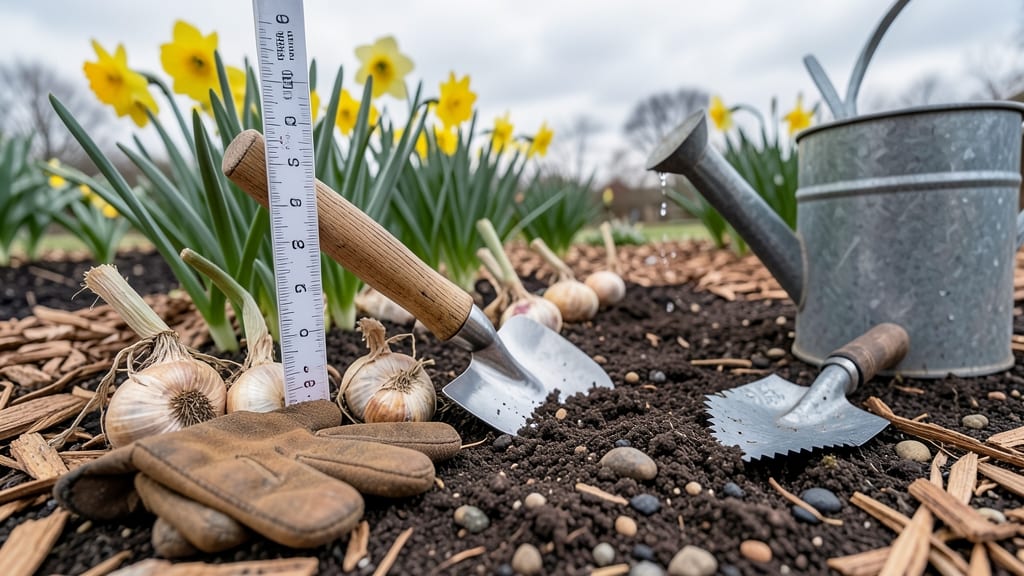
Planting daffodil bulbs in Arkansas isn't just about grabbing them at the store—it's about catching that perfect window when the soil is cool enough to protect the bulbs but warm enough to encourage strong roots before winter sets in.
Most gardeners in zones 7a-8b assume October is the only month, but the real secret lies in soil temperatures. Too early, and your bulbs might rot; too late, and frost gets the jump on them before they establish.
I'll show you exactly how to time it right for vibrant 🌼 blooms next spring.
We'll cover the ideal planting months based on Arkansas' climate, how to test soil temperature (yes, it matters more than calendar dates), and the best depth and soil prep to keep your daffodils thriving through winter.
Whether you're a first-time gardener or a seasoned pro, these tips will help you avoid common mistakes and get the most out of your fall planting. Let's get those bulbs in the ground the right way!
Arkansas daffodil planting timeline: soil temperature rules over calendar dates
Arkansas gardeners often rely on calendar dates to plant daffodils, but the real secret to success lies in soil temperature. Unlike air temperature, which can fluctuate wildly, soil temperature stays steady and determines whether your daffodil bulbs will thrive or rot.
In Arkansas, the magic number is 60°F—plant when the soil hits this mark, and you’ll set your bulbs up for vibrant spring blooms.
Why soil temperature? Cold soil slows root growth, while warm soil (above 60°F) encourages premature sprouting, leaving bulbs vulnerable to frost damage. Arkansas’ USDA zones 6a-8b mean northern areas (like Fayetteville) face earlier frosts than southern regions (like Little Rock), so timing varies.
Let’s break it down by zone and how to test soil temperature accurately.
🌼 Key Insight: Soil temperature is more critical than air temperature for daffodil planting. A 60°F soil threshold ensures roots establish before winter dormancy.
| Arkansas Zone | Soil Temp Threshold | Ideal Planting Window | Frost Risk |
|---|---|---|---|
| North Arkansas (6a-7a) | 60°F (late Oct-early Nov) | October 15–November 15 | High (first frost: Nov 15) |
| Central Arkansas (7b) | 60°F (early Nov) | November 1–November 30 | Moderate (first frost: Nov 20) |
| South Arkansas (8a-8b) | 60°F (late Nov-early Dec) | November 15–December 15 | Low (first frost: Dec 1) |
| Testing Tip: | Use a soil thermometer (4" deep) to check temps. Plant when soil is consistently 60°F for 3+ days. | ||
For northern Arkansas (zones 6a-7a), aim to plant 4-6 weeks before the first frost, typically between October 15 and November 15. This window ensures bulbs establish roots before winter sets in.
In central Arkansas (zone 7b), you have a slightly longer window—November 1 to November 30—thanks to milder winters. Southern Arkansas (zones 8a-8b) gardeners can plant as late as mid-December, but avoid waiting too long, as bulbs need time to root before spring growth.
Testing soil temperature is simple: use a soil thermometer inserted 4 inches deep (the depth daffodil bulbs are planted). Check temperatures in the morning or evening when soil is cooler. If the reading is below 60°F, wait a few days and test again.
Planting too early in cold soil can cause bulbs to rot, while waiting too long risks frost damage to emerging shoots.
Arkansas’ clay-heavy soils can retain cold longer than sandy soils, so adjust your timeline if your garden is heavy clay. Amend the soil with compost or sand to improve drainage and warmth retention.
In raised beds, soil warms up faster, giving you a 1-2 week earlier planting window compared to in-ground planting.
Pro tip: If you miss the ideal window, you can plant daffodils in early spring (February) as a last resort. However, bulbs planted this late may not bloom the first year, as they’ll need time to establish roots.
For best results, stick to the fall soil temperature rule and enjoy vibrant spring blooms year after year.
Remember, daffodils are hardy perennials, but their success hinges on proper planting timing. By focusing on soil temperature rather than calendar dates, you’ll give your Arkansas garden the best chance for stunning spring displays—without the guesswork.
🌱
Best months to plant daffodils in Arkansas: a Zone-by-Zone breakdown
Arkansas' USDA zones 6a-7b create a unique challenge for daffodil planting—our mild winters mean bulbs can rot if planted too early, but late planting risks frost damage before roots establish. The key is understanding your local frost dates and soil temperature triggers, not just following generic planting charts.
For Northern Arkansas (Zone 6a), where winters are cooler, the window is narrower—typically October 15 to November 15. In Southern Arkansas (Zone 7b), you’ve got more flexibility, often until mid-December, but only if soil temps stay above 60°F.
Let’s break down the best months for each zone and what to watch for.
- 1
- 2
- 3
- 4
Soil temps drop below 60°F by late October in most areas. Plant by October 31 in Zone 6a to ensure roots establish before frost. Southern zones can extend to November 10.
The sweet spot for Arkansas. Soil stays warm enough for root growth but cools before winter. Plant by November 15 in Zone 6a and up to November 30 in Zone 7b.
Only attempt in Zone 7b if soil temps remain above 55°F. Plant by December 15 at most. Bulbs planted later risk frost heave or rot.
Only for Zone 7b with mild winters. Plant by January 15 in well-draining soil. Expect smaller blooms or delayed flowering next spring.
If you’re in Zone 6a, prioritize planting by November 15—this gives bulbs 6-8 weeks to establish roots before winter. In Zone 7b, you’ve got a little more wiggle room, but don’t push it past mid-December unless you’ve tested soil temps.
A simple soil thermometer (just $10 at garden centers) can save you from costly mistakes.
One common mistake I see is planting daffodils in September. While soil is warm, it’s too early—bulbs need chilling to break dormancy. Planting in September can trigger premature sprouting, which weakens the bulb before winter. Wait until soil temps drop below 70°F (usually late September/early October) to avoid this.
For late winters, like the one we had in 2023, adjust your timeline. If ground stays unfrozen until January, hold off until soil temps drop to 55°F—even if it’s January 10. The goal is always 6-8 weeks of root growth before frost, not a calendar date.
Pro tip: If you miss the window, don’t despair! Daffodil bulbs can be planted in early spring (March), though they’ll bloom later. Just plant them shallower (4-6 inches) and keep soil moist until roots establish. It’s not ideal, but better than no daffodils at all!