
Plants
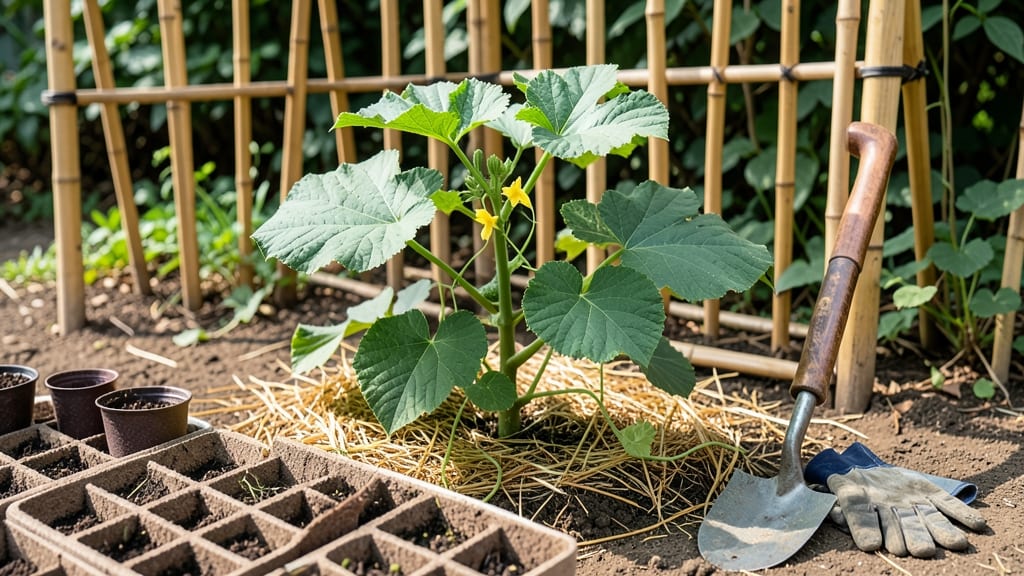
Planting cucumbers in Zone 6a at the wrong time means either frost-nipped seedlings or a harvest that arrives just as summer starts fading. The perfect window—when soil warms to 60°F and all frost risk has vanished—is your ticket to juicy, prolific vines all season.
I’ve learned the hard way that rushing cucumbers 🥒 into cold soil or waiting too long can turn a dream harvest into a disappointment. Whether you’re a first-time gardener or a seasoned pro, timing is everything for these heat-loving plants.
Let’s break down exactly when to plant for maximum success in your region.
Most Zone 6a gardeners should aim for late April to mid-May, but your exact timeline depends on local frost dates and soil conditions. I’ll show you how to check soil temperature, choose between starter plants or direct sowing, and even extend your growing season for late-summer cucumbers.
By the end, you’ll know not just when to plant, but how to set your cucumbers up for a bountiful harvest—without the guesswork. Ready to grow more than you’ve ever had before?
Zone 6A cucumber planting timeline: frost dates, soil temps, and last-freeze guides
Cucumbers thrive in Zone 6A, but timing your planting is critical—get it wrong, and you’ll miss the sweet spot between frost danger and summer’s peak heat. The key is understanding your last-frost dates, soil temperature thresholds, and regional variations that can shift your planting window by weeks.
Let’s break it down so you can plant with confidence.
Most of Zone 6A experiences its last spring frost between April 15 and May 1, but this varies dramatically. The Midwest (e.g., Indiana, Illinois) tends to warm up faster, while Appalachia (e.g., West Virginia, western Virginia) often lingers cooler.
Microclimates—like south-facing slopes or urban heat islands—can push your frost-free date 1-2 weeks earlier than official averages.
Your soil temperature is just as critical as air temperature. Cucumbers won’t germinate reliably until the soil reaches 55°F (13°C), but they grow best when it’s consistently 60°F (15°C) or warmer.
Use a soil thermometer to check depths of 2-4 inches—this is the sweet spot for seedling emergence and root development. In Zone 6A, this typically aligns with late April to early May, but cooler years may delay you until mid-May.
Here’s your Zone 6A cucumber planting timeline at a glance, tailored to regional differences and soil conditions:
| Region | Last Frost Avg. | Soil Temp Threshold | Ideal Planting Window | Microclimate Adjustment |
|---|---|---|---|---|
| Midwest (IN, IL, OH) | April 20–May 5 | 55°F+ (late April) | April 25–May 10 | Urban areas: 1 week earlier |
| Appalachia (WV, VA) | May 1–May 15 | 60°F+ (early May) | May 10–May 25 | Valleys: 1 week later |
| Great Lakes (MI, WI) | April 25–May 10 | 55°F+ (early May) | May 1–May 15 | Lakeside: 1 week earlier |
| Northeast (PA, NY) | May 1–May 15 | 60°F+ (mid-May) | May 15–May 30 | High elevations: 2 weeks later |
If you’re direct-sowing seeds, aim to plant when your soil hits 60°F (15°C) and all frost risk has passed. For transplanted seedlings, wait until May 15 or later in most of Zone 6A—young cucumber plants are frost-sensitive and won’t recover from temperatures below 50°F (10°C).
I’ve learned this the hard way: a late frost in early May can turn your tender seedlings into sad, mushy memories.
For gardeners in cooler microclimates (like shaded areas or high elevations), consider using black plastic mulch or row covers to warm the soil faster. These tricks can shave 1-2 weeks off your planting timeline by raising soil temperatures by 5-10°F.
Just remove covers once plants are established to avoid overheating.
Don’t forget: succession planting is your secret weapon for a longer harvest. After your first planting in late April/May, sow a second batch 4-6 weeks later to extend your cucumber season into early fall.
This works especially well for bush varieties like ‘Bush Champion’ or ‘Spacemaster,’ which mature faster and handle cooler soils better than vining types.
Pro tip: Track your local frost dates for the past 5 years—climate shifts mean averages can be misleading. Websites like the National Oceanic and Atmospheric Administration (NOAA) or your local cooperative extension service offer hyper-local data.
I’ve adjusted my planting by 2 weeks in recent years just based on these trends!
Finally, monitor your first-frost dates in fall—Zone 6A typically sees frost by October 15, but some years it lingers until November 1. If you’re growing late-season varieties like ‘Straight Eight’ or ‘Marketmore 76,’ plan to harvest before September 15 to avoid bitter, overripe fruit.
With the right timing, you’ll be feasting on fresh cucumbers from July through September—no greenhouse required!
Direct sowing vs. starter plants: which method maximizes your Zone 6A cucumber harvest?
Choosing between direct sowing and transplanting starter plants can make or break your cucumber harvest in Zone 6A. Both methods work, but timing and preparation differ significantly. I’ve tried both—here’s what I’ve learned to maximize your success.
Direct sowing means planting cucumber seeds directly into your garden after the last frost. This method is my go-to because it avoids transplant shock and encourages stronger root systems. However, it requires warmer soil temperatures (at least 60°F) and a longer growing season to compensate for slower early growth.
Transplanting starter plants, on the other hand, lets you get a head start indoors. You can set them out 2-3 weeks earlier than direct-sown seeds, which is a game-changer if your growing season is short.
But be warned—young cucumber seedlings are delicate and can struggle if transplanted too early or into cold soil.
Direct Sowing vs. Starter Plants
| Factor | Direct Sowing | Starter Plants |
|---|---|---|
| Best Time to Plant | After last frost, soil 60°F+ | 2-3 weeks earlier, after hardening off |
| Growth Speed | Slower early on | Faster harvest |
| Cost | Lower (no seedlings) | Higher (seedlings) |
| Best For | Longer seasons, warmer climates | Short seasons, earlier harvests |
For Zone 6A, I recommend direct sowing if your last frost date is early (around April 15) and you have a long, warm summer. If you’re in a cooler microclimate or want to harvest earlier, transplanting gives you that edge.
Just be sure to harden off seedlings for at least 7-10 days before setting them out.
Pro tip: If you choose to transplant, avoid overcrowding in your seedling trays. Cucumbers need space to thrive, so give them 1-2 inches apart in trays. Once in the garden, space them 12-24 inches apart depending on the variety.
No matter which method you choose, mulch heavily after planting to retain soil warmth and moisture—this is especially critical in Zone 6A where nights can still dip into the 40s°F even after the last frost.