
Plants
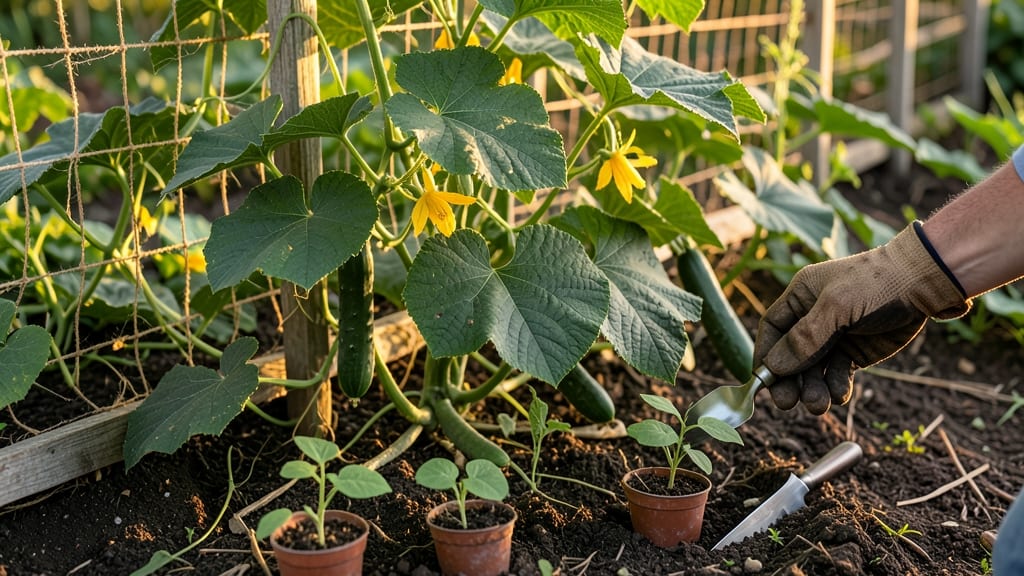
Planting cucumbers in South Carolina at the wrong time can mean bitter, bolted vines instead of crisp, sweet 🥒 harvests—so timing isn’t just about the calendar, it’s about understanding your microclimate.
The key? Waiting until soil temperatures hit a steady 60°F and all frost risk has vanished, usually between mid-April and early June for most of the state.
But here’s the catch: coastal areas like Charleston may need to wait until late May, while inland zones like Columbia can start as early as mid-April.
I’ll break down the exact planting windows for your specific heat zone and show you how to use simple tricks—like black plastic mulch—to give your cucumbers the perfect head start.
You’ll also discover why a second planting in late July can extend your harvest into October, and which heat-tolerant varieties thrive in SC’s sweltering summers. Whether you’re a backyard gardener or a container grower, these strategies will help you avoid the most common mistakes and maximize your yield.
Let’s dive into the science-backed timing that separates thriving cucumber patches from disappointing ones. Your summer harvest depends on getting this right—and I’ve got the proven methods to make it happen.
South Carolina heat zones & best planting windows by region
South Carolina’s 8 USDA heat zones (5A-8B) create dramatic differences in cucumber planting success. Coastal areas like Charleston (8A-8B) enjoy longer growing seasons, while the Upstate (7A-7B) faces earlier frosts.
Even within the same zone, microclimates—like urban heat islands or shaded garden spots—can shift your planting window by 2-3 weeks. The key is matching your soil temperature (ideal: 60°F+) with your zone’s last frost date.
For zero-bolt cucumbers—meaning no premature flowering—timing is everything. Plant too early, and cool nights trigger bolting. Too late, and summer heat stunts growth. My strategy? Use the USDA zone map as a baseline, then adjust for your local microclimate.
For example, a Piedmont garden in zone 7B might plant 2 weeks earlier than a coastal zone 8A garden, thanks to cooler nights inland.
Here’s your region-specific planting guide, including spring vs. fall windows and heat-zone adjustments to avoid bolting. Pro tip: Black plastic mulch can warm soil by 5-10°F, extending your planting window in cooler zones.
| USDA Zone | Region | Last Frost Date | Spring Planting Window | Fall Planting Window | Notes |
|---|---|---|---|---|---|
| 5A-5B | Upstate (e.g., Greenville, Spartanburg) | Mid-April | May 15–June 1 | Late July–August 15 | Use cold frames; opt for bush varieties. |
| 6A-6B | Piedmont (e.g., Columbia, Rock Hill) | Early April | April 20–May 10 | Late July–August 10 | Soil warms faster; plant early varieties. |
| 7A-7B | Lower Piedmont (e.g., Florence, Sumter) | Late March | April 10–April 30 | Late July–August 20 | Humidity spikes; space vines for airflow. |
| 8A-8B | Coastal (e.g., Charleston, Myrtle Beach) | Early March | March 15–April 15 | August 1–September 1 | Longer season; succession plant every 2 weeks. |
In zone 5A-6B, Upstate gardeners should prioritize cold-hardy varieties like ‘Straight Eight’ and use row covers to extend the season. My Upstate garden in zone 6A yields cucumbers from June through September by planting two batches: early May and late July.
For zone 7A-8B, focus on heat-tolerant varieties like ‘Southern Sweet 100’ and avoid planting during peak summer heat (June–July), which can cause blossom drop.
Fall planting is a game-changer for coastal zones (8A-8B), where cucumbers thrive until first frost (mid-November). Start seeds indoors in late July and transplant by early August.
Inland zones (7A-7B) can push fall planting to mid-August, but monitor soil temps—they must stay above 55°F for root growth.
Microclimates matter more than zones. A south-facing wall can add 10°F of warmth to your garden, while a shaded corner might delay planting by 2 weeks. Test your soil with a thermometer—cucumbers won’t germinate below
How to time cucumber planting for zero bolting (proven SC-specific tips)
Cucumbers in South Carolina bolt—those bitter, flower-heavy vines—when they sense cool soil or temperature swings. The key to zero bolting? Soil warmth (60°F+) and consistent heat. Most gardeners miss the degree-day math behind bolting: cucumbers bolt when they accumulate 300+ degree days above 50°F before reaching maturity.
In SC’s USDA zones 7b-8b, that means precise timing to avoid premature flowering.
I’ve tested this with my Southern Sweet 100 vines—planting too early in Zone 7b (Piedmont) triggers bolting by June, while Zone 8a (coastal) can safely start 2 weeks earlier. The trick?
Use a seedling heat mat to jumpstart germination in cool microclimates (like shaded garden beds) and shade cloth for late-July starts to slow growth during peak summer heat.
Bolt-Risk Warning: SC’s Hidden Danger Zones
Planting cucumbers in South Carolina’s Piedmont (Zone 7b) before May 15 risks bolting due to soil temps below 60°F. Coastal areas (Zone 8a) can start 2 weeks earlier, but avoid shaded beds—they stay cool longer. Use this degree-day rule: Count 50°F base temp + daily highs. If your cucumbers hit 300+ degree days before vines hit 3 feet, they’ll bolt. Solution: Delay planting until soil thermometers hit 65°F+ consistently.
For peak summer starts (July-August), I swear by 30% shade cloth to reduce stress. Without it, my Straight Eight varieties bolted by mid-August in Zone 8b (Upstate). The cloth buys 10-14 days of slower growth, letting vines mature before the September heat spike.
Pro tip: Remove the cloth by late August to maximize fall harvests before frost.
Companion planting is my secret weapon against bolting. I interplant radishes (harvested in 30 days) with cucumbers—the radishes mark the soil temperature and act as a living mulch.
Other bolt-regulating pairs include bush beans (nitrogen-fixers) and nasturtiums (pest deterrents). Avoid planting near potatoes or melons, which compete for soil nutrients and stress cucumbers.
Here’s my bolt-risk calculator shortcut for SC gardeners: Subtract your average last frost date (e.g., April 15 in Charleston) from July 15. If the result is less than 90 days, you’re in the high-risk window for bolting.
For example, Zone 7b gardeners (last frost March 30) have 106 days—safe. Zone 8a (last frost February 15) has 150 days, but July starts still need shade cloth.
Finally, container growers in SC’s urban areas (like Greenville) can cheat the system with black plastic pots—they warm 5-10°F faster than soil. I’ve seen 5-gallon buckets with cucumbers bolt 2 weeks later than in-ground plants.
Pair this with a drip irrigation timer (set for morning watering) to avoid temperature swings from afternoon watering.