
Plants
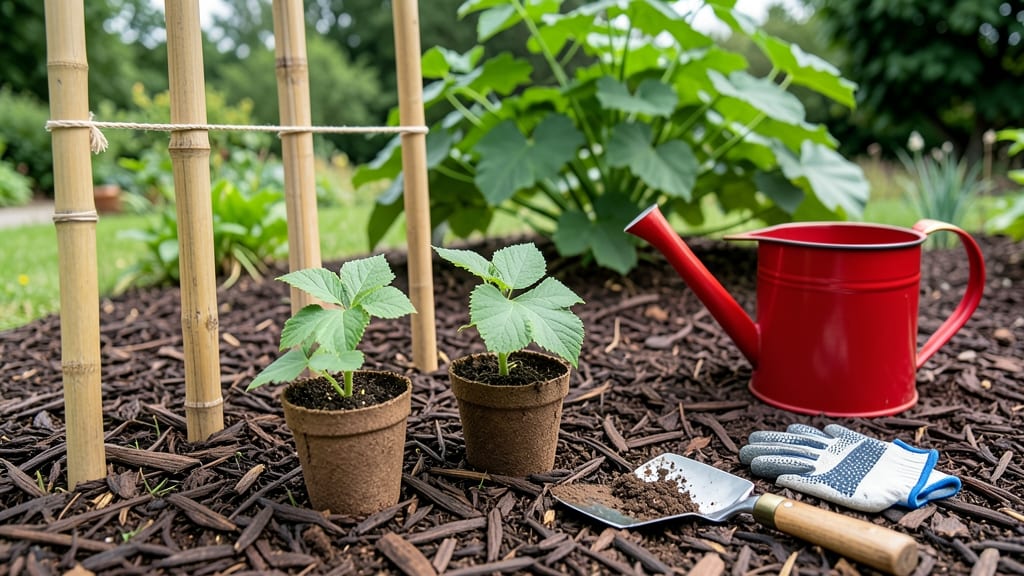
Planting cucumbers in San Diego might seem tricky with its unpredictable coastal breezes and sudden heat spikes—but getting the timing right means the difference between a garden full of bitter, bolted plants and a bountiful harvest of crisp, sweet 🥒 all season.
Unlike colder climates, San Diego’s frost-free year-round growing window lets you plant cucumbers almost anytime, but the key is avoiding those sweltering summer months when vines struggle to thrive.
I’ve learned the best planting windows to maximize yields, whether you’re growing in containers or in-ground, and how to keep your plants happy even when temperatures spike.
If you’ve ever watched your cucumber plants suddenly flower and fruit too early (a process called bolting), you know how frustrating it can be.
The solution lies in understanding soil temperatures, microclimates, and strategic planting schedules—all of which I’ll break down so you can enjoy fresh cucumbers from spring through fall without the guesswork.
Ready to grow cucumbers that actually produce? Let’s dive into the exact planting schedule for your San Diego microclimate, plus pro tips to keep your vines thriving no matter where you live in the county.
San Diego’s cucumber planting zones: coastal vs inland timing differences
San Diego’s microclimates create dramatic differences in cucumber planting success—coastal areas like La Jolla and Del Mar stay cooler and more humid, while inland spots like Escondido and Temecula bake under summer sun.
Even Oceanside, just 20 miles north, experiences warmer nights than downtown San Diego. These variations mean your planting window could shift by 4-6 weeks depending on location.
Unlike most of the U.S., San Diego has no frost risk, but soil temperature becomes the critical factor. Cucumbers need soil at 60°F+ to germinate properly—coastal areas hit this in late February, while inland regions may need to wait until mid-March.
Understanding these zones helps you avoid bolting (premature flowering) or stunted growth from cool soil.
Here’s how to match your location to the perfect planting window:
| Zone Type | Key Characteristics | Ideal Planting Window | Soil Temp Goal | Heat Risks |
|---|---|---|---|---|
| Coastal (La Jolla, Del Mar) | Cooler nights, high humidity, ocean breezes | Late February–early March | 60°F+ (earlier than inland) | Fungal diseases from damp air |
| Inland (Escondido, Temecula) | Hotter days, dry air, faster soil warming | Mid-March–early April | 65°F+ (warmer soil needed) | Bolting from heat stress |
| Desert-Adjacent (Oceanside) | Warmer nights, less humidity, faster drying | Late February–March | 62°F+ (transition zone) | Drought stress if not mulched |
For coastal gardeners, I recommend starting seeds indoors in January and transplanting by late February. The ocean breeze helps moderate temperatures, but you’ll need to watch for powdery mildew—a common fungal issue in damp coastal air.
Use resistant varieties like ‘Straight Eight’ or ‘Lemon Cucumber’ to reduce risks.
Inland areas should wait until soil temperatures consistently hit 65°F+, usually around mid-March. Here, the bigger threat is bolting—when cucumbers flower too early due to heat stress.
To prevent this, use black plastic mulch to warm soil faster and provide afternoon shade with 30% shade cloth during peak summer months.
Pro tip: Oceanside gardeners can plant 2 weeks earlier than downtown San Diego because its proximity to the desert creates a unique warm-night microclimate. Test your soil with a soil thermometer ($10 at garden centers) to confirm readiness—this small investment saves weeks of frustration.
If you’re unsure about your microclimate, check the UCCE San Diego Master Gardener maps or use the San Diego County Ag Commissioner’s frost-free date calculator. Both tools account for local variations and can help you pinpoint the perfect window for your specific neighborhood.
Remember: Succession planting is key in San Diego’s long growing season. Even if you plant at the ideal time, staggering 2-3 batches every 2 weeks ensures continuous harvests from March through October.
How to avoid bolting: soil temperature, mulching, and shade strategies for San Diego’s heat
San Diego’s summer heat can trick cucumbers into bolting—prematurely flowering and producing bitter fruit—before they’re ready. The key to preventing this is managing soil temperatures, using the right mulch types, and providing strategic shade cloth during peak heat.
Since cucumbers thrive when soil stays between 60-70°F, even a few degrees above that can trigger bolting.
Start by testing your soil temperature with a soil thermometer before planting. Coastal areas like La Jolla may stay cooler, while inland spots like Escondido can hit dangerous highs.
If temperatures exceed 75°F, delay planting until evening or use black plastic mulch to warm the soil faster in cooler months.
Here’s how to protect your plants from bolting using proven San Diego-specific strategies:
⚠️ Bolting Warning Signs & Fixes
Signs: Yellow leaves, rapid vine growth, tiny flowers before 6" cucumbers.
Fix: Move plants to partial shade (30-50% shade cloth) immediately and increase watering frequency to every 1-2 days.
For mulching, opt for straw or wood chips to insulate roots and retain moisture. Avoid dark mulches like black plastic in summer—they can overheat soil.
Pair mulch with a drip irrigation system set to water deeply in the early morning to avoid wetting foliage, which promotes fungal diseases like powdery mildew.
If you’re planting in June or July, use 30-50% shade cloth during the hottest hours (11 AM–3 PM). Remove it by late afternoon to allow light for photosynthesis. Bush varieties like ‘Bush Champion’ handle heat better than vining types, making them ideal for inland San Diego gardens.
Finally, choose heat-tolerant varieties like ‘Straight Eight’ or ‘Marketmore 76’, which are bred to resist bolting. Pair them with trellising to elevate vines off hot soil and improve airflow. With these strategies, you’ll extend your harvest window from spring to fall while keeping cucumbers sweet and crisp.