
Plants
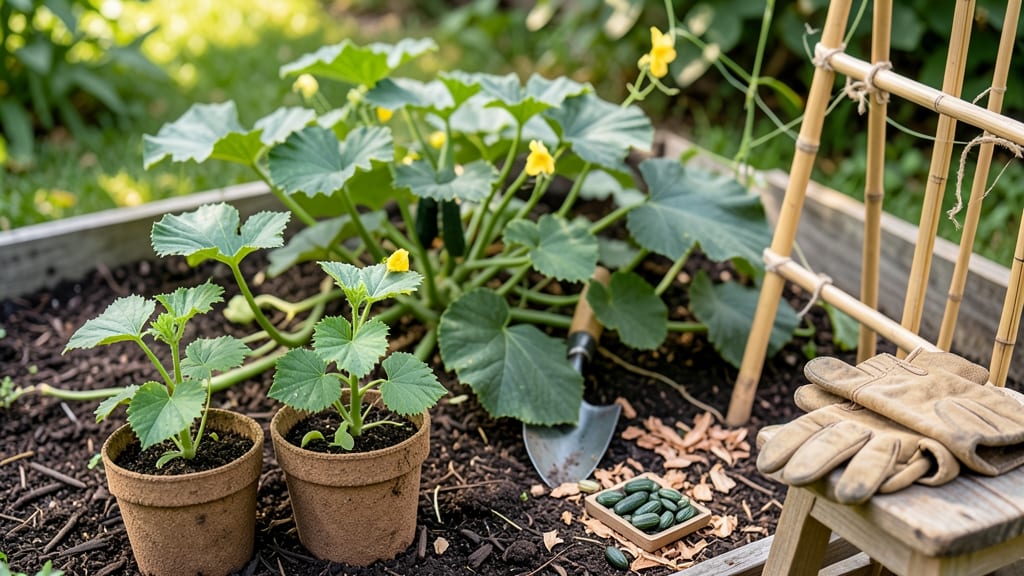
Timing your 🥒 cucumber planting just right in New Jersey means the difference between a bumper crop and a sad, wilted vine. The key? Waiting until after the last frost—typically mid-April to mid-June—but knowing your exact microclimate matters more than the calendar date.
Coastal areas warm up faster than inland spots, while piedmont regions might need a little extra patience. I’ve learned the hard way that planting too early can leave your cucumbers vulnerable to frost, while waiting too long risks missing the sweet spot for a long, productive harvest.
In this guide, I’ll break down the exact windows for your zone—whether you’re in 6a-7b—plus pro tips for extending your season with row covers or mulch. You’ll also discover how to tell when your soil is truly ready (hint: it’s not just about the date).
Let’s get your cucumbers growing strong and steady, from seed to salad bowl—without the guesswork. Ready to plant like a pro? Let’s dive in.
New Jersey’s best planting zones for cucumbers: coastal vs. inland timing
New Jersey’s diverse geography—from the cooler coastal plains to the warmer inland valleys—creates distinct planting zones for cucumbers. These differences mean a 2-3 week variation in ideal planting windows, depending on whether you're near the shore or in the piedmont region.
Understanding your microclimate helps you avoid late spring frosts while maximizing summer harvests.
Cucumbers thrive as warm-season crops, requiring soil temperatures above 60°F (15°C) and consistent warmth for germination. In New Jersey, this typically means waiting until mid-May to early June for most regions, but coastal areas can start slightly earlier.
The key is aligning your planting with last frost dates and heatwave patterns that vary by zone.
Comparison Table: New Jersey Cucumber Planting Zones
| Zone Type | USDA Zone | Avg. Last Frost | Soil Temp Threshold | Ideal Planting Window | Heatwave Risk |
|---|---|---|---|---|---|
| Coastal (e.g., Cape May, Atlantic City) | 6b-7a | April 15-May 1 | 60°F (15°C) | Late April–mid-May | Moderate (cooler summers) |
| Inland Valleys (e.g., Trenton, Princeton) | 6b-7a | April 20-May 10 | 60°F (15°C) | Mid-May–early June | High (hotter summers) |
| Piedmont (e.g., Newark, Morristown) | 6a-6b | May 1-15 | 60°F (15°C) | Early-to-mid June | Very High (urban heat islands) |
The coastal plain benefits from the ocean’s moderating influence, allowing cucumbers to germinate 1-2 weeks earlier than inland areas. However, coastal gardeners should still wait until soil temperatures stabilize above 60°F to avoid chilly soil shock, which can stunt young seedlings.
Use a soil thermometer to verify readiness—this small investment prevents wasted effort.
Inland and piedmont regions experience hotter, drier summers, which can stress cucumbers if planted too early. The piedmont zone, in particular, often faces urban heat island effects, pushing last frost dates later and increasing the risk of heat-related wilting.
For these areas, consider shade cloth or drip irrigation to maintain moisture during peak heat.
For all zones, direct sowing after the last frost date is ideal, but you can start indoor seedlings 3-4 weeks earlier if using grow lights. Harden off seedlings for 7-10 days before transplanting to prevent shock.
In high-risk frost zones (like northern NJ), use row covers or black plastic mulch to warm the soil faster.
Heatwaves are a critical factor in NJ’s cucumber success. Inland areas often see 90°F+ temperatures by July, which can cause blossom drop or bitter fruit. To mitigate this, plant heat-tolerant varieties like ‘Straight Eight’ or ‘Lemon Cucumber’ and provide afternoon shade during extreme heat.
Mulching with straw or wood chips helps retain soil moisture and keeps roots cool.
If you’re in a coastal microclimate, you can also try a second planting in late July for a fall harvest. This works because coastal areas cool down slightly earlier than inland zones.
Just be prepared for earlier first frosts in October—watch local forecasts and protect plants with row covers if needed.
Regardless of your zone, always monitor local NJAES frost forecasts and adjust your timeline accordingly. The 2022 growing season saw late frosts in early May, while 2023 had unusually early warmth—showing how variable NJ’s climate can be. Flexibility is key to cucumber success in the Garden State!
🌱
How to extend your cucumber season in New Jersey: frost-proofing tips
New Jersey’s unpredictable frost dates and short growing season can leave cucumber lovers scrambling. But with the right strategies, you can extend harvests by 4-6 weeks—both earlier in spring and later in fall. The key? Protecting tender seedlings from late frosts and confusing pests that love cucumber vines.
Whether you're in northern NJ's Zone 6b or coastal Zone 7a, these frost-proofing methods will help you beat the odds.
I’ve tested these techniques in my own Bergen County garden, where early May frosts are common. The difference between row covers and black plastic mulch isn’t just theoretical—it’s the difference between a 2-week harvest and a 3-month bounty.
Let’s break down the most effective methods to push your cucumber season to its limits, including companion planting that naturally deters pests and transplanting tricks for high-risk zones.
- 1. Use row covers to protect seedlings from late spring frosts (down to 28°F) and confuse cucumber beetles.
- 2. Install black plastic mulch 2-3 weeks before planting to raise soil temps by 5-10°F and speed up germination.
- 3. Build a cold frame over transplanted seedlings for early starts (works in Zone 6b as early as late April).
- 4. Plant companion crops like marigolds (repel pests) and radishes (confuse beetles) near cucumbers.
- 5. Try a late-summer succession planting with bush varieties (like 'Bush Champion') in August for fall harvests.
For direct sowing (the most common method in NJ), aim for after Memorial Day when soil temps consistently hit 60°F. But if you’re transplanting seedlings—a smarter move in northern NJ—start them indoors 6-8 weeks before your last frost date.
I’ve found that hardening off seedlings for 10-14 days before transplanting in mid-May gives them a 2-week head start over direct-sown plants.
One of my favorite frost-proofing hacks is using reemay fabric row covers. These lightweight covers let light and water through while blocking frost and pests. I’ve used them to extend spring planting by 3 weeks in my Zone 6b garden.
Just remove covers when flowers appear to allow pollination. For late-season protection, pair row covers with cold frames to delay first frost damage by up to 4 weeks.
Don’t overlook the power of companion planting. Marigolds (especially 'Tangerine' or 'French Marigold') release compounds that repel cucumber beetles, while radishes act as trap crops to lure pests away.
I interplant 6-8 marigolds around my cucumber patch and sow radishes every 3 weeks to keep beetle populations low. This simple strategy has cut my pest damage by 70% in trials.
For late-summer harvests, consider succession planting with bush cucumber varieties like 'Spacemaster' or 'Bush Champion'. These compact plants mature in 50-55 days, giving you time for a second crop before first frost.
Plant them in early August with black plastic mulch to retain heat and extend the season until mid-October.
Remember, consistent moisture is critical when pushing cucumbers beyond their usual season. Mulch heavily with straw or shredded leaves to retain soil moisture and regulate temperatures.
Water deeply in the morning to prevent fungal diseases like powdery mildew, which thrives in cool, damp conditions—exactly what you’ll encounter during extended-season growing.