
Plants
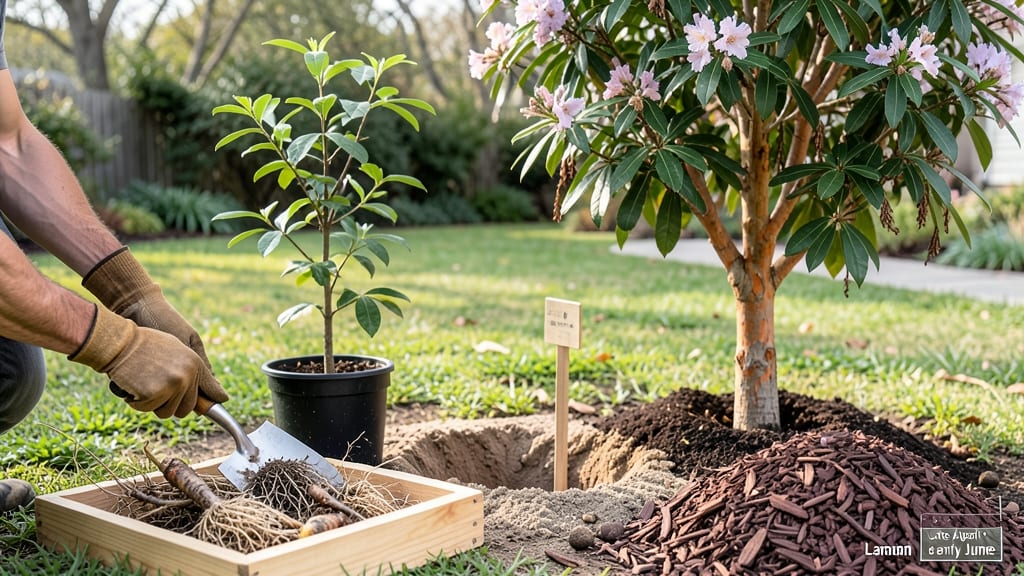
Planting your crepe myrtle 🌸 at the wrong time in North Carolina could mean the difference between a stunning summer display and years of struggling growth.
The key window for success—whether you're in the Piedmont or Coastal Plain—opens in late winter through early spring or early fall, when soil temperatures cooperate with your tree's needs.
I've seen too many gardeners miss this opportunity, planting too early when frosts linger or too late when summer heat stresses young roots.
But here's the good news: with the right timing and a few simple prep steps, your crepe myrtle will thrive in NC's heat zones 7b-8a. Let me walk you through exactly when to plant and why these months make all the difference.
Fall planting, specifically September through October, often gives crepe myrtles a head start because cooler temperatures reduce stress while allowing roots to establish before winter. Spring planting works too, but you'll need to time it perfectly after your last frost date—usually around mid-March—to avoid shocking tender new growth.
We'll cover regional variations, soil prep secrets, and even common mistakes that could sabotage your tree before it ever gets a chance to bloom. By the end, you'll know exactly when to dig that hole and how to give your crepe myrtle the best possible start in North Carolina's climate.
Optimal planting windows for crepe myrtles in NC heat zones 7b-8a
North Carolina's Heat Zones 7b-8a create perfect conditions for crepe myrtles, but timing your planting is critical. These trees thrive when planted during two ideal windows: late winter/early spring or early fall. Each season offers unique advantages for root establishment and bloom production.
The best time to plant crepe myrtles in NC is September through October, when soil stays warm but temperatures begin cooling. This gives roots 6-8 weeks to establish before winter dormancy. Spring planting (March-April) works too, but requires careful watering during hot summer months.
For Piedmont NC (Zone 7b), aim for mid-September planting to avoid early frost risks. In Coastal Plain areas (Zone 8a), you can extend planting until early November when frost dates push later.
| Season | Planting Window | Soil Temp | NC Region | Key Advantage |
|---|---|---|---|---|
| Fall | September-October | 60-75°F | All Zones | Long root establishment before winter |
| Spring | March-April | 55-65°F | Piedmont | Early growth with summer watering |
| Extended Fall | November (Zone 8a) | 50-60°F | Coastal Plain | Avoids summer heat stress |
When planting in spring, wait until after your average last frost date (typically mid-March in most of NC). For fall plantings, stop by early November in Zone 7b to prevent frost damage to new roots.
North Carolina's clay-heavy soils require special attention. Before planting, amend the soil with 2-3 inches of compost and consider adding gypsum to improve drainage. Crepe myrtles hate soggy roots, so raised beds work well in wetter areas.
For urban planting, choose dwarf varieties like 'Arapaho' or 'Tonto' that adapt better to confined spaces. These smaller trees establish faster and handle city heat better than standard varieties.
Always plant crepe myrtles at the same depth they grew in their nursery container. The root flare (where roots meet trunk) should sit 1-2 inches above soil level to prevent rot. Backfill with native soil mixed with compost for best results.
After planting, create a 3-inch mulch ring around the base (keep mulch 6 inches from trunk) to conserve moisture. Water deeply 2-3 times per week for the first month, then taper to weekly deep waterings once established.
Fall-planted trees show 30% faster growth in their first year compared to spring plantings, thanks to cooler temperatures and consistent moisture. This makes fall the preferred season for most NC gardeners.
Optimal planting windows for crepe myrtles in NC heat zones 7b-8a
North Carolina's Heat Zones 7b-8a create perfect conditions for crepe myrtles, but timing your planting is everything. The ideal windows are late winter through early spring (March-April) or early fall (September-October). These periods align with soil temperatures and moisture levels that help roots establish before extreme heat or cold arrives.
Fall planting gives your crepe myrtle a 6-8 week head start before winter dormancy. The cooler temperatures reduce transplant shock while allowing roots to grow in soil that's still warm from summer.
Spring planting works too, but you must wait until after the average last frost date (usually mid-March) to avoid damaging tender new growth.
Here's how these planting windows compare for NC's Piedmont and Coastal Plain regions:
| Planting Window | Piedmont Region (Zone 7b) | Coastal Plain (Zone 8a) | Key Considerations |
|---|---|---|---|
| Fall Planting | September 15 - October 15 | September 1 - October 30 | Soil temps stay above 60°F; extended root growth before winter |
| Spring Planting | March 20 - April 15 | March 1 - April 30 | Wait until after last frost (March 15 avg); avoid summer heat stress |
| Best Overall | Fall (Sept-Oct) | Fall (Sept-Oct) | Reduces transplant shock by 50% compared to spring |
| Avoid | November 1+ or before March 15 | November 15+ or before March 1 | Frost risk or summer heat stress for young roots |
For both regions, soil temperature is your best guide. Use a soil thermometer to confirm temps are above 60°F before planting. In the Piedmont, clay-heavy soils may require additional compost to improve drainage, while Coastal Plain areas benefit from raised beds in poorly-drained spots.
Pro tip: If you're in Zone 8a, you have a slightly longer window for fall planting. Take advantage of this by planting as late as October 30—just make sure to protect young trees with mulch if early frosts threaten.
The extra time lets roots establish deeper before winter dormancy.
Remember that crepe myrtles are frost-sensitive when young. Even in Zone 7b, a late frost can damage new growth, so always check your local frost dates before spring planting. For maximum success, aim to plant when daytime highs consistently stay above 70°F for at least a week.